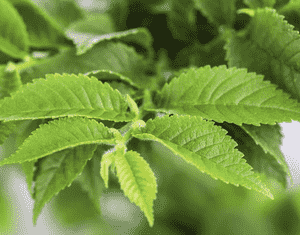
Ulmus × hollandica (Ulmus × hollandica)
Also known as: Dutch elm,Wilt-elm, Holland elm
The Ulmus × hollandica Mill., often referred to just as the Dutch elm, is a naturally occurring hybrid of U. glabra (Wych Elm) and Ulmus minor (Field Elm). It is commonly found throughout Europe wherever the habitats of both parent plants overlap. R.H. Richens' field studies in England have reported the largest hybridization area to be a belt stretching from the border of Hertfordshire across Essex to Southern Suffolk. This is followed closely by northern Bedfordshire and adjacent areas in Northamptonshire, and similar zones are found in Picardy and Cotentin in northern France. Crossbreeding between U. × hollandica and any of the parent species are still labeled as U. × hollandica. Both natural and artificially cultivated hybrids of Ulmus × hollandica have found popularity and are widely grown across different regions. The term 'hollandica' as a botanical name for a variety of elm was first implemented by Plukenet in 1697, who used it to describe a cultivar from this group that is now known as 'Major'.
Attributes of Ulmus × hollandica
Images of Ulmus × hollandica
 How to Water Ulmus × hollandica?
  What Are the Sunlight Requirements for Ulmus × hollandica?
  What Is the Ideal Temperature Range for Ulmus × hollandica?
  What Soil is Best for Ulmus × hollandica?
  How to Fertilize Ulmus × hollandica?
  How to Prune Ulmus × hollandica?
  How to Propagate Ulmus × hollandica plant?
 How to Repot Ulmus × hollandica plant?

