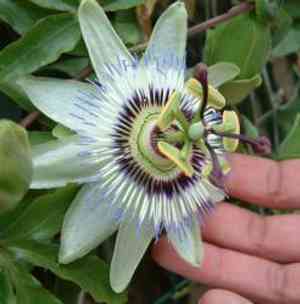
Turnera (Turnera)(Turnera)

Turnera (Turnera) (Turnera)

Also known as: Damiana

The genus *Passiflora*, which encompasses vines and shrubs related to purple and yellow passionfruit, derives its name from the Latin words "passio" (passion) and "flos" (flower). This name was given by Spanish missionaries who saw the plant's intricate flower structure as a representation of the Passion of Christ.

Some species within this genus are cultivated for their edible fruit, known as passionfruit, which is enjoyed fresh or in a variety of culinary applications such as juices and desserts. Additionally, passionflower plants are valued for their ornamental beauty and are often grown in gardens. Beyond their aesthetic appeal, certain species are also utilized in traditional medicine for their calming properties, making them popular in herbal teas and supplements aimed at alleviating anxiety and insomnia.

Attributes of Turnera (Turnera)

Lifespan
Perennial
Plant Height
20-60 cm
Spread
20-50 cm
Leaf Color
Green
Flower Size
2-3 cm
Flower Color
Bright Yellow

ForwardPlant - Identify plants with a snap

Identify and diagnose plants, get toxicity alerts, and explore safety guides for all types of fungi.

Try for Free

Images of Turnera (Turnera)

Turnera (Turnera)(Turnera)

Quickly Identify Turnera (Turnera)

1
Turnera can be identified by its small size, bright yellow flowers, and alternate, serrated leaves. The flowers have five petals and are usually around 2-3 cm in diameter. The leaves are green and have a distinct odor when crushed.

Scientific Classification of Turnera (Turnera)

Phylum
Magnoliophyta
Class
Magnoliopsida
Order
Malpighiales
Family
Passifloraceae
Genus
Turnera

Planting and Growing of Turnera (Turnera)

Care Difficulty
Moderate
Watering Schedule
Every 3 days
Sunlight Requirements
Full sun
Sunshine Duration
6-10 hours
Ideal Temperature
65-75℉
Soil Type
Potting Mix, Peat Mix
Soil pH
6.5-7.5
Fertilizer Type
Balanced
Pruning Season
Spring, Summer
Pruning Area
Branches, Leaves
Pruning Frequency
2 times a year
Repotting Season
Spring
Pot Type
Terracotta, Plastic

water icon How to Water Turnera (Turnera)?

Water Turnera plants with approximately 250 milliliters per session. The key is to ensure the soil is moist without becoming waterlogged. Avoid letting the soil dry out completely between waterings, as this plant thrives in consistently moist yet well-drained soil conditions.
What are the symptoms of an underwatered Turnera (Turnera)? ›
What should I do if my Turnera (Turnera) is not getting enough water? ›
What are the symptoms of an overwatered Turnera (Turnera)? ›
How to save an overwatered Turnera (Turnera)? ›

sunlight icon What Are the Sunlight Requirements for Turnera (Turnera)?

Sunlight Requirements: Full sun, Partial sun
Duration of light: 4 to 6 hours daily
Partial to full sun is ideal, providing Turnera with ample energy to fuel its vibrant blooms and maintain optimal growth rates necessary for overall health.
How to Achieve Ideal Lighting for Turnera? ›
Solutions to Maintain Optimum Lighting? ›
Benefits of Ideal Lighting? ›

temperature icon What Is the Ideal Temperature Range for Turnera (Turnera)?

Ideal Temperature: 65 ~ 75℉
The ideal temperature range for Turnera, between 65°F and 75°F, supports optimal metabolic processes including photosynthesis and respiration. Within this range, the plant's physiological activities occur efficiently, promoting robust growth and vibrant blooming. Deviations from this temperature range can hinder these functions, leading to stress and reduced vigor.

soil icon What Soil is Best for Turnera (Turnera)?

Soil type: Loam, Sandy loam
Soil PH: 6.5 ~ 7.5
Turnera thrives in nutrient-rich soil, which provides essential minerals for optimal growth. This boosts the plant's vitality, ensuring vibrant foliage and robust flowering cycles. Well-draining soil is crucial for Turnera to avoid waterlogging, which can cause root rot. Proper drainage keeps roots healthy and promotes vigorous growth. An aerated soil structure allows adequate oxygen to reach plant roots, enhancing Turnera's overall growth and vigor. This condition encourages strong root development and prolonged plant health.

fertilize icon How to Fertilize Turnera (Turnera)?

Fertilizer type: Balanced
For Turnera, apply liquid fertilizer at half-strength to minimize the risk of over-fertilization. Use approximately 1/4 teaspoon per gallon of water for young plants and half a teaspoon for mature ones. Ensure even distribution to promote healthy growth.

prune icon How to Prune Turnera (Turnera)?

Pruning Time: Spring, Summer
Begin by thoroughly examining the plant to identify which branches need removal. Look for dead, diseased, or crossing branches that could hinder growth or cause disease. Utilize sharp, disinfected pruning shears to make clean cuts. Remove dead or diseased wood from the base, cutting at an angle to prevent water accumulation. To promote a fuller plant, trim branches that extend beyond the desired shape. This helps in producing side shoots, leading to a bushier appearance. Regularly remove spent flowers after blooming. This process, known as deadheading, diverts energy from seed production to encouraging more blooms.

propagate icon How to Propagate Turnera (Turnera) plant?

Propagate Time: Spring, Early summer
1
Begin by filling seed trays with a seed-starting mix, ensuring it's moist but not waterlogged. Sow the Turnera seeds on the surface and lightly cover with soil, then place in a warm, bright area to facilitate germination.
2
Select healthy stems from the parent plant. Using pruning shears, cut at a 45-degree angle below a node. Remove lower leaves and dip the cut end in rooting hormone to enhance root development.
3
Insert the cut end of the cutting into a pot filled with a well-draining potting mix. Water thoroughly and cover with a plastic bag to create a humid environment, facilitating root growth.

repot icon How to Repot Turnera (Turnera) plant?

Repotting frequency: Every 1-2 years
1
The ideal time to repot Turnera is when you notice it becoming root-bound, visible roots emerging from the drainage holes, or a decline in its growth rate. Typically, this occurs in spring or summer, coinciding with its active growing season.
2
Choose a pot that is one size larger than the current one. Ensure it has drainage holes to prevent waterlogging, which can harm the roots. A correct pot size allows for adequate growth space and reduces the risk of root rot.
3
Opt for a well-draining potting mix designed for flowering plants. Such soil prevents water from stagnating around the roots, minimizing the risk of root diseases, and supports the plant's growth by retaining necessary nutrients and moisture.

ForwardPlant - Identify plants with a snap

Find the best spots for them to optimize their health, simply using your phone.

Try for Free
