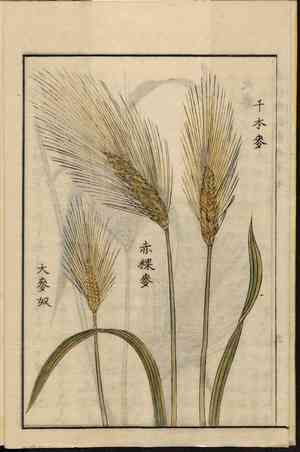
Einkorn (Triticum monococcum)
Also known as: Wild einkorn, One-grained wheat
Einkorn wheat ranks among the earliest domesticated crops. Clear evidence of its domestication dates back to approximately 10,600 to 9,900 years ago (8650 BCE to 7950 BCE) from Early Pre-Pottery Neolithic B sites such as Çayönü and Cafer Höyük in southern Turkey. Additionally, einkorn remnants were discovered with the iceman mummy Ötzi, dating to around 3100 BCE.
In This Article
Attributes of Einkorn
Lifespan
Annual
Plant Type
Grass
Plant Height
40-100 cm
Spread
Not applicable for grain plants
Leaf Color
Green
Flower Size
Not applicable for grain plants
Flower Color
Yellowish-green (as part of the spikelet)
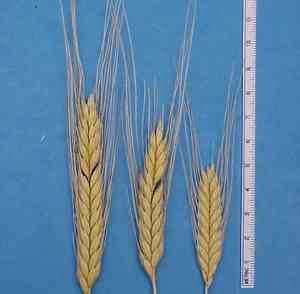
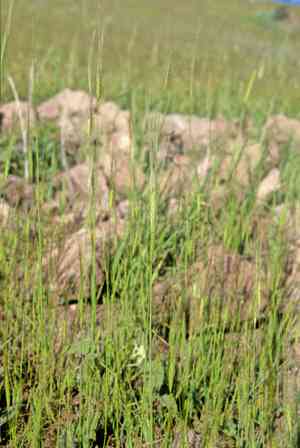
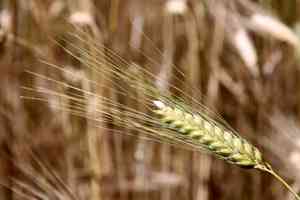
Images of Einkorn
Quickly Identify Einkorn
1
Identification can be done by recognizing its slender, long stems and small, single-grained spikelets. The grains have a tough husk that is difficult to remove compared to modern wheat.
Scientific Classification of Einkorn
Phylum
Vascular plants
Class
Monocotyledons
Order
Poales
Family
Grass
Genus
Wheats
Species
Einkorn
Planting and Growing of Einkorn
Care Difficulty
Moderate
Watering Schedule
Every 3 days
Sunlight Requirements
Full sun
Sunshine Duration
6-12 hours
Ideal Temperature
60-70℉
Soil Type
Potting Mix, Peat Mix
Soil pH
6.5-7.5
Fertilizer Type
Balanced
Pruning Season
Spring, Summer
Pruning Area
Branches, Leaves
Pruning Frequency
2 times a year
Repotting Season
Spring
Pot Type
Plastic, Ceramic
 How to Water Einkorn?
For Triticum monococcum, also known as einkorn wheat, watering should aim to saturate the root zone without causing waterlogging. Ensure even distribution of 1000 ml of water, allowing the soil to be moist but not soggy, to facilitate healthy root growth.
What are the symptoms of an underwatered Einkorn?
›
What should I do if my Einkorn is not getting enough water?
›
What are the symptoms of an overwatered Einkorn?
›
How to save an overwatered Einkorn?
›
 What Are the Sunlight Requirements for Einkorn?
Given Triticum monococcum's preference for full sun, it requires ideally at least six hours of sunlight daily. This exposure not only aids in photosynthesis but also ensures healthy growth and resistance to environmental stressors.
What is the ideal light condition for Triticum monococcum?
›
How can we achieve ideal lighting conditions?
›
What are the benefits of ideal lighting for Triticum monococcum?
›
 What Is the Ideal Temperature Range for Einkorn?
The ideal temperature range for growing Triticum monococcum is between 60°F and 70°F. This range ensures that the plant can perform its physiological processes optimally, resulting in healthy growth and development. Growing within this temperature range aids in proper germination and increases crop yield.
 What Soil is Best for Einkorn?
Ensuring that the soil is well-drained is crucial for Triticum monococcum, as it prevents waterlogging. Good soil drainage promotes robust root development and supports healthy plant growth by ensuring adequate oxygen reaches the roots. Triticum monococcum thrives in soils that are rich in nutrients, which are essential for supporting its growth and yielding nutritious grains. Supplementing the soil with organic matter can enhance fertility, promoting better crop production. Soils that retain moisture yet prevent excess water accumulation are ideal. This balance helps maintain necessary hydration levels for the plant, especially during dry spells, while preventing root rot from excess moisture.
 How to Fertilize Einkorn?
For Triticum monococcum, appropriate fertilization is essential to support its growth and yield. Typically, use about 50 to 100 kilograms of nitrogen per hectare as a rule of thumb, depending on soil fertility tests. Phosphorus and potassium should be adjusted based on specific soil needs, usually ranging from 30 to 60 kilograms per hectare.
 How to Prune Einkorn?
Always ensure your pruning tools are clean and sharp before beginning the process. This prevents unnecessary damage to the plant and reduces the risk of disease transmission. Disinfect tools before and after use, especially when moving between different plants. Consider using bypass pruners for cleaner cuts on Triticum monococcum, as anvil options can crush stems instead of cutting cleanly. After pruning, make sure to collect and dispose of all plant debris properly. This reduces the risk of fostering fungus or pest habitats that could compromise your Triticum monococcum in subsequent growth cycles. Composting healthy debris is an option, but infected material should be discarded securely.
 How to Propagate Einkorn plant?
1
Select healthy seeds for sowing. Inspect the seeds for any signs of damage or disease to ensure only viable seeds are planted, which increases the chances of successful germination.
2
Evenly distribute the seeds on the seed tray filled with potting mix. Gently press the seeds into the soil but do not bury them too deeply, as sufficient light exposure is crucial for germination.
3
Provide consistent moisture by lightly watering the trays. Avoid overwatering, as it can lead to fungal diseases, while too little water can hinder germination.
 How to Repot Einkorn plant?
1
Repotting Triticum monococcum is best done when the plant shows signs of outgrowing its current pot. Look for roots growing out of drainage holes or stunted growth despite adequate care. Spring and Autumn are optimal times, capitalizing on moderate weather to reduce transplant shock.
2
Select a pot that is about 20% larger than the current one to give Triticum monococcum room to grow. Ensure it offers good drainage through holes at the bottom. A ceramic or clay pot is ideal as it allows better aeration, which is crucial for the roots' health.
3
Opt for loamy, well-drained soil to avoid waterlogging, which Triticum monococcum cannot tolerate. The soil should retain moisture but also allow excess water to escape. This encourages robust root development and prevents root rot issues.



