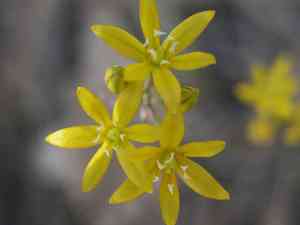
Oak creek triteleia (Triteleia lemmoniae)
Also known as: Lemmon's star
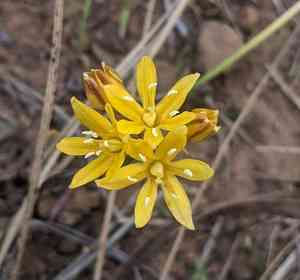
The Oak Creek triteleia (Triteleia lemmoniae) honors Sara Plummer Lemmon, a notable American botanist active in Arizona. Currently part of the asparagus family, it was previously categorized as a lily. This plant, with its striking yellow flowers, thrives in pine forests and mountainous regions, typically blooming in late spring or summer.
In This Article
Attributes of Oak creek triteleia
Lifespan
Perennial
Plant Type
Herb
Plant Height
30-50 cm
Spread
10-20 cm (spread of foliage at the base)
Leaf Color
Green
Flower Size
2-4 cm
Flower Color
Bluish-violet, sometimes white
Images of Oak creek triteleia
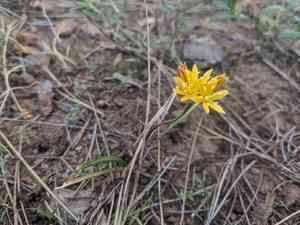
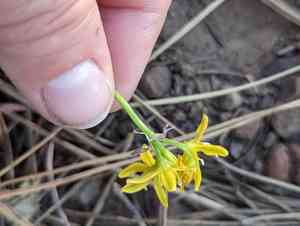
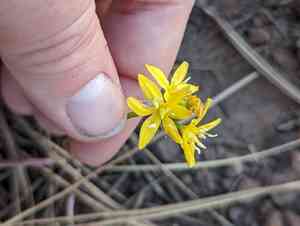
Quickly Identify Oak creek triteleia
1
Look for the plant\'s tall, leafless flowering stems which bear clusters of star-shaped flowers. The flowers typically have six petals and are either bluish-violet or white. Its linear, basal leaves usually die back by the time the plant flowers.
Scientific Classification of Oak creek triteleia
Phylum
Vascular plants
Class
Monocotyledons
Order
Asparagales
Family
Asparagus
Genus
Triteleia
Species
Oak creek triteleia
Planting and Growing of Oak creek triteleia
Care Difficulty
Easy
Watering Schedule
Every 2 days
Sunlight Requirements
Full sun
Sunshine Duration
6-10 hours
Ideal Temperature
60-75℉
Soil Type
Potting Mix, Peat Mix
Soil pH
6.5-7.5
Fertilizer Type
Balanced
Pruning Season
Spring, Summer
Pruning Area
Branches, Leaves
Pruning Frequency
2 times a year
Repotting Season
Spring
Pot Type
Plastic, Ceramic
 How to Water Oak creek triteleia?
Triteleia lemmoniae requires you to ensure that its soil receives a healthy dose of 250ml of water each time. The rule of thumb here is to make sure the soil is evenly moist but not waterlogged. Imagine keeping the soil as moist as a wrung-out sponge, providing sufficient hydration without causing root rot.
What are the symptoms of an underwatered Oak creek triteleia?
›
What should I do if my Oak creek triteleia is not getting enough water?
›
What are the symptoms of an overwatered Oak creek triteleia?
›
How to save an overwatered Oak creek triteleia?
›
 What Are the Sunlight Requirements for Oak creek triteleia?
Triteleia lemmoniae thrives best in full to partial sunlight, requiring 4 to 6 hours of sunlight. This exposure ensures robust blooming and vibrant foliage, enhancing its natural beauty and encouraging rigorous growth cycles.
Question: What is the best position for Triteleia lemmoniae in a garden?
›
Question: How to provide optimal light indoors?
›
Question: How to adapt lighting with seasonal changes?
›
 What Is the Ideal Temperature Range for Oak creek triteleia?
Triteleia lemmoniae thrives best in temperatures ranging from 60°F to 75°F. This range mimics the natural conditions of their native habitat, promoting optimal metabolic processes and healthy growth. Within this temperature band, you can expect vigorous foliage and robust blooming patterns.
 What Soil is Best for Oak creek triteleia?
Triteleia lemmoniae thrives in well-draining soil to prevent root rot and waterlogging. Ensuring proper drainage allows the roots to breathe and absorb nutrients efficiently, promoting healthy growth. This plant prefers soil with moderate nutrient levels. While it doesn’t require overly fertile soil, the presence of essential nutrients supports its blooming and overall vigor. A stable soil structure helps in supporting plant roots. Loam or sandy loam offers the perfect blend of aeration and moisture retention, essential for the robust development of Triteleia lemmoniae.
 How to Fertilize Oak creek triteleia?
When fertilizing Triteleia lemmoniae, use a balanced fertilizer diluted to half-strength. Apply around 10-15 ml of liquid fertilizer per plant, ensuring the soil is moist at the time of application to prevent root burn.
 How to Prune Oak creek triteleia?
Begin by cutting back any dead or damaged leaves down to the base. Trim excess foliage to maintain the plant's shape, encouraging a more bushy appearance. Ensure cuts are made at an angle to promote quicker healing. After pruning, water the plant adequately and consider adding a balanced fertilizer to support recovery and growth. Monitor the plant over the next few weeks for any signs of stress or disease, adjusting care as needed.
More About Pruning Techniques→
 How to Propagate Oak creek triteleia plant?
1
Begin by preparing a suitable potting mix that drains well. Use a mix of potting soil, perlite, and coarse sand to improve drainage. Fill containers three-quarters full, ensuring there are no large clumps which could impede seed germination or root growth.
2
Scatter the seeds evenly on the soil surface. Lightly press them into the soil or cover with a thin layer of soil to ensure good contact. Triteleia lemmoniae seeds require light to germinate, so ensure not to bury them too deeply.
3
Ensure the soil is kept consistently moist, using a watering can to gently water the seeds. Maintain a warm temperature of around 65-75°F (18-24°C) to facilitate germination. A light cover using plastic wrap can help maintain humidity levels.
 How to Repot Oak creek triteleia plant?
1
Triteleia lemmoniae should be repotted when you notice signs like roots growing out of the drainage holes or when the potting soil becomes compacted and retains too much water. These signals indicate that your plant has outgrown its current pot or that the soil is no longer providing the necessary aeration and drainage.
2
Select a pot that is one size larger than the current one, ensuring it has adequate drainage holes. The new pot should provide enough space for root expansion while also allowing excess water to escape, preventing root rot and promoting healthy growth. Clay or terracotta pots are ideal as they allow air and moisture exchange.
3
Opt for a well-draining potting mix to avoid waterlogging. A mixture containing equal parts of peat moss, perlite, and sand is recommended. This type of soil offers excellent drainage and aeration, which are crucial for the healthy roots and overall vitality of Triteleia lemmoniae.
Learn More About Oak creek triteleia Diseases
Anthracnose
Bacterial Leaf Spot
Bacterial Soft Rot
Bacterial Wilt
Crown Gall
Cyst Nematode
Damping-off
Downy Mildew
Drought Stress
Fusarium Wilt
Gray Mold
Leaf Spot
Mosaic
Nutrient Deficiency
Nutrient Toxicity
Powdery Mildew
Root Rot
Root-knot Nematode
Rusts
Sooty Mold
Spider Mites
Temperature Stress
Thrips Damage
White Mold



