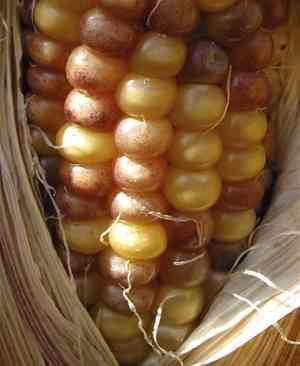
Gamagrasses (Tripsacum) (Tripsacum)
Also known as: Gamagrass, Eastern Gamagrass
The genus *Tripsacum*, commonly known as gamagrasses, is native to the Western Hemisphere.
In This Article
Attributes of Gamagrasses (Tripsacum)
Lifespan
Perennial
Plant Height
6-8 feet
Spread
3-4 feet
Leaf Color
Green
Flower Size
0.5-1 inch
Flower Color
Yellow to brown
Images of Gamagrasses (Tripsacum)
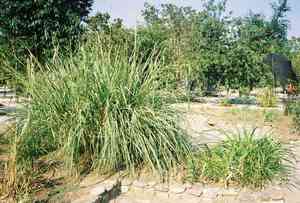
Quickly Identify Gamagrasses (Tripsacum)
1
Tripsacum species can be identified by their robust and coarse stems, which can reach up to 8 feet tall. The leaves are long, wide, and rough to the touch, with a prominent midrib. The plants produce spikelets that are arranged in distinct, segmented inflorescences.
Scientific Classification of Gamagrasses (Tripsacum)
Phylum
Magnoliophyta
Class
Liliopsida
Order
Poales
Family
Poaceae
Genus
Tripsacum
Planting and Growing of Gamagrasses (Tripsacum)
Care Difficulty
Moderate
Watering Schedule
Every 2 days
Sunlight Requirements
Full sun
Sunshine Duration
4-6 hours
Ideal Temperature
65-85℉
Soil Type
Potting Mix, Peat Mix
Soil pH
6-8
Fertilizer Type
Balanced
Pruning Season
Spring, Summer
Pruning Area
Branches, Leaves
Pruning Frequency
2 times a year
Repotting Season
Spring
Pot Type
Plastic, Ceramic
 How to Water Gamagrasses (Tripsacum)?
Water Tripsacum with approximately 700 ml each time. Ensure the topsoil is sufficiently moist but never soggy. Allow the water to drain through the soil completely, which helps in maintaining healthy roots. It's crucial not to let the plant sit in water as that can cause root rot.
What are the symptoms of an underwatered Gamagrasses (Tripsacum)?
›
What should I do if my Gamagrasses (Tripsacum) is not getting enough water?
›
What are the symptoms of an overwatered Gamagrasses (Tripsacum)?
›
How to save an overwatered Gamagrasses (Tripsacum)?
›
 What Are the Sunlight Requirements for Gamagrasses (Tripsacum)?
Tripsacum ideally requires full sun exposure to partial sun conditions. This range ensures optimal photosynthesis, leading to vigorous growth, healthy foliage, and increased resistance to diseases and pests.
Optimal Growth Query
›
Benefit in Natural Habitat
›
Key Sun Exposure Solution
›
 What Is the Ideal Temperature Range for Gamagrasses (Tripsacum)?
The ideal temperature range for Tripsacum species is between 65°F and 85°F. This range provides favorable conditions that facilitate optimal metabolic processes, ensuring healthy growth and development. Consistent temperate conditions within this range help in promoting robust root systems and vibrant foliage.
 What Soil is Best for Gamagrasses (Tripsacum)?
Tripsacum thrives in soil that ensures good drainage, preventing waterlogging. This allows for optimal root health and nutrient uptake, crucial for the plant's vigorous growth and reproduction. To support its robust growth, Tripsacum benefits from a soil rich in organic matter. This boosts fertility, enhancing the plant's resilience to pests and diseases and promoting lush, green foliage. While Tripsacum is adaptable, maintaining moderate moisture levels in the soil is optimal. Consistency in moisture helps sustain its growth and prevents the stress associated with extreme dry or wet conditions.
 How to Fertilize Gamagrasses (Tripsacum)?
For Tripsacum, it's crucial not to over-fertilize as it can lead to nutrient burn. A balanced formulation like 10-10-10 should be diluted to half-strength for liquid applications. Apply around 250 ml of this solution per plant each time. For solid fertilizers, use approximately 100 grams per plant per application.
 How to Prune Gamagrasses (Tripsacum)?
Always use clean and well-maintained pruning tools to avoid spreading infections. Clean tools with disinfectant after each use. It’s essential to wear gloves for protection and to have proper grip, especially when dealing with thick or stubborn stalks. After pruning, ensure the plant is well-watered to help it recover quickly from the trim. Consider fertilizing with a balanced formula to encourage healthy regrowth. Monitor the plant over the following weeks, looking out for any signs of stress or disease.
 How to Propagate Gamagrasses (Tripsacum) plant?
1
Collect mature seeds from healthy Tripsacum plants, usually when the seeds have dried on the plant. Ensure seeds are clean and store them in a cool, dry place until sowing.
2
Use a well-draining potting mix to fill seed trays or pots. Adding some organic compost can enhance nutrient availability, providing a fertile medium for seed germination.
3
When selecting parent plants for division, choose mature and healthy clumps. Carefully separate the root ball into smaller sections, each with several growing points and roots.
 How to Repot Gamagrasses (Tripsacum) plant?
1
Tripsacum typically needs repotting when you notice roots starting to crowd the pot, emerging from drainage holes, or when the growth seems stunted. It's best to act early in the season during its active growing phase for optimal root recovery.
2
Opt for a pot that's slightly larger than the current one, with ample drainage holes to prevent waterlogging. This new space not only accommodates root growth but also promotes healthy air circulation, reducing the risk of root rot and allowing the plant to establish itself vigorously.
3
A well-draining soil mix is crucial, ideally composed of a blend of loam, sand, and organic matter. This provides the perfect environment for Tripsacum, ensuring stability, fertility, and good drainage, which keeps the roots healthy and free from disease.

