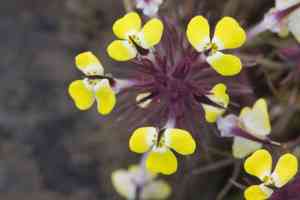
Johnny-tuck (Triphysaria eriantha)
Also known as: Butter-and-eggs
Johnny-tuck, or **Triphysaria eriantha**, is a flowering plant native to the western United States, especially in regions of California and Oregon. It features a distinctive appearance with spikes of yellow or pink blossoms.
In This Article
Attributes of Johnny-tuck
Lifespan
Annual
Plant Type
Herb
Plant Height
10 cm to 30 cm
Spread
Not applicable
Leaf Color
Green
Flower Size
1.02 cm to 2.5 cm
Flower Color
Yellow with white tips
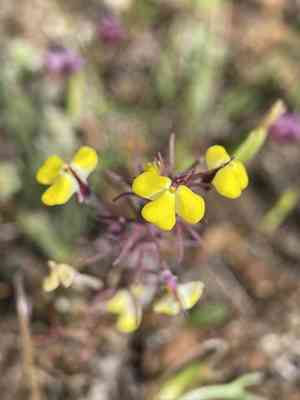
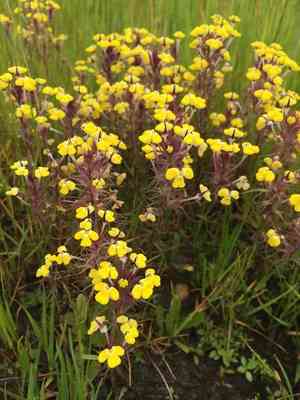
Images of Johnny-tuck


Quickly Identify Johnny-tuck
1
Identifying Triphysaria eriantha involves looking for its bright yellow flowers with white tips that resemble snapdragons. The plant typically grows low to the ground and can be identified by its thin, lobed leaves.
Scientific Classification of Johnny-tuck
Phylum
Vascular plants
Class
Dicotyledons
Order
Lamiales
Family
Broomrape
Genus
Owl's-clovers
Species
Johnny-tuck
Planting and Growing of Johnny-tuck
Care Difficulty
Moderate
Watering Schedule
Every 3 days
Sunlight Requirements
Partial sun
Sunshine Duration
4-8 hours
Ideal Temperature
60-75℉
Soil Type
Potting Mix, Peat Mix
Soil pH
6-7.5
Fertilizer Type
Balanced
Pruning Season
Spring, Summer
Pruning Area
Branches, Leaves
Pruning Frequency
2 times a year
Repotting Season
Spring
Pot Type
Terracotta, Plastic
 How to Water Johnny-tuck?
Triphysaria eriantha thrives with a measured watering approach. Aim to provide approximately 250 milliliters of water per session, ensuring the soil is moist but not saturated. This careful balance helps maintain optimal plant health.
What are the symptoms of an underwatered Johnny-tuck?
›
What should I do if my Johnny-tuck is not getting enough water?
›
What are the symptoms of an overwatered Johnny-tuck?
›
How to save an overwatered Johnny-tuck?
›
 What Are the Sunlight Requirements for Johnny-tuck?
Triphysaria eriantha prefers partial sun to full sun conditions. Having a balanced exposure ensures the plant attains its healthiest foliage, maintains vibrant color, and supports its flowering and reproductive phases effectively.
More About Sunlight Requirements Techniques→
What are the ideal sunlight conditions?
›
How to achieve these conditions?
›
What are the benefits of ideal sunlight exposure?
›
 What Is the Ideal Temperature Range for Johnny-tuck?
Triphysaria eriantha thrives best between 60°F and 75°F. This range provides the ideal conditions for its growth and ensures maximum photosynthesis. Maintaining these temperatures can enhance plant vigor, allowing strong development and favorable flowering.
 What Soil is Best for Johnny-tuck?
Triphysaria eriantha thrives in well-drained soils. The plant's roots need sufficient oxygen to prevent rot and to support healthy growth. Proper drainage encourages robust root systems and enhances overall plant resilience. This plant prefers nutrient-rich soils that provide essential minerals for growth. Proper nutrient availability supports vibrant foliage and optimal blooming, ensuring that Triphysaria eriantha thrives during its growth cycle. While good drainage is critical, the soil should retain enough moisture to sustain the plant during dry periods. Balancing moisture retention prevents wilting and supports continuous growth.
 How to Fertilize Johnny-tuck?
Triphysaria eriantha is a unique and delicate plant that doesn't require heavy fertilization. Use a balanced liquid fertilizer at half the recommended strength. For slow-release fertilizers, use a small pinch around the base of the plant to avoid overwhelming the roots.
 How to Prune Johnny-tuck?
Start by inspecting the plant for any dead or diseased foliage, and carefully remove these parts with sharp, clean scissors. Focus on encouraging a balanced shape by trimming any excessively long stems. Always make cuts just above a leaf node or bud to stimulate healthy growth. This practice helps Triphysaria eriantha maintain a tidy and attractive appearance. Consistently trim during its active growth periods to help it thrive and to enhance flowering.
More About Pruning Techniques→
 How to Propagate Johnny-tuck plant?
1
Before sowing, soak the seeds in lukewarm water for a few hours to speed up the germination process by softening the seed coat.
2
Fill the seed starter tray with potting mix and evenly distribute the seeds on the surface. Lightly press the seeds into the soil without covering them completely, as they need light to germinate.
3
Keep the seed tray in a bright, warm location. Maintain consistent moisture by misting regularly, and ensure good air circulation to prevent fungal growth.
 How to Repot Johnny-tuck plant?
1
Triphysaria eriantha needs repotting when its roots start growing out of the pot’s drainage holes or when the soil surface dries out very quickly after watering. This usually indicates that the plant is root-bound, and it’s time to give it more space to grow.
2
Choose a pot that is one size larger than the current one, which should provide enough space for the roots to expand without overwhelming the plant. It is crucial that the pot has adequate drainage holes to prevent waterlogging, which could lead to root rot.
3
Opt for a well-draining sandy soil mix that allows for optimal water flow. This type of soil reduces the risk of overwatering and provides an environment that mimics its natural habitat, promoting healthier root development.



