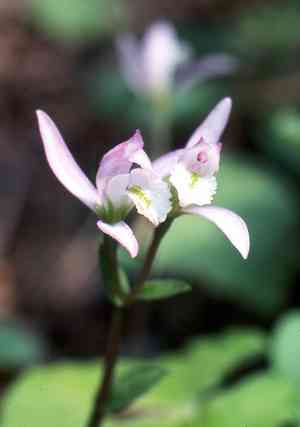
Three birds orchid (Triphora trianthophoros)
Also known as: Nodding pogonia
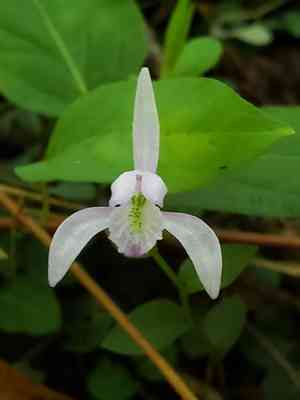
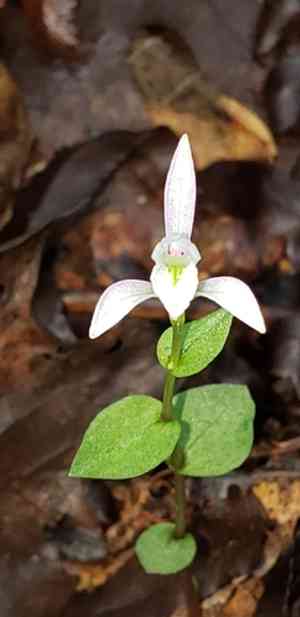
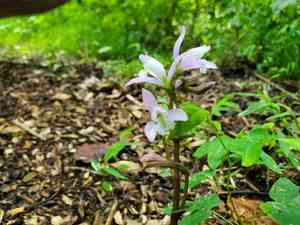
Triphora trianthophoros is a small, ground-dwelling orchid that partially relies on decaying organic matter. It is the most visually striking species within its genus. This orchid features 1 to 8 downward-facing flowers, usually around 2 centimeters wide, which bloom on stems ranging from 8 to 25 centimeters in height. The leaves are relatively small, measuring 1 to 1.5 centimeters, and are generally dark green to purple in color.
In This Article
Attributes of Three birds orchid
Lifespan
Perennial
Plant Type
Herb
Plant Height
10-25 cm
Spread
N/A (herbaceous plant)
Leaf Color
Green
Flower Size
1-2 cm
Flower Color
White Purple
Images of Three birds orchid
Quickly Identify Three birds orchid
1
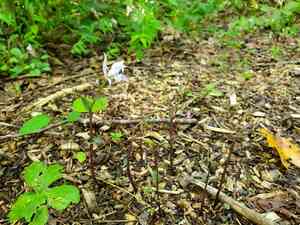
To identify Triphora trianthophoros, look for small, nodding, pale pink or white flowers that are often grouped in threes. The leaves are oval-shaped, green, and appear along the stem. The plant typically grows in shaded, moist environments such as forests.
Scientific Classification of Three birds orchid
Phylum
Vascular plants
Class
Monocotyledons
Order
Asparagales
Family
Orchid
Genus
Noddingcaps
Species
Three birds orchid
Planting and Growing of Three birds orchid
Care Difficulty
Hard
Watering Schedule
Every 3 days
Sunlight Requirements
Partial sun
Sunshine Duration
4-8 hours
Ideal Temperature
60-75℉
Soil Type
Potting Mix, Peat Mix
Soil pH
5.5-6.5
Fertilizer Type
Balanced
Pruning Season
Spring, Summer
Pruning Area
Branches, Leaves
Pruning Frequency
2 times a year
Repotting Season
Spring
Pot Type
Ceramic, Plastic
 How to Water Three birds orchid?
For Triphora trianthophoros, a rare and delicate orchid, watering should be consistent but not excessive. Each watering session should deliver approximately 200 milliliters of water. It’s important to ensure that the water penetrates the soil deeply enough to reach the roots but does not leave the soil waterlogged.
What are the symptoms of an underwatered Three birds orchid?
›
What should I do if my Three birds orchid is not getting enough water?
›
What are the symptoms of an overwatered Three birds orchid?
›
How to save an overwatered Three birds orchid?
›
 What Are the Sunlight Requirements for Three birds orchid?
Partial sun and full shade are optimal. This light range ensures Triphora maintains vigorous growth and blooms consistently without stress from excessive solar exposure.
Preferred Lighting
›
Solutions for Ideal Lighting
›
Benefits of Ideal Lighting
›
 What Is the Ideal Temperature Range for Three birds orchid?
Triphora trianthophoros thrives best in moderate to warm conditions with an ideal temperature range of 60°F to 75°F. Maintaining this range is crucial for optimal growth and flowering, as it mimics the natural habitat conditions where this plant is typically found. Consistent temperatures within this range support healthy foliage development and vibrant blooms.
 What Soil is Best for Three birds orchid?
Triphora trianthophoros thrives in well-drained soil that prevents water from pooling around the roots, reducing the risk of root rot and promoting healthy growth. This plant benefits from soil rich in organic matter, which provides essential nutrients and retains moisture, supporting its lush growth and vibrant blooms. Maintaining consistent moisture in the soil is crucial for Triphora trianthophoros, as it prevents the plant from drying out and ensures continuous, healthy development.
 How to Fertilize Three birds orchid?
For Triphora trianthophoros, use a balanced liquid fertilizer diluted to one-quarter strength. This ensures the delicate roots aren't overwhelmed. When using slow-release granular fertilizers, around 1 tablespoon per plant or pot is adequate for the season.
 How to Prune Three birds orchid?
Always use clean and sharp pruning shears to ensure precise cuts that minimize damage to the plant. Dirty or blunt tools can lead to jagged cuts, increasing susceptibility to diseases and pests. Look for any parts that appear diseased, damaged, or dead, and remove them carefully. This helps prevent the spread of disease and ensures the plant focuses its energy on healthy growth. After pruning, observe the plant for any signs of stress or disease. Pruning can temporarily stress the plant, so ensure it's well-hydrated and receives appropriate light to recover quickly.
More About Pruning Techniques→
 How to Propagate Three birds orchid plant?
1
Before sowing, soak the seeds in water overnight to improve germination rates. This helps to soften the seed coat and speed up the sprouting process.
2
Place the seeds on the surface of the potting soil in the prepared seed trays. Lightly cover them with a thin layer of soil to ensure they receive ample light while maintaining moisture.
3
Keep the tray in a warm and well-lit area, ensuring that the soil remains consistently moist but not waterlogged. It's important to strike a balance in light and moisture for successful propagation.
 How to Repot Three birds orchid plant?
1
Triphora trianthophoros shows signs of needing a repot when roots start to circle the pot's bottom or grow through drainage holes. Reduced growth and flowering can also signal it's time to repot.
2
Select a pot that's one size larger than the current one, ensuring it has good drainage. A well-sized pot promotes healthy root growth and prevents water logging, encouraging vigorous plant health.
3
Opt for a soil mix that retains moisture yet drains well, such as a blend of loamy soil with perlite. This ensures the roots stay hydrated without becoming waterlogged, fostering robust growth and bloom.



