Horse-gentian (Triosteum) (Triosteum)
Also known as: Horse Gentian, Feverwort
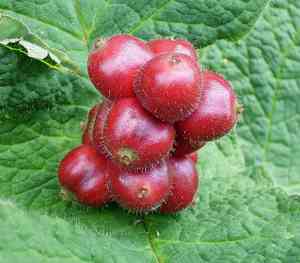
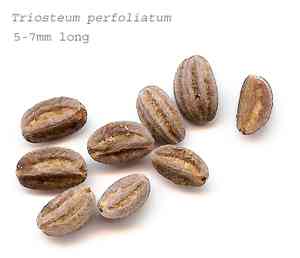
Horse-gentian is a perennial flowering plant that is often considered coarse in appearance. It features hairy stems and grows from an underground rhizome. The plant produces a drupe, which is a type of fruit with a seed encased in a hard shell and surrounded by fleshy material, making it appealing to many animals. The Latin name *Triosteum* is derived from Greek, meaning "three bones," and refers to the three stones found within each drupe.
In This Article
Attributes of Horse-gentian (Triosteum)
Lifespan
Perennial
Plant Height
0.5 to 1.5 meters
Spread
0.3 to 0.6 meters
Leaf Color
Green
Flower Size
1 to 2 cm
Flower Color
Orange, Yellow
Images of Horse-gentian (Triosteum)
Quickly Identify Horse-gentian (Triosteum)
1
Triosteum plants can be identified by their opposite leaves, tubular flowers that are often orange or yellow, and berries that turn from green to dark purple or red as they mature.
Scientific Classification of Horse-gentian (Triosteum)
Phylum
Magnoliophyta
Class
Magnoliopsida
Order
Dipsacales
Family
Caprifoliaceae
Genus
Triosteum
Planting and Growing of Horse-gentian (Triosteum)
Care Difficulty
Easy
Watering Schedule
Every 4 days
Sunlight Requirements
Partial sun
Sunshine Duration
4-6 hours
Ideal Temperature
60-75℉
Soil Type
Potting Mix, Peat Mix
Soil pH
6.5-7.5
Fertilizer Type
Balanced
Pruning Season
Spring, Summer
Pruning Area
Branches, Leaves
Pruning Frequency
2 times a year
Repotting Season
Spring
Pot Type
Plastic, Ceramic
 How to Water Horse-gentian (Triosteum)?
Triosteum plants require a moderate amount of water, around 250 milliliters per watering session. When watering, ensure the soil is evenly moist but not waterlogged. It's important to let the top inch of soil dry out between waterings to prevent root rot.
What are the symptoms of an underwatered Horse-gentian (Triosteum)?
›
What should I do if my Horse-gentian (Triosteum) is not getting enough water?
›
What are the symptoms of an overwatered Horse-gentian (Triosteum)?
›
How to save an overwatered Horse-gentian (Triosteum)?
›
 What Are the Sunlight Requirements for Horse-gentian (Triosteum)?
Triosteum enjoys partial sun conditions, ideally receiving filtered sunlight. Optimal light ensures lush growth, good form, and natural resistance to diseases.
What is the best environment for Triosteum?
›
How to ensure optimal light for Triosteum?
›
Why is ideal lighting crucial for Triosteum?
›
 What Is the Ideal Temperature Range for Horse-gentian (Triosteum)?
The optimal temperature range for cultivating Triosteum is between 60°F and 75°F. Within this range, the plant can perform photosynthesis efficiently, resulting in healthy growth and robust foliage. It's crucial to maintain consistent temperatures to avoid stress on the plant, as fluctuations outside this range can impact its physiological processes.
 What Soil is Best for Horse-gentian (Triosteum)?
Triosteum thrives in well-drained soil to prevent root rot and other water-related issues. It benefits from a soil that isn't waterlogged but maintains enough moisture to support healthy growth. The plant flourishes in soils with ample organic matter which supplies essential nutrients, resulting in vigorous growth and vibrant foliage. A soil that strikes a balance between drainage and moisture retention helps Triosteum maintain consistent hydration, crucial for preventing stress and promoting resilience.
 How to Fertilize Horse-gentian (Triosteum)?
For Triosteum, applying fertilizer should be done cautiously. Use a balanced liquid fertilizer diluted to half strength to avoid over-fertilization. Generally, 1 teaspoon per gallon is sufficient when done during the active growing season.
 How to Prune Horse-gentian (Triosteum)?
Begin by inspecting the plant for any dead or damaged branches. Remove these first to keep the plant healthy and prevent disease spread. Cut them back to the base or just above a healthy node. After removing dead or damaged branches, step back and assess the plant's shape. Cut back any branches that disrupt the desired shape, making sure to cut just above a node to encourage new growth. If the plant has areas where growth is too dense, thin them out by selectively pruning some branches. This improves air circulation and allows more light to reach the inner parts of the plant, contributing to overall health.
 How to Propagate Horse-gentian (Triosteum) plant?
1
Fill seed trays with a well-drained potting mix. Moisten the medium slightly before planting the seeds to ensure even moisture distribution and enhance seed-soil contact.
2
Sow the seeds about 1/4 inch deep in the prepared trays. Space them evenly to avoid overcrowding, which can hinder initial growth and increase susceptibility to diseases.
3
Select healthy stems and make a clean cut below a node. Remove the lower leaves, leaving a few at the top to support photosynthesis. This helps in reducing transpiration while the cutting develops roots.
 How to Repot Horse-gentian (Triosteum) plant?
1
The ideal time to repot Triosteum is when you notice roots growing out of drainage holes or the plant appears to be stunted. These signs suggest it's outgrowing its current pot, indicating it's the perfect time for a new home.
2
Choose a pot that's one size larger than the current one, with good drainage holes. A slightly larger pot prevents excessive soil retention, reducing the risk of root rot. Terracotta pots are preferred as they allow moisture to evaporate, keeping the roots healthy.
3
Select a well-draining soil mix rich in organic matter. A mix with peat, perlite, and pine bark works well. This combination provides essential nutrients, retains moisture without waterlogging, and promotes robust root development.
Learn More About Horse-gentian (Triosteum) Diseases
Anthracnose
Bacterial Leaf Spot
Bacterial Wilt
Crown Gall
Cyst Nematode
Damping-off
Downy Mildew
Drought Stress
Fusarium Wilt
Gray Mold
Leaf Spot
Mosaic
Nutrient Deficiency
Nutrient Toxicity
Powdery Mildew
Root Rot
Root-knot Nematode
Rusts
Sooty Mold
Spider Mites
Temperature Stress
Thrips Damage
White Mold
Chemical Injury

