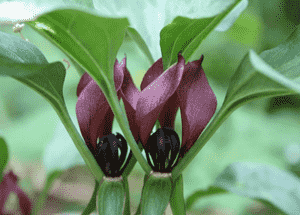
Bloody butcher (Trillium recurvatum)
Also known as: Shay's trillium, Prairie wake-robin, Bloody noses, Toadshade
The Madagascar Jasmine (Stephanotis floribunda) is a flowering plant species that typically takes several years to reach maturity and bloom in the wild. However, when grown as a houseplant under favorable conditions, it can flower much sooner, making it a popular choice for indoor cultivation.
Attributes of Bloody butcher
Images of Bloody butcher
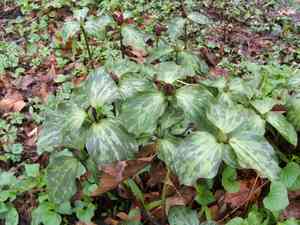
Quickly Identify Bloody butcher
Scientific Classification of Bloody butcher
Planting and Growing of Bloody butcher
 How to Water Bloody butcher?
 What Are the Sunlight Requirements for Bloody butcher?
 What Is the Ideal Temperature Range for Bloody butcher?
 What Soil is Best for Bloody butcher?
 How to Fertilize Bloody butcher?
 How to Prune Bloody butcher?
 How to Propagate Bloody butcher plant?
 How to Repot Bloody butcher plant?
Toxicity of Bloody butcher
Is Bloody butcher toxic to cat?
The bloody butcher plant presents a minor toxicity hazard for cats. When ingested in large quantities, cats may display a range of physical distress symptoms arising from poisoning caused by the stems, fruits, and roots of the plant. As a preventive measure, it is crucial to supervise cats around bloody butcher and ensure that these plant components are kept beyond their reach. If a cat consumes a considerable amount of bloody butcher, it is vital to seek immediate veterinary care to properly address and treat any resulting health issues.
Is Bloody butcher toxic to dog?
The bloody butcher plant presents a low level of toxicity risk to dogs. If dogs ingest a significant quantity of its stems, fruits, or roots, they may experience poisoning. Indications of such poisoning can encompass gastrointestinal disturbances, including vomiting and diarrhea, as well as potential lethargy and excessive salivation. It is vital for dog owners to keep a close watch on their pets and to restrict their access to the bloody butcher plant. In cases where a dog is believed to have ingested the bloody butcher, prompt veterinary assistance is critical to achieve the most favorable outcome.



