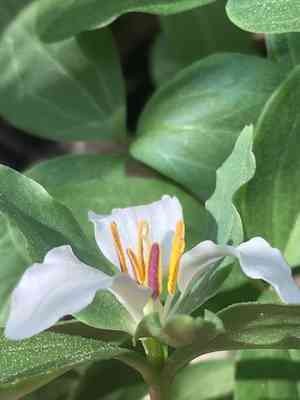
Dwarf wakerobin (Trillium pusillum)
Also known as: Carolina dwarf trillium, Dwarf trillium
The flower features three dark green bracts, occasionally showing a red tint when young. It has three sepals that are green, sometimes with a hint of red, reaching up to 3 cm in length. The flower also has three petals that are white but turn pink as they age, with wavy edges. Six stamens are present, each with lavender or yellow anthers up to 1 cm long. The stigmas are characterized by long, narrow, spreading lobes. The fruit of the flower is pulpy and measures between 1 to 1.5 cm in length.
In This Article
Attributes of Dwarf wakerobin
Lifespan
Perennial
Plant Type
Herb
Plant Height
8 cm to 30 cm
Spread
15 cm to 50 cm
Leaf Color
Green
Flower Size
1-1.5 inches
Flower Color
White to pinkish
Images of Dwarf wakerobin
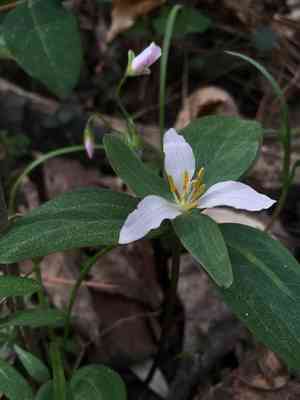
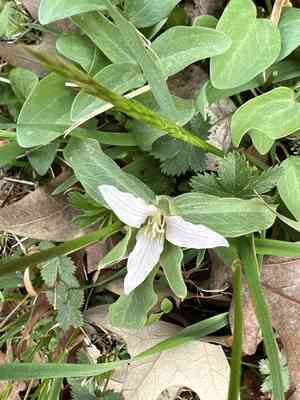
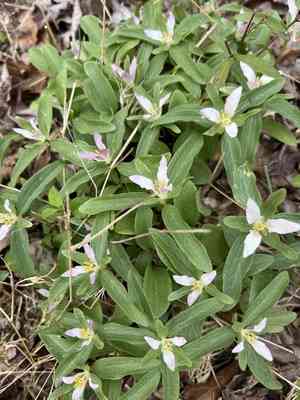
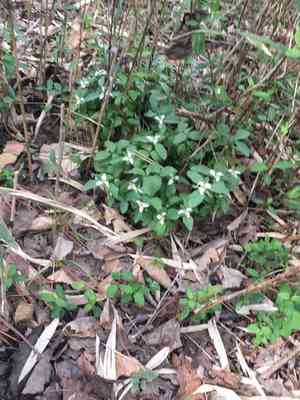
Quickly Identify Dwarf wakerobin
1
Triad of narrow lance-shaped leaves in a whorl
2
Unbranched stem with slender diameter (0.1-0.2 inches / 2.5-5 mm)
3
Three wavy petals on flower, transitioning from white to pinkish hue
4
Distinctive 6-parted, berry-like fruit capsule with white coloration
5
Petite stature, single unbranched flower atop leafy trio in spring
Scientific Classification of Dwarf wakerobin
Phylum
Vascular plants
Class
Monocotyledons
Order
Liliales
Family
Bunchflower
Genus
Birthroots
Species
Dwarf wakerobin
Planting and Growing of Dwarf wakerobin
Care Difficulty
Hard
Watering Schedule
Every 2 days
Sunlight Requirements
Partial sun
Sunshine Duration
10-12 hours
Ideal Temperature
60-70℉
Soil Type
Potting Mix, Peat Mix
Soil pH
5.5-6.5
Fertilizer Type
Balanced
Pruning Season
Spring, Summer
Pruning Area
Branches, Leaves
Pruning Frequency
2 times a year
Repotting Season
Spring
Pot Type
Plastic, Ceramic
 How to Water Dwarf wakerobin?
Watering Trillium pusillum should be done with enough water to moisten the soil thoroughly, typically around 200 ml per watering. Always ensure the soil is evenly moist but never waterlogged, as this plant prefers well-drained soil conditions.
What are the symptoms of an underwatered Dwarf wakerobin?
›
What should I do if my Dwarf wakerobin is not getting enough water?
›
What are the symptoms of an overwatered Dwarf wakerobin?
›
How to save an overwatered Dwarf wakerobin?
›
 What Are the Sunlight Requirements for Dwarf wakerobin?
Partial sun to full shade conditions provide Trillium pusillum with the optimal balance of light needed for lush growth and prosperous blooming. Ensuring proper light levels helps maintain health, supporting photosynthesis and moisture management effectively.
How can Trillium pusillum achieve ideal lighting?
›
What happens when Trillium pusillum receives ideal lighting?
›
What are the solutions to provide ideal light for Trillium pusillum?
›
 What Is the Ideal Temperature Range for Dwarf wakerobin?
Trillium pusillum, commonly known as dwarf trillium, thrives best within the temperature range of 60°F to 70°F. This range provides a stable environment that mimics its natural woodland habitat, ensuring optimal growth and flowering. Maintaining consistent temperatures within this range helps in promoting healthy foliage development and robust root systems.
 What Soil is Best for Dwarf wakerobin?
Trillium pusillum thrives in well-drained soil, which helps prevent root rot and other moisture-related issues. This condition ensures that the roots have access to the air they need to stay healthy while also avoiding the accumulation of excess water. Adding organic matter to the soil is crucial for Trillium pusillum as it enhances the soil's nutrient content and improves its structure. This enrichment provides essential nutrients and promotes better root growth, leading to a healthier plant. Preferring a slightly acidic environment, Trillium pusillum benefits from a pH that ranges from 5.5 to 6.5. This acidity level ensures optimal nutrient uptake and maintains a balanced microorganism presence in the soil.
 How to Fertilize Dwarf wakerobin?
For Trillium pusillum, it is essential to use a balanced approach when fertilizing. Ideally, liquid fertilizers should be diluted to half the strength recommended on the packaging to avoid leaf burn. For solid, slow-release fertilizers, use a small handful spread around the base of each plant, making sure not to touch the stems directly.
 How to Prune Dwarf wakerobin?
For Trillium pusillum, pruning should be minimal. Trim back dead or damaged foliage at the end of its blooming season in late spring or early summer. Use clean, sharp scissors or pruning shears, and make cuts at the base of the damaged or dead leaves to encourage new growth without cutting too deeply into the plant's stems.
More About Pruning Techniques→
 How to Propagate Dwarf wakerobin plant?
1
Collect seeds when the seed pods turn from green to tan, indicating ripeness. Make sure to dry them thoroughly to prevent mold during storage. This step ensures you have viable seeds to propagate new plants.
2
Sow seeds in a well-drained medium and cover lightly with soil. Water gently to avoid displacing the seeds. This step allows the seeds to establish in the soil with the necessary moisture for germination.
3
In early spring or late autumn, divide the rhizomes. Use a sharp knife to separate the clumps, ensuring each section has a portion of the root system. This step promotes new growth and expands your plant collection effectively.
 How to Repot Dwarf wakerobin plant?
1
Trillium pusillum should be repotted when you notice the roots starting to fill the pot or protrude from the drainage holes. Spring is ideal, just before its active growth spurt. By repotting during this time, you allow the plant ample opportunity to establish itself in its new container, minimizing stress and encouraging healthy growth.
2
Select a pot that is only slightly larger than the current one to prevent waterlogging, which these plants dislike. A pot that is too large may retain excess water, leading to root rot. Clay pots are a good choice as they allow moisture to evaporate, creating a balance that mimics the plant’s natural habitat, ensuring healthy growth.
3
Use soil that is rich in organic matter and well-draining to mimic the plant's natural woodland habitat. A mixture containing compost, peat moss, and perlite ensures good aeration and moisture retention, supporting robust root development. Such a blend provides the right nutrients and drainage for thriving Trillium pusillum.
Toxicity
Ingestion
WARNING
The judgment on toxicity and danger is for reference only. We DO NOT GUARANTEE any accuracy of such judgment. Therefore, you SHALL NOT rely on such judgment. It is IMPORTANT TO SEEK PROFESSIONAL ADVICE in advance when necessary.
Learn More About Dwarf wakerobin Diseases
Anthracnose
Bacterial Leaf Spot
Bacterial Soft Rot
Crown Gall
Cyst Nematode
Damping-off
Downy Mildew
Drought Stress
Fusarium Wilt
Gray Mold
Leaf Spot
Mosaic
Nutrient Deficiency
Nutrient Toxicity
Powdery Mildew
Root Rot
Root-knot Nematode
Rusts
Sooty Mold
Spider Mites
Temperature Stress
Thrips Damage
White Mold



