
Giant purple wakerobin (Trillium kurabayashii)
Also known as: Kurabayashi's Wakerobin
The giant purple wakerobin (Trillium kurabayashii) is a perennial plant known for its striking deep maroon to purple flowers, which feature three petals. These flowers are supported by three broad, mottled green leaves. It typically flourishes in the cool, moist, and shaded environments of mixed hardwood forests, particularly in the Pacific Northwest. Emerging in the spring, this plant adds a vivid splash of color to the forest understory, thriving in well-drained, nutrient-rich soil.
In This Article
Attributes of Giant purple wakerobin
Lifespan
Perennial
Plant Type
Herb
Plant Height
20 cm to 71 cm
Spread
40 cm
Leaf Color
Purple Green Gray Silver
Flower Size
2-3 inches (5-7.5 cm)
Flower Color
Red Purple
Images of Giant purple wakerobin
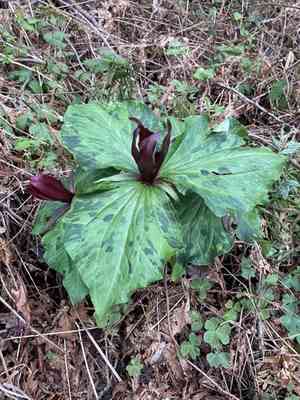
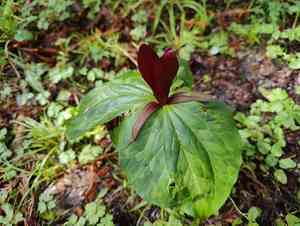

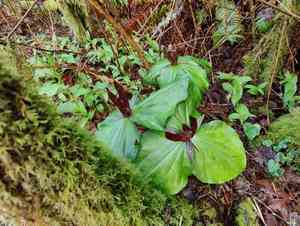
Quickly Identify Giant purple wakerobin
1
Trillium kurabayashii can be identified by its three large, ovate leaves with various degrees of mottling. The plant features a single flower on a short stalk, with three maroon to reddish-purple petals. The petals are lance-shaped and the flower has no true stem but appears to sit directly atop the leaves.
Scientific Classification of Giant purple wakerobin
Phylum
Vascular plants
Class
Monocotyledons
Order
Liliales
Family
Bunchflower
Genus
Birthroots
Species
Giant purple wakerobin
Planting and Growing of Giant purple wakerobin
Care Difficulty
Hard
Watering Schedule
Every 2 days
Sunlight Requirements
Partial sun
Sunshine Duration
4-8 hours
Ideal Temperature
50-70℉
Soil Type
Potting Mix, Peat Mix
Soil pH
6.5-7.5
Fertilizer Type
Balanced
Pruning Season
Spring, Summer
Pruning Area
Branches, Leaves
Pruning Frequency
2 times a year
Repotting Season
Spring
Pot Type
Plastic, Ceramic
 How to Water Giant purple wakerobin?
For Trillium kurabayashii, it is important to maintain even soil moisture without making it soggy. Water with about 250 ml at each session, ensuring that water reaches the root zone without pooling atop the soil. The goal is to keep the soil slightly moist but not waterlogged, simulating its natural woodland environment.
What are the symptoms of an underwatered Giant purple wakerobin?
›
What should I do if my Giant purple wakerobin is not getting enough water?
›
What are the symptoms of an overwatered Giant purple wakerobin?
›
How to save an overwatered Giant purple wakerobin?
›
 What Are the Sunlight Requirements for Giant purple wakerobin?
Partial sun exposure ensures Trillium kurabayashii receives gentle light necessary for photosynthesis and vibrant growth. This light range supports its well-being by preventing scorching while providing enough energy.
What is the best lighting environment for Trillium kurabayashii?
›
How can you achieve ideal lighting conditions indoors?
›
What benefits does ideal lighting bring to Trillium kurabayashii?
›
 What Is the Ideal Temperature Range for Giant purple wakerobin?
For Trillium kurabayashii, the ideal temperature range is between 50°F and 70°F. This range allows the plant to thrive, as it mimics the cooler, temperate environments where it naturally grows. Maintaining this range helps ensure optimal growth and flowering.
 What Soil is Best for Giant purple wakerobin?
Trillium kurabayashii thrives in well-draining soil to prevent waterlogging, which can lead to root rot. Ensuring good drainage allows roots to breathe and enhances nutrient uptake. Rich organic soil supports the plant's growth by providing vital nutrients. Incorporating compost or well-rotted manure can improve soil fertility and promote healthy blooms. This plant prefers soil that remains consistently moist but not saturated. Regular watering and mulching help maintain adequate moisture levels, crucial for its development.
 How to Fertilize Giant purple wakerobin?
For Trillium kurabayashii, fertilization should be done with care, given its preference for naturally rich, loamy soil. Apply liquid fertilizer at half the recommended strength for houseplants, which is typically around 1 tablespoon per gallon of water. Due to their delicate nature, excessive nutrient application can lead to salt buildup and harm the plant. Use sparingly to avoid adverse effects.
 How to Prune Giant purple wakerobin?
Examine the plant carefully to identify any parts that appear brown, wilted, or infected by disease. Remove these sections entirely to promote healthy growth and prevent the spread of disease. Trim back any overcrowded or overly long stems. This will open up the plant structure, permitting better air flow and light penetration, essential for robust growth and the prevention of fungal diseases. To prevent transferring diseases between plants, always disinfect your pruning tools before and after use. A simple solution of bleach and water or alcohol wipes can be effective.
More About Pruning Techniques→
 How to Propagate Giant purple wakerobin plant?
1
Harvest the seeds from mature Trillium kurabayashii plants in late spring once the seed pods open. Carefully separate the seeds from the pods and store them in a cool, dry place until you're ready to plant them.
2
Prepare seed trays with a mix of peat and sand. Sow the seeds of Trillium kurabayashii shallowly, just covering them with a thin layer of soil. Keep the soil moist but not waterlogged to encourage germination.
3
In early spring, carefully dig around mature Trillium kurabayashii and lift the plant. Gently separate the rhizomes using a garden spade, ensuring that each division has roots and a growth bud. Plant the divisions at the same depth they were growing previously.
 How to Repot Giant purple wakerobin plant?
1
Trillium kurabayashii needs repotting when its roots start peeking out from the pot's drainage holes or when it becomes root-bound. Typically, this is evident when the plant exhibits stunted growth or wilting, despite regular care and watering. Ideally, repot during its dormancy phase to minimize stress.
2
Select a pot that is one size larger than the current one, with ample drainage holes. A clay or terracotta pot is preferable as it allows better air circulation to the roots, preventing moisture-related root diseases, which is crucial for the plant's health and vigor.
3
Opt for a rich and well-drained loam to replicate its natural habitat. A mix containing organic matter like leaf mold or compost is ideal for maintaining the moisture levels without waterlogging, which helps the plant thrive by promoting healthy root development.
Learn More About Giant purple wakerobin Diseases
Anthracnose
Bacterial Leaf Spot
Bacterial Soft Rot
Bacterial Wilt
Crown Gall
Cyst Nematode
Damping-off
Downy Mildew
Drought Stress
Fusarium Wilt
Gray Mold
Leaf Curl
Leaf Spot
Mosaic
Nutrient Deficiency
Nutrient Toxicity
Powdery Mildew
Root Rot
Root-knot Nematode
Rusts
Sooty Mold
Spider Mites
Temperature Stress
Thrips Damage
White Mold
Chemical Injury



