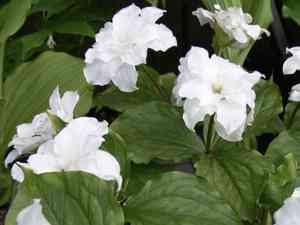
White trillium (Trillium grandiflorum)
Also known as: Snow trillium, Large-flowered trillium, Large white wood lily
The white trillium, recognized as Ohio's state wildflower and Ontario's official provincial floral emblem, has become a conservation concern due to its commercial harvesting from the wild. Notably, it is extensively cultivated in its genus. Native Americans use the leaves for cooking and the root stalks for traditional medicinal purposes.
Attributes of White trillium
Images of White trillium
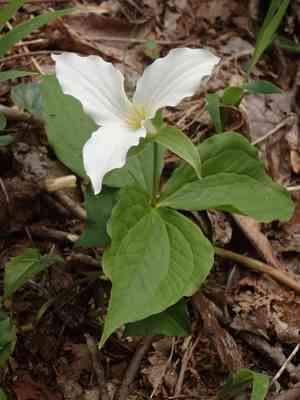
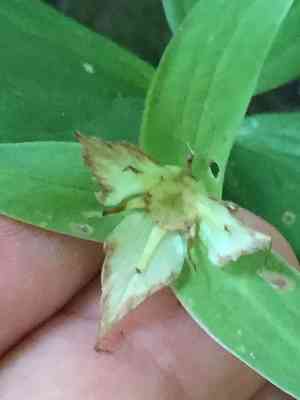
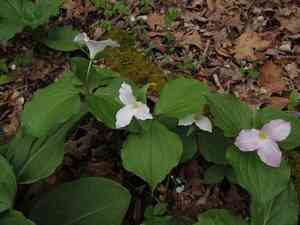
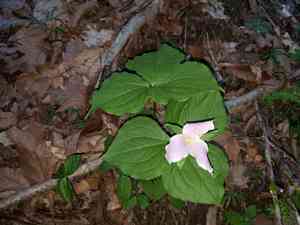
Quickly Identify White trillium
Scientific Classification of White trillium
Planting and Growing of White trillium
 How to Water White trillium?
 What Are the Sunlight Requirements for White trillium?
 What Is the Ideal Temperature Range for White trillium?
 What Soil is Best for White trillium?
 How to Fertilize White trillium?
 How to Prune White trillium?
 How to Propagate White trillium plant?
 How to Repot White trillium plant?
Toxicity of White trillium
Is White trillium toxic to humans?
The white trillium is an attractive plant, yet it poses significant risks if its roots or berries are ingested. These components contain high levels of saponins. While the human body does not absorb saponins effectively enough to induce severe complications, they can cause significant disturbances in the digestive system. Symptoms may encompass nausea, sneezing, abdominal discomfort, colic, vomiting, and diarrhea. It is crucial to keep this plant and its berries well out of children's reach; if necessary, consider removing the berries and disposing of them to prevent small children from accessing them.
Is White trillium toxic to cat?
White trillium, commonly referred to as White trillium, is recognized for its mild toxic effects on cats. When ingested in considerable quantities, various parts of the white trillium, including its stems, fruits, and roots, can induce poisoning. Cats that are affected may show symptoms of physical unease or distress. It is crucial for pet owners to remain alert, as cats may consume white trillium out of curiosity or inadvertently. If there is any suspicion that a cat has ingested white trillium, it is essential to take it to a veterinary clinic without delay for appropriate care.
Is White trillium toxic to dog?
The white trillium presents a mild toxicity risk to dogs. Although cases of poisoning are relatively rare, they can occur if a dog ingests significant quantities of the plant. The plant parts that pose a threat when consumed include the stems, fruits, and roots. Following the ingestion of white trillium, dogs may show symptoms such as gastrointestinal distress or skin irritation. It is vital for dog owners to keep a close watch on their pets and prevent them from roaming in areas where white trillium flourishes. Should a dog consume white trillium, it is important to seek prompt veterinary care to guarantee appropriate treatment and management of any negative effects.



