Red clover(Trifolium pratense)

Red clover (Trifolium pratense)

Also known as: Purple clover

Red clover is commonly grown both as a fodder plant and as green manure due to its ability to fix nitrogen through its root nodules, which enhances soil fertility. This legume is widely naturalized across the globe, including regions like the United States and Australia, often escaping cultivation. Additionally, its attractive flowers make it popular as an ornamental plant.

Attributes of Red clover

Lifespan
Perennial, Biennial
Plant Type
Herb
Plant Height
20 cm to 80 cm
Spread
40 cm
Leaf Color
Green Blue
Flower Size
1.2 cm to 1.5 cm
Flower Color
Pink Purple Red

PlantJoy - Identify plants with a snap

Identify and diagnose plants, get toxicity alerts, and explore safety guides for all types of fungi.

Try for Free

Images of Red clover

Red clover(Trifolium pratense)

Quickly Identify Red clover

1
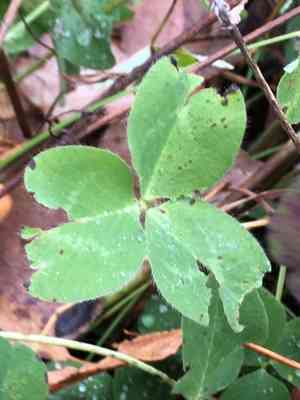
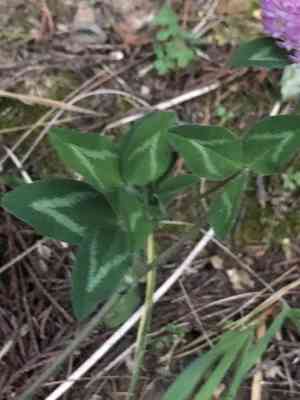
Compound leaves in groups of three leaflets, with oval shape and V-shaped white marking.
2
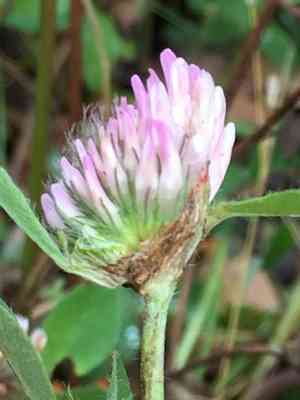
Flower heads with tube-like florets in shades of pink to pinkish-purple, atop hairy stems.
3
Tiny tubular blooms with 5 slender pink to purplish-pink petals, measuring 0.4 inches (1 cm).
4
Small seedpods with 1-2 heart-shaped seeds, evolving from flower heads, colored from green to tan brown.
5
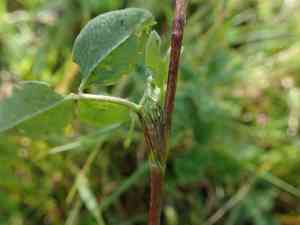
Hairy stem with occasional branching, green color, and 0.1-0.2 inches (3-5 mm) in diameter.

Scientific Classification of Red clover

Phylum
Vascular plants
Class
Dicotyledons
Order
Fabales
Family
Legume
Genus
Clovers
Species
Red clover

Planting and Growing of Red clover

Care Difficulty
Easy
Watering Schedule
Every 4 days
Sunlight Requirements
Full sun
Sunshine Duration
6-10 hours
Ideal Temperature
60-75℉
Soil Type
Potting Mix, Peat Mix
Soil pH
6-7.5
Fertilizer Type
Balanced
Pruning Season
Spring, Summer
Pruning Area
Branches, Leaves
Pruning Frequency
2 times a year
Repotting Season
Spring
Pot Type
Plastic, Terracotta

water icon How to Water Red clover?

For Trifolium pratense, you should aim to water it with around 200 ml each time. The soil should be kept consistently moist but not soggy, aiming for a balance where the roots receive adequate hydration without waterlogging. Ensure excess water can drain away to prevent root rot.
What are the symptoms of an underwatered Red clover?
What should I do if my Red clover is not getting enough water?
What are the symptoms of an overwatered Red clover?
How to save an overwatered Red clover?
More About Watering Techniques

sunlight icon What Are the Sunlight Requirements for Red clover?

Sunlight Requirements: Full sun, Partial sun
Duration of light: 6 to 8 hours
Trifolium pratense prefers full sun and partial sun, ideally exposed to sunlight for 6 to 8 hours daily. This balance of light encourages healthy growth, strong stems, and vibrant blossoms, facilitating optimal photosynthetic activity and energy storage.
What is the ideal amount of sunlight?
What solutions can help achieve ideal sunlight exposure?
What are the benefits of ideal sunlight exposure?
More About Sunlight Requirements Techniques

temperature icon What Is the Ideal Temperature Range for Red clover?

Ideal Temperature: 60 ~ 75℉
The ideal temperature range for the growth of Trifolium pratense, or red clover, is between 60°F and 75°F. This range supports optimal photosynthesis and enzymatic activity, ensuring the plant thrives with robust growth and healthy foliage.

soil icon What Soil is Best for Red clover?

Soil type: Loam, Sandy loam, Clay soil
Soil PH: 6 ~ 7.5
Trifolium pratense thrives in well-drained soil that prevents root rot. Adequate drainage ensures air circulation in the soil, supporting healthy root growth and enabling the plant to access essential nutrients efficiently. While high fertility isn't necessary, moderately fertile soil provides enough nutrients for optimal growth. This control on fertility prevents excessive vegetative growth, allowing the plant to focus on blooming. Soils with good moisture retention are ideal as they help maintain the required hydration levels, especially in warmer climates. This consistency in moisture helps prevent wilting and promotes steady growth. More About Soil

fertilize icon How to Fertilize Red clover?

Fertilizer type: Balanced
Trifolium pratense, commonly known as red clover, thrives with balanced fertilization. Use approximately 1 tablespoon of liquid fertilizer per gallon of water, ensuring you don't over-saturate the soil and cause root rot. More About Fertilizing Techniques

prune icon How to Prune Red clover?

Pruning Time: Spring, Summer
Begin by examining Trifolium pratense for any dead or yellowing leaves. Use clean, sharp scissors or pruning shears to cut these away near the base. Be mindful not to damage the main stems while removing spent flowers, which encourages the plant to direct energy towards new blooms. Always cut just above a leaf node to foster new growth. More About Pruning Techniques

propagate icon How to Propagate Red clover plant?

Propagate Time: Early spring, Late spring, Early autumn
1
Start by choosing a well-draining soil mix suitable for Trifolium pratense. Mix and prepare the soil, ensuring it is loose and rich in organic matter to support root development for seeds, cuttings, or divisions.
2
Scatter Trifolium pratense seeds evenly across the prepared soil surface. Press them lightly into the soil to ensure contact but do not bury too deep, as they require light to germinate. Keep the seeds consistently moist until germination occurs.
3
Select healthy plant stems for cuttings and cut them below a node. Plant the cuttings in moist soil or water to encourage root growth. Keep the cuttings in a warm, bright place but out of direct sunlight while roots develop.
More About Propagating Techniques

repot icon How to Repot Red clover plant?

Repotting frequency: Every 2-3 years
1
Trifolium pratense requires repotting when its roots begin emerging from the pot's drainage holes or spiraling heavily inside the pot. It's vital to choose a time when the plant isn't flowering to minimize stress, typically early spring or late autumn.
2
Choosing the right pot involves ensuring there is about an inch or two of space around the root ball to allow for growth. A pot that is too large can cause water retention, leading to root rot, so it's crucial to choose a moderately larger pot that complements the plant's root size.
3
For Trifolium pratense, opting for a well-draining sandy loam soil is ideal as it supports both aeration and drainage. Avoid dense, compact soils, as they can suffocate the roots and lead to waterlogging, hampering root health and plant vitality.

PlantJoy - Identify plants with a snap

Find the best spots for them to optimize their health, simply using your phone.

Try for Free

Toxicity of Red clover

Is Red clover toxic to cat?

Red clover poses a toxicity risk to cats, as any part of the plant can lead to poisoning if consumed, even inadvertently. Should a cat ingest red clover, it may display symptoms of physical discomfort or sickness, which can manifest as a range of vague indicators. It is crucial to monitor your cat for any abnormal behavior or signs of distress, as these may suggest the possibility of poisoning. In case of any concerns, it is essential to seek immediate veterinary care for a thorough evaluation and appropriate treatment.

Is Red clover toxic to dog?

Red clover is regarded as toxic for dogs. Canines may unintentionally ingest various parts of this plant, resulting in the potential for poisoning. Every component of red clover presents a danger if eaten by dogs. The signs of poisoning can differ, but may include gastrointestinal distress, lethargy, and other health issues that are specific to each dog's unique response to the plant. It is essential for dog owners to observe their pets carefully and restrict their access to red clover. Should a dog ingest any portion of red clover, it is vital to obtain prompt veterinary assistance to ensure the best possible outcome for the affected pet.

Identify toxic plants for your safety

Learn which plants are harmful to you and your pets, and make informed choices for a safer home!

Try for Free
WARNING
The judgment on toxicity and danger is for reference only. We DO NOT GUARANTEE any accuracy of such judgment. Therefore, you SHALL NOT rely on such judgment. It is IMPORTANT TO SEEK PROFESSIONAL ADVICE in advance when necessary.
More About Toxic Techniques