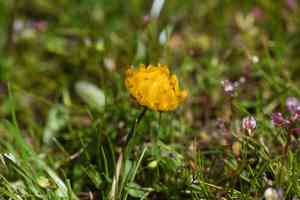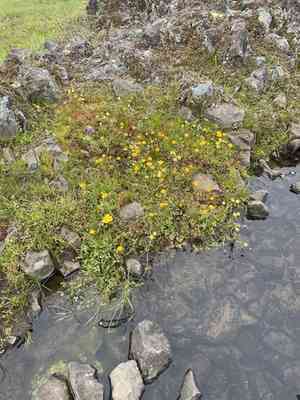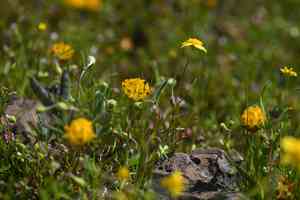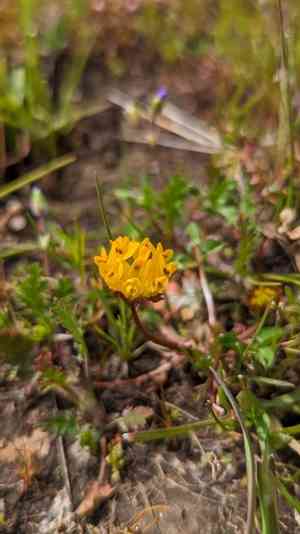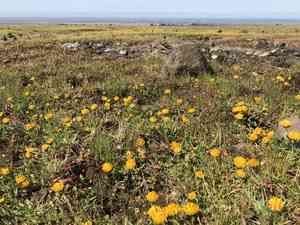
Jim's clover(Trifolium jokerstii)

Jim's clover (Trifolium jokerstii)

Also known as: None

Jim's clover, known scientifically as Trifolium hybridum, is well-suited to temperate zones due to several key characteristics:

1. **Cold Resistance**: It can endure low temperatures, making it suitable for regions with cold winters.
2. **Perennial Nature**: This allows it to regrow annually without needing replanting, ensuring long-term survival.
3. **Robust Root System**: Its deep roots enable efficient water uptake and provide stability in various soil types.
4. **Nitrogen Fixation**: By forming a symbiotic relationship with nitrogen-fixing bacteria, it enriches the soil, reducing the need for fertilizers.
5. **Adaptability to Soil**: It thrives in different soil conditions, including acidic and nutrient-poor soils.

These attributes make Jim's clover a resilient and adaptable plant in temperate zones.

Attributes of Jim's clover

Lifespan
Perennial
Plant Type
Herb
Plant Height
10-30 cm
Spread
Approximately 20-40 cm
Leaf Color
Green
Flower Size
1-2 cm
Flower Color
Pink to Red

ForwardPlant - Identify plants with a snap

Identify and diagnose plants, get toxicity alerts, and explore safety guides for all types of fungi.

Try for Free

Images of Jim's clover

Jim's clover(Trifolium jokerstii)

Quickly Identify Jim's clover

1
Trifolium jokerstii can be identified by its trifoliate leaves and small, round flower heads that are typically pink to red in color.

Scientific Classification of Jim's clover

Phylum
Vascular plants
Class
Dicotyledons
Order
Fabales
Family
Legume
Genus
Clovers
Species
Jim's clover

Planting and Growing of Jim's clover

Care Difficulty
Moderate
Watering Schedule
Every 3 days
Sunlight Requirements
Partial sun
Sunshine Duration
4-6 hours
Ideal Temperature
60-75℉
Soil Type
Potting Mix, Peat Mix
Soil pH
6.5-7.5
Fertilizer Type
Balanced
Pruning Season
Spring, Summer
Pruning Area
Branches, Leaves
Pruning Frequency
2 times a year
Repotting Season
Spring
Pot Type
Plastic, Ceramic

water icon How to Water Jim's clover?

For Trifolium jokerstii, watering should be done until the soil is evenly moist but not soggy. Ensure the water penetrates at least several inches into the soil. Using 100 ml of water each time ensures adequate hydration without overwhelming the roots, sustaining healthy growth and avoiding root rot.
What are the symptoms of an underwatered Jim's clover? ›
What should I do if my Jim's clover is not getting enough water? ›
What are the symptoms of an overwatered Jim's clover? ›
How to save an overwatered Jim's clover? ›

sunlight icon What Are the Sunlight Requirements for Jim's clover?

Sunlight Requirements: Partial sun
Duration of light: 4 to 6 hours
Trifolium jokerstii benefits from partial sun exposure. This balance helps it achieve optimal growth, vibrant foliage, and a more substantial blooming cycle, contributing to the overall aesthetic appeal.
How much light does Trifolium jokerstii need? ›
What are the best solutions for optimal light? ›
What benefits arise from ideal lighting conditions? ›

temperature icon What Is the Ideal Temperature Range for Jim's clover?

Ideal Temperature: 60 ~ 75℉
The ideal temperature range for Trifolium jokerstii to thrive lies between 60 and 75 degrees Fahrenheit. Within this range, the metabolic processes of the plant operate optimally, promoting healthy growth and flowering. Proper temperature management within this range ensures robust plant development and resilience against diseases.

soil icon What Soil is Best for Jim's clover?

Soil type: Loam, Sandy loam
Soil PH: 6.5 ~ 7.5
Trifolium jokerstii thrives in well-drained soils that prevent waterlogging. Proper drainage facilitates healthy root growth, ensuring the plant receives adequate oxygen and nutrients, thereby promoting vigorous growth and resilience. This plant prefers soils rich in organic matter that provide essential nutrients. Incorporating compost or well-rotted manure enriches the soil, enhancing fertility and encouraging robust plant development. Aerated soil ensures efficient gas exchange, crucial for Trifolium jokerstii. Proper aeration helps roots breathe better, leading to stronger growth and reducing the risk of root diseases.

fertilize icon How to Fertilize Jim's clover?

Fertilizer type: Balanced
For Trifolium jokerstii, the amount of fertilizer should be balanced precisely. Underfeeding can lead to stunted growth, while overfeeding causes nutrient burn. Generally, use a diluted liquid fertilizer (half the recommended strength) every two weeks during the growing season.

prune icon How to Prune Jim's clover?

Pruning Time: Spring, Summer
Begin by inspecting the plant for any dead, damaged, or diseased stems. Remove these by cutting them at the base. This helps to direct the plant's energy towards healthy growth. After removing unhealthy growth, prune lightly to maintain the plant's natural shape. Trim back any excessively long shoots to encourage a more compact and bushy appearance. After flowering, trim back the spent blooms. This not only keeps the plant looking tidy but also encourages a fresh batch of flowers to emerge. Prune to guide the plant's growth direction, ensuring that branches do not become entangled or grow towards undesirable areas. More About Pruning Techniques→

propagate icon How to Propagate Jim's clover plant?

Propagate Time: Spring, Late spring
1
Begin by selecting high-quality seeds to ensure good germination rates. Check for any visible signs of damage or disease and opt for fresh seeds where possible to enhance germination success.
2
Fill the seed starting trays with a sterile potting mix. Ensure the soil is moist but not overly saturated to encourage germination while avoiding rot. Tamp down gently to remove large air pockets.
3
Sow seeds at a shallow depth, approximately twice the diameter of the seed. Space them evenly to provide ample room for growth and cover lightly with soil. Water gently to settle the seeds into the soil.

repot icon How to Repot Jim's clover plant?

Repotting frequency: Once a year
1
Look for signs such as roots growing out of the pot's drainage holes or the soil drying out quickly after watering. These indicators suggest it's time to give Trifolium jokerstii more room to grow, usually in spring or summer when the plant is actively growing.
2
Select a pot that is one size larger than the current one, with good drainage holes. This ensures that the plant has enough room to grow without becoming waterlogged, promoting healthy root development and preventing root rot.
3
Opt for a well-draining loamy mix that allows excess moisture to escape while retaining sufficient nutrients. This type of soil prevents waterlogging, which can be detrimental to the roots, and helps maintain a balanced nutrient environment for optimal growth.

ForwardPlant - Identify plants with a snap

Find the best spots for them to optimize their health, simply using your phone.

Try for Free