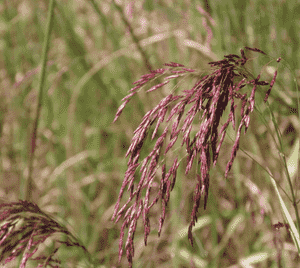
Purpletop tridens (Tridens flavus)
Also known as: Purpletop, Redtop Tridens, Sandgrass
Purpletop tridens, commonly referred to as Grease Grass, is a bunching grass well-suited for roadside environments due to its high tolerance for road salt. Its striking purple seed heads, which are coated with a greasy substance, make it visually appealing when planted in large numbers.
In This Article
Attributes of Purpletop tridens
Lifespan
Perennial
Plant Type
Herb
Plant Height
91 cm to 1.5 m
Spread
30 cm to 90 cm
Leaf Color
Green Blue
Flower Size
6 mm to 1.2 cm
Flower Color
Purple Yellow Brown Cream Red Lavender Gold
Images of Purpletop tridens
Quickly Identify Purpletop tridens
1
Distinctive reddish-purple seed heads in late summer/fall
2
Purple panicles of spikelets, up to 20 inches (50 cm) long
3
Small, dry caryopsis fruits, tan to brown, less than 0.1 inches (2.5 mm)
4
Linear green leaves, up to 16 inches (40 cm) long and 10 mm (0.4 inches) wide
5
Clumping growth habit with a sheathed appearance
Scientific Classification of Purpletop tridens
Phylum
Vascular plants
Class
Monocotyledons
Order
Poales
Family
Grass
Genus
Tridens
Species
Purpletop tridens
Planting and Growing of Purpletop tridens
Care Difficulty
Easy
Watering Schedule
Every 2 days
Sunlight Requirements
Partial sun
Sunshine Duration
6-10 hours
Ideal Temperature
60-75℉
Soil Type
Potting Mix, Peat Mix
Soil pH
6.5-7.5
Fertilizer Type
Balanced
Pruning Season
Spring, Summer
Pruning Area
Branches, Leaves
Pruning Frequency
2 times a year
Repotting Season
Spring
Pot Type
Plastic, Ceramic
 How to Water Purpletop tridens?
For Tridens flavus, aim to water until the soil is thoroughly moist but not waterlogged, which typically means around 500 ml per session for potted plants. Ensure proper drainage to avoid standing water, as soggy soil can harm the roots. Always allow the top few inches of soil to dry out between waterings to strike the right balance.
What are the symptoms of an underwatered Purpletop tridens?
›
What should I do if my Purpletop tridens is not getting enough water?
›
What are the symptoms of an overwatered Purpletop tridens?
›
How to save an overwatered Purpletop tridens?
›
 What Are the Sunlight Requirements for Purpletop tridens?
Tridens flavus thrives best in partial to full sun. Ideal lighting promotes strong growth, vibrant foliage, and robust root development, contributing to the plant's overall vitality.
More About Sunlight Requirements Techniques→
What is the optimal amount of sunlight for Tridens flavus?
›
How to ensure Tridens flavus receives ideal light?
›
What benefits does Tridens flavus gain from optimal lighting?
›
 What Is the Ideal Temperature Range for Purpletop tridens?
The ideal temperature range for Tridens flavus is between 60°F and 75°F. This range provides optimal conditions for growth by ensuring the plant has sufficient warmth to metabolize nutrients effectively. Maintaining these temperatures will support healthy photosynthesis and root development, leading to vigorous growth and robust foliage.
 What Soil is Best for Purpletop tridens?
Tridens flavus thrives in well-drained soil conditions, which avoid waterlogging and promote healthy root systems, enabling the grass to absorb nutrients effectively and grow robustly. It benefits from a nutrient-rich soil composition, as this supports vigorous growth and a healthy, lush appearance, providing the necessary minerals for optimal development. This plant prefers soils that retain moisture without becoming soggy, ensuring consistent water availability and preventing stress from drought or overwatering.
 How to Fertilize Purpletop tridens?
For Tridens flavus, the amount of fertilizer should be moderate. Use approximately 1/4 cup of liquid fertilizer per application when watering, ensuring the solution is well-diluted to protect the plant's roots from any potential chemical burns.
 How to Prune Purpletop tridens?
Begin by identifying which parts of the plant need pruning. Look for any dead, diseased, or damaged stems, as well as stems that are sprawling or crossing over each other. Make your cuts at a 45-degree angle to encourage water runoff and to prevent water from pooling in the wounds. This helps reduce the risk of rot and infection. Carefully trim to shape the plant, fostering an even, balanced appearance. Remove any wayward growth that detracts from the desired shape, ensuring that stems have adequate space for ample airflow.
More About Pruning Techniques→
 How to Propagate Purpletop tridens plant?
1
Collect seeds during late autumn when they are mature. Dry them thoroughly in a cool, dark place before storing them. Seed stratification can help break dormancy; therefore, consider cold stratification for up to 30 days.
2
Prepare a well-draining seed bed by tilling the soil to a depth of 6-8 inches. Incorporate organic matter to enhance fertility. Ensure the site receives ample sunlight, ideal for optimal growth of Tridens flavus.
3
Divide mature clumps during early spring or early summer. Using a garden fork, carefully lift the plant and separate the root ball into smaller sections, ensuring each has several shoots and a healthy root system.
 How to Repot Purpletop tridens plant?
1
Tridens flavus signals its need for repotting through signs like roots clogging drainage holes or a lack of growth in the spring. If the plant seems stunted despite proper care, it’s probably time to consider giving it more room to grow by repotting.
2
Choose a pot that is 1-2 inches larger in diameter than the current one. A pot too big can retain excess moisture, leading to root rot, while one that's too small hampers root growth. Opt for a pot with proper drainage holes to prevent waterlogging.
3
A well-draining, loamy soil mix is ideal as it balances moisture retention and air circulation for the roots. The right soil can prevent overwatering issues and support vibrant growth by ensuring the roots get enough oxygen.



