
Snake gourd (Trichosanthes cucumerina)
Also known as: Chichinda
The plant you're describing is the Snake Gourd (Trichosanthes cucumerina). This climbing plant produces long, slender gourds that can reach up to 2 meters in length. These gourds are best harvested while still young and can be consumed either cooked or raw. When mature, the gourds develop a pulp around the seeds, which is often used as a tart addition to curries. The plant's shoots and leaves are also edible and commonly used in various dishes.
In This Article
Attributes of Snake gourd
Lifespan
Annual
Plant Type
Herb, Vine
Plant Height
5 m
Spread
5 m
Leaf Color
Green
Flower Size
5 - 10 cm (2 - 4 inches)
Flower Color
White
Images of Snake gourd


Quickly Identify Snake gourd
1
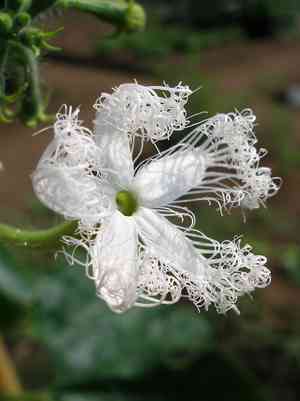
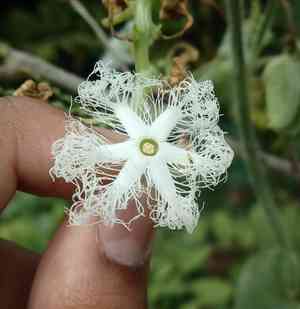
Identify Trichosanthes cucumerina by its distinctive elongated, often twisted, cucumber-like fruits. The plant has a vigorous climbing habit, with large, lobed leaves and white, fringed flowers that open at night.
Scientific Classification of Snake gourd
Phylum
Vascular plants
Class
Dicotyledons
Order
Cucurbitales
Family
Gourd
Genus
Trichosanthes
Species
Snake gourd
Planting and Growing of Snake gourd
Care Difficulty
Easy
Watering Schedule
Every 4 days
Sunlight Requirements
Partial sun
Sunshine Duration
4-6 hours
Ideal Temperature
68-86℉
Soil Type
Potting Mix, Peat Mix
Soil pH
6.5-7.5
Fertilizer Type
Balanced
Pruning Season
Spring, Summer
Pruning Area
Branches, Leaves
Pruning Frequency
2 times a year
Repotting Season
Spring
Pot Type
Plastic, Ceramic
 How to Water Snake gourd?
For Trichosanthes cucumerina, it is important to water until the soil is moist, but not soggy. Use about 500ml per session, ensuring the water penetrates at least a few inches into the soil, which helps promote deeper root growth and strengthens the plant's drought resistance.
What are the symptoms of an underwatered Snake gourd?
›
What should I do if my Snake gourd is not getting enough water?
›
What are the symptoms of an overwatered Snake gourd?
›
How to save an overwatered Snake gourd?
›
 What Are the Sunlight Requirements for Snake gourd?
Trichosanthes cucumerina ideally requires partial sunlight. Proper lighting will support its photosynthetic needs, ensuring robust growth and a healthy lifecycle.
More About Sunlight Requirements Techniques→
What type of lighting does Trichosanthes cucumerina prefer?
›
What solutions can help achieve ideal lighting for Trichosanthes cucumerina?
›
What are the benefits of providing ideal lighting for Trichosanthes cucumerina?
›
 What Is the Ideal Temperature Range for Snake gourd?
The ideal temperature range for Trichosanthes cucumerina is between 68°F to 86°F. This temperature allows the plant to thrive, ensuring optimal photosynthesis, efficient nutrient uptake, and rapid growth. Maintaining this range is crucial for flowering and fruit set, as the plant is sensitive to temperature variations around this range.
 What Soil is Best for Snake gourd?
Trichosanthes cucumerina thrives in well-drained soil to prevent root rot and other moisture-related issues. Well-drained soil ensures the roots have access to both air and moisture without being waterlogged. This plant prefers moderately fertile soil which supports healthy growth and fruiting. Adequate nutrients in the soil help in achieving vigorous vine growth and enhance fruit quality. The soil should retain sufficient moisture to sustain the plant, especially during dry spells. Consistent moisture levels improve nutrient uptake and promote steady growth.
 How to Fertilize Snake gourd?
The ideal amount of fertilizer for Trichosanthes cucumerina depends on its growth stage. During its active growth phase, you should apply half-strength liquid fertilizer every two weeks. For solid fertilizers, use around 50 grams per square meter annually, divided into quarterly applications to maintain a balanced nutrition without overwhelming the plant's roots.
 How to Prune Snake gourd?
Begin by cleaning your pruning shears with rubbing alcohol to prevent the spread of disease. Start pruning in early spring, just as the new growth begins. Focus on cutting away any dead or diseased vines to stimulate new, strong growth. Remove any lateral shoots that appear weak or are crowding the main vines. Aim to retain a few healthy main vines by trimming away excess growth for better air circulation and sunlight penetration. Finally, trim the vines to maintain your desired shape and size, being careful not to cut into the woody parts of the vine.
More About Pruning Techniques→
 How to Propagate Snake gourd plant?
1
Start by filling your seedling tray with a well-draining seed starting mix. Sow the seeds on the surface and cover them lightly with soil. Maintain moisture by regularly misting the surface.
2
Select healthy stems from your Trichosanthes cucumerina plant and cut them into 4-6 inch segments. Ensure each cutting has at least two nodes for optimal growth potential.
3
Place your prepared cuttings into a pot filled with a mix of soil and perlite. Keep the medium moist and warm, ideally maintaining a temperature range of 70-75°F for root development.
 How to Repot Snake gourd plant?
1
Trichosanthes cucumerina should be repotted when its roots begin to outgrow the pot, which is typically evident when you see roots emerging from the drainage holes or the plant's growth appears stunted. It’s best to do this in spring or summer when the plant is actively growing, as this allows it to recover more quickly from the stress of repotting.
2
Choose a pot that is one size larger than the current one and ensure it has adequate drainage holes. This prevents waterlogging and root rot, eventually promoting healthier root growth. A terracotta pot might be ideal as it allows more airflow to the roots, keeping conditions optimal for Trichosanthes cucumerina.
3
Select a well-draining, nutrient-rich soil mix to ensure the plant receives proper aeration and nutrients. A mix containing peat, perlite, and compost typically works well. This type of soil prevents water from accumulating, which reduces the risk of root rot, supporting sustained healthy growth.



