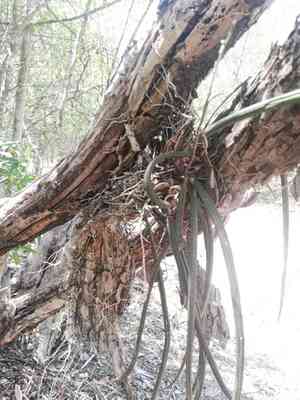
Oncidium cebolleta (Trichocentrum cebolleta)
Also known as: Mule Ears, Cowhorn Orchid
Oncidium cebolleta is an epiphytic orchid with a distinctive growth pattern, bearing clusters of strap-shaped leaves from pseudobulbs. Its hardy roots attach to tree bark, allowing it to thrive high above the forest floor. The green-yellow flowers, accented with brown markings, emerge in a fascinating display, adapted to allure pollinators in its native tropical American habitats.
In This Article
Attributes of Oncidium cebolleta
Lifespan
Perennial
Plant Type
Herb
Plant Height
10-40 cm
Spread
Not applicable for this type of plant
Leaf Color
Green
Flower Size
2-4 cm
Flower Color
Yellow Red
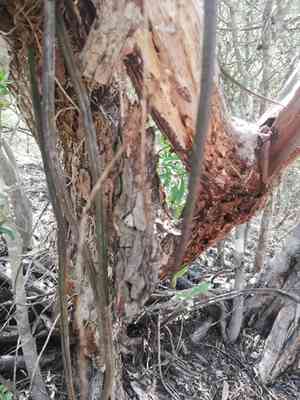
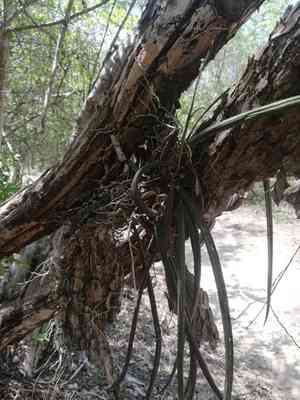
Images of Oncidium cebolleta
Quickly Identify Oncidium cebolleta
1
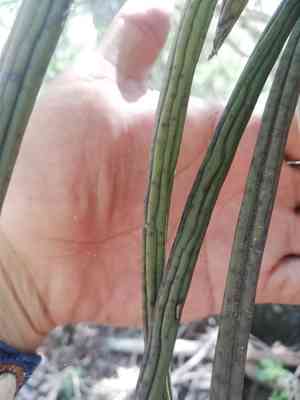
Trichocentrum cebolleta can be identified by its long, terete leaves resembling onions or garlic shoots and its distinct flowers that have a unique shape and color pattern. Look for small flowers with a potential mix of white, yellow, and brown-purple hues.
Scientific Classification of Oncidium cebolleta
Phylum
Vascular plants
Class
Monocotyledons
Order
Asparagales
Family
Orchid
Genus
Trichocentrum
Species
Oncidium cebolleta
Planting and Growing of Oncidium cebolleta
Care Difficulty
Moderate
Watering Schedule
Every 2 days
Sunlight Requirements
Partial sun
Sunshine Duration
6-10 hours
Ideal Temperature
70-85℉
Soil Type
Potting Mix, Peat Mix
Soil pH
6.5-7.5
Fertilizer Type
Balanced
Pruning Season
Spring, Summer
Pruning Area
Branches, Leaves
Pruning Frequency
2 times a year
Repotting Season
Spring
Pot Type
Plastic, Terracotta
 How to Water Oncidium cebolleta?
For Trichocentrum cebolleta, ensure that each watering involves around 100 milliliters. The amount should be enough to keep the roots damp, but it should not create water logging. Observing the media after a few hours can help to ensure it returns to a slightly moist condition without remaining saturated.
What are the symptoms of an underwatered Oncidium cebolleta?
›
What should I do if my Oncidium cebolleta is not getting enough water?
›
What are the symptoms of an overwatered Oncidium cebolleta?
›
How to save an overwatered Oncidium cebolleta?
›
 What Are the Sunlight Requirements for Oncidium cebolleta?
Trichocentrum cebolleta ideally requires partial sunlight, benefiting from 5 to 8 hours of indirect light. This light exposure bolsters photosynthesis, encouraging healthy growth patterns and beautiful floral displays.
More About Sunlight Requirements Techniques→
What is the ideal light condition for Trichocentrum cebolleta?
›
How can I replicate ideal lighting for Trichocentrum cebolleta indoors?
›
What are the benefits of achieving ideal lighting conditions for Trichocentrum cebolleta?
›
 What Is the Ideal Temperature Range for Oncidium cebolleta?
The ideal temperature range for Trichocentrum cebolleta is between 70°F to 85°F. This range provides sufficient warmth for vital functions such as photosynthesis and respiration, ensuring healthy growth and flowering of the plant.
 What Soil is Best for Oncidium cebolleta?
Trichocentrum cebolleta thrives in well-drained soil which prevents waterlogging that could lead to root rot. Good drainage mimics its natural habitat, enhancing its ability to absorb nutrients efficiently and encouraging healthy growth. A soil composition rich in organic matter ensures the plant receives the necessary nutrients required for robust growth. Organic materials like compost can enhance soil fertility, promoting a vibrant and healthy plant. The soil should have enough ability to retain moisture without becoming overly damp. This balances water availability to the roots, preventing dehydration and overwatering, both of which can stress the plant.
 How to Fertilize Oncidium cebolleta?
When fertilizing Trichocentrum cebolleta, use a balanced fertilizer at half the recommended strength on the label for liquid fertilizers. This ensures the plant receives adequate nutrients without the risk of over-fertilization, which can lead to root damage.
 How to Prune Oncidium cebolleta?
Begin by sterilizing your pruning tools to prevent disease transmission. Look for any dead, yellowing, or damaged leaves and carefully cut them away near the base. Ensure you make clean cuts to avoid damaging the plant. If necessary, prune to shape the plant for better aesthetic appeal. Focus on the spent blooms by trimming them off at the node. This act, often referred to as deadheading, encourages the growth of new flowers and prolongs the flowering season, keeping your plant looking fresh and lovely. Assess the plant's leaves and remove those that are overcrowded which might block light from reaching the inner parts of the plant. This not only improves the plant's shape but also allows for better air circulation, reducing the likelihood of fungal infections.
More About Pruning Techniques→
 How to Propagate Oncidium cebolleta plant?
1
Choose mature and healthy plants with multiple pseudobulbs. Carefully separate the bulbs, ensuring each division has its own root system, which is crucial for successful re-establishment.
2
Prepare a nutrient-rich growth medium in sterile containers. Use growth regulators to encourage cell division and differentiation, ensuring a successful culture establishment.
3
After division or tissue culture, pot the new divisions into suitable orchid mix and provide ample humidity and indirect light to reduce transplant shock and encourage growth.
 How to Repot Oncidium cebolleta plant?
1
The best time to repot Trichocentrum cebolleta is when the plant shows signs of being rootbound, such as roots growing out of the pot or poor water retention. Repot in early spring or summer to minimize stress and take advantage of the plant's active growth period.
2
Choose a pot with excellent drainage, slightly larger than the current one. Clay or plastic pots with drainage holes prevent waterlogging and allow air circulation. A snug fit encourages proper root development and prevents excessive moisture retention, which can lead to root rot.
3
Opt for a bark-based orchid mix that ensures good aeration and drainage. Such a medium mimics the plant's natural epiphytic conditions, reducing the risk of root rot by allowing the roots to breathe and the water to drain quickly.



