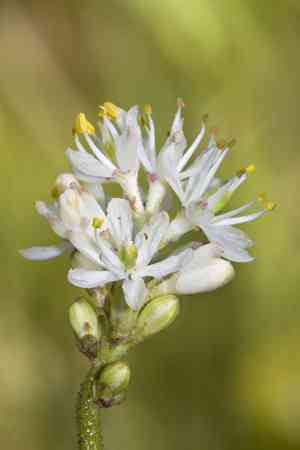
Western false asphodel (Triantha occidentalis)
Also known as: Tofieldia
The Western false asphodel, a slender perennial herb, is well-suited to moist, boggy environments such as wetlands, fens, and wet meadows. It features tall, grass-like leaves and clusters of small, star-shaped white or pinkish flowers that bloom in the summer. These delicate flowers attract pollinators, while the plant’s sticky stems can trap small insects, suggesting a possible carnivorous trait for additional nutrient intake. This plant is commonly found along the western coast of North America, from Alaska to California.
In This Article
Attributes of Western false asphodel
Lifespan
Perennial
Plant Type
Herb
Plant Height
30-60 cm
Spread
N/A
Leaf Color
Green
Flower Size
0.6-1 cm
Flower Color
White
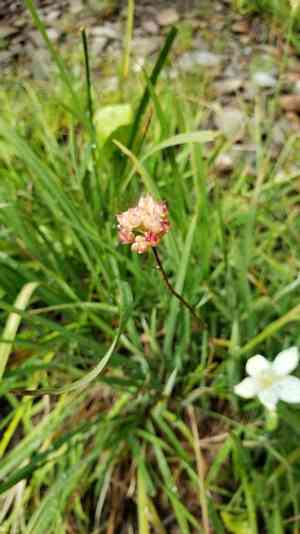
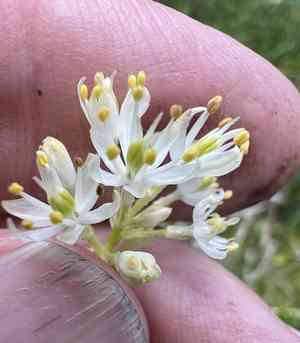
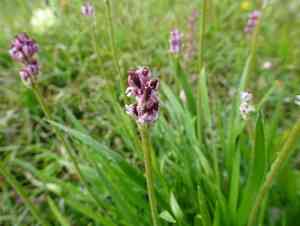
Images of Western false asphodel
Quickly Identify Western false asphodel
1
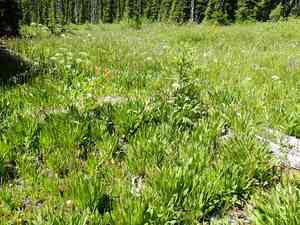
Triantha occidentalis can be identified by its small, white flowers arranged in a raceme, erect and slender stems, and long, grass-like leaves at the base of the plant.
Scientific Classification of Western false asphodel
Phylum
Vascular plants
Class
Monocotyledons
Order
Alismatales
Family
Tofieldia
Genus
False asphodels
Species
Western false asphodel
Planting and Growing of Western false asphodel
Care Difficulty
Moderate
Watering Schedule
Every 4 days
Sunlight Requirements
Partial sun
Sunshine Duration
6-10 hours
Ideal Temperature
60-75℉
Soil Type
Potting Mix, Peat Mix
Soil pH
5.5-7
Fertilizer Type
Balanced
Pruning Season
Spring, Summer
Pruning Area
Branches, Leaves
Pruning Frequency
2 times a year
Repotting Season
Spring
Pot Type
Plastic, Ceramic
 How to Water Western false asphodel?
Triantha occidentalis prefers moist soil environments, requiring around 200 ml of water each time. Ensure the soil is thoroughly moist but not waterlogged, as excess water may lead to root rot.
What are the symptoms of an underwatered Western false asphodel?
›
What should I do if my Western false asphodel is not getting enough water?
›
What are the symptoms of an overwatered Western false asphodel?
›
How to save an overwatered Western false asphodel?
›
 What Are the Sunlight Requirements for Western false asphodel?
Partial sun is optimal, allowing the plant to develop both lush foliage and flowers. Ideal lighting supports robust growth and enhances its natural beauty.
What is the best amount of sunlight for Triantha occidentalis?
›
What are the methods to achieve ideal lighting for Triantha occidentalis?
›
What are the benefits of ideal lighting for Triantha occidentalis?
›
 What Is the Ideal Temperature Range for Western false asphodel?
Triantha occidentalis thrives best within temperatures ranging from 60°F to 75°F. This range allows the plant to conduct photosynthesis efficiently, maintain cell function, and promote robust development. It is crucial to keep the plant within this temperature range to optimize its growth and prevent stress-induced issues.
 What Soil is Best for Western false asphodel?
Triantha occidentalis thrives in soil that retains moisture well. This is crucial for ensuring that the plant remains hydrated, especially during dry spells, optimizing its growth and vitality. The plant prefers nutrient-rich soil to support its growth. A soil abundant in organic matter will provide essential nutrients, fostering strong and healthy development of the plant. Good drainage is essential to prevent waterlogging, which can lead to root rot. Well-drained soil allows excess water to escape, maintaining a balanced moisture level beneficial for the plant.
 How to Fertilize Western false asphodel?
Triantha occidentalis thrives with a modest amount of nutrients. For liquid fertilizer, use a balanced 10-10-10 (NPK) ratio diluted to half-strength. Apply about 200 ml per plant. This helps in maintaining healthy foliage without risking nutrient burn. For slow-release fertilizer, use 10 grams spread evenly across the root zone.
 How to Prune Western false asphodel?
Begin by identifying any dead, diseased, or damaged leaves and stems. Removing these parts can prevent the spread of infection and encourage new, robust growth. Prune to maintain the plant's natural shape by selectively cutting back overgrown or awkwardly positioned branches. This helps the plant look tidy and enhances its overall structure.
More About Pruning Techniques→
 How to Propagate Western false asphodel plant?
1
Collect seeds from mature Triantha occidentalis plants once they have dried on the plant. Clean the seeds by removing any surrounding chaff or debris to enhance germination success. Soak the seeds in water overnight to improve germination rates and remove any seed coat inhibitors that might prevent sprouting.
2
Fill a seed tray with a well-draining seed-starting mix and sow the Triantha occidentalis seeds evenly on the surface. Lightly cover the seeds with a thin layer of vermiculite or additional seed-starting mix. Mist the surface to ensure the seeds have adequate moisture. Place the tray in a warm area with indirect sunlight.
3
To propagate via division, carefully remove a mature Triantha occidentalis plant from the ground. Gently separate the rhizomes, ensuring that each division has both roots and shoots. Plant the separated divisions back into the soil, spaced adequately to allow for full growth, and water thoroughly to settle the soil around the roots.
 How to Repot Western false asphodel plant?
1
Triantha occidentalis signals for repotting include roots growing out of the drainage holes or the soil drying out too quickly. This typically occurs every 2-3 years. Spring and Autumn are the best seasons for repotting as the plant is either coming out of dormancy or preparing for a new growth cycle.
2
Select a pot that is one to two inches larger in diameter than the current one. The pot should have adequate drainage holes to prevent waterlogging, promoting healthier root growth. Using breathable materials like terracotta can also benefit water regulation.
3
Opt for a moist, well-draining soil mix that mimics the plant's natural habitat. A blend of peat moss, perlite, and vermiculite ensures the soil retains adequate moisture while providing sufficient drainage, which is key to Triantha occidentalis's health.
Learn More About Western false asphodel Diseases
Anthracnose
Bacterial Leaf Spot
Bacterial Soft Rot
Bacterial Wilt
Chemical Injury
Crown Gall
Cyst Nematode
Damping-off
Downy Mildew
Drought Stress
Fusarium Wilt
Gray Mold
Leaf Curl
Leaf Spot
Mosaic
Nutrient Deficiency
Nutrient Toxicity
Powdery Mildew
Root Rot
Root-knot Nematode
Rusts
Sooty Mold
Spider Mites
Temperature Stress
Thrips Damage
White Mold



