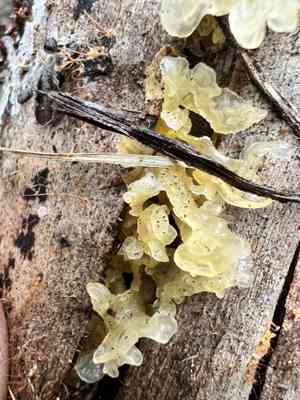
Snow fungus (Tremella fuciformis)
Also known as: Silver ear fungus, Snow mushroom, White muer
Snow fungus (Tremella fuciformis), named for its snow-like appearance, thrives in warm, tropical, and subtropical climates worldwide. Despite its mild flavor, it is widely used in East Asian cuisine, particularly in soups and desserts, for its unique, gelatinous texture. It is often cultivated for this purpose, adding a smooth, thickening quality to various dishes.
In This Article
Attributes of Snow fungus
Lifespan
Perennial
Plant Height
4 cm
Spread
7.5 cm
Leaf Color
Not applicable, it does not have leaves.
Flower Size
Not applicable, it does not produce flowers.
Flower Color
Not applicable, it does not produce flowers.
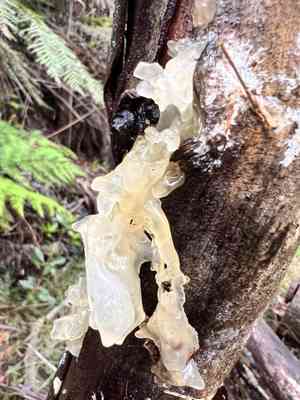
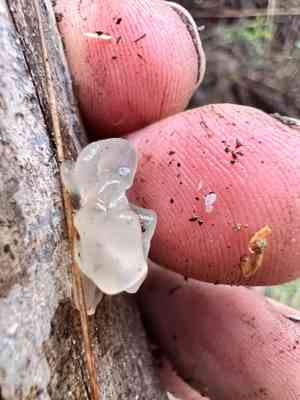
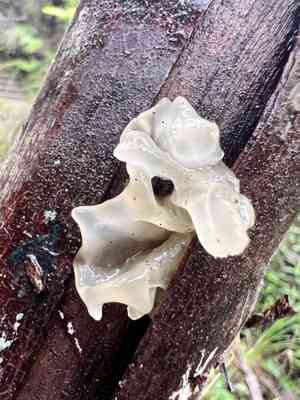
Images of Snow fungus
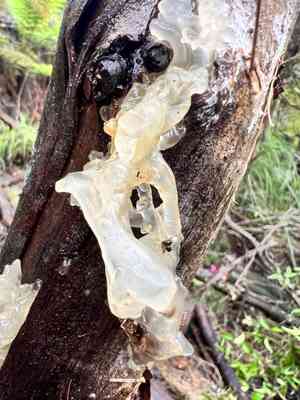
Quickly Identify Snow fungus
1
Tremella fuciformis can be identified by its white to pale yellow gelatinous fruiting body that is often lobed and convoluted, resembling a jelly-like mass.
Scientific Classification of Snow fungus
Phylum
Club fungi
Class
Tremellomycetes
Order
Jelly fungi
Family
Tremellaceae
Genus
Tremella
Species
Snow fungus
Planting and Growing of Snow fungus
Care Difficulty
Moderate
Watering Schedule
Every 2 days
Sunlight Requirements
Partial sun
Sunshine Duration
6-12 hours
Ideal Temperature
77-86℉
Soil Type
Potting Mix, Peat Mix
Soil pH
6.5-7.5
Fertilizer Type
Balanced
Pruning Season
Spring, Summer
Pruning Area
Branches, Leaves
Pruning Frequency
2 times a year
Repotting Season
Spring
Pot Type
Plastic, Ceramic
 How to Water Snow fungus?
When watering Tremella fuciformis, it's essential to ensure the growing medium is thoroughly soaked but not waterlogged. The ideal approach is to water until 200 ml of water has been absorbed, ensuring the substrate is evenly moist without excess water draining out.
What are the symptoms of an underwatered Snow fungus?
›
What should I do if my Snow fungus is not getting enough water?
›
What are the symptoms of an overwatered Snow fungus?
›
How to save an overwatered Snow fungus?
›
 What Are the Sunlight Requirements for Snow fungus?
Tremella fuciformis ideally enjoys partial sun with 3 to 4 hours of sunlight. Proper lighting promotes healthy development and vigorous fruiting, which enhances both aesthetic and functional plant attributes.
What is the ideal light level for Tremella fuciformis?
›
How can I achieve ideal lighting for Tremella fuciformis?
›
What are the benefits of providing ideal lighting?
›
 What Is the Ideal Temperature Range for Snow fungus?
Tremella fuciformis, also known as the Snow Fungus, thrives in warm and humid environments. The optimal temperature range for its cultivation is between 77°F and 86°F. This ensures not only proper growth but also a higher quality of harvested fungus. Maintaining this temperature allows the fungus to metabolize nutrients efficiently, producing large, healthy fruiting bodies. Within this range, the risk of contamination and disease is also minimized, leading to a successful harvest.
 What Soil is Best for Snow fungus?
Tremella fuciformis thrives in nutrient-rich soils that provide ample organic matter. This condition supports the fungal growth that is essential for its development and enables it to form its jelly-like structures more effectively. Consistent moisture in the soil is crucial for Tremella fuciformis. The soil should retain moisture yet drain well to prevent waterlogging, which helps maintain the appropriate hydration for optimal growth. While moisture is important, the soil must also allow for proper drainage. Excess water can lead to rot and other fungal issues, so a balance in moisture retention and drainage is key to the plant's health.
 How to Fertilize Snow fungus?
For Tremella fuciformis, it is crucial to provide a balanced amount of nutrients. Use a 10-10-10 NPK ratio fertilizer. For liquid fertilizer, apply at a rate of 1 tablespoon per gallon of water every two weeks. This ensures consistent nutrient availability without overwhelming the plant.
 How to Prune Snow fungus?
Start by identifying and removing any dead or diseased sections of Tremella fuciformis. This includes any discolored, brittle, or malformed portions. Carefully cut these parts away to prevent the spread of disease. To encourage healthy growth, trim back any sections that are overly dense or crowded. By doing so, you are ensuring that light and air can reach all parts of the plant, which reduces the risk of mold and fungal infections. Trim the Tremella fuciformis to maintain a desired shape and size. This will not only help in aesthetics but also improve the overall energy distribution within the plant allowing it to focus on developing healthier and stronger portions.
 How to Propagate Snow fungus plant?
1
The first step involves preparing a nutrient-rich culture media that supports the growth and development of Tremella fuciformis tissue. This media should be sterilized and supplemented with the necessary nutrients to promote the growth of Tremella cells effectively.
2
Select healthy Tremella fuciformis tissue for propagation, ensuring no signs of disease or degradation. Sterilize the tissue using an appropriate disinfectant to eliminate any surface contaminants that could inhibit successful tissue culture.
3
The sterilized Tremella tissue is placed in culture vessels containing the prepared media under a sterile laminar flow hood. Ensure that the environment remains contamination-free during inoculation to facilitate healthy tissue growth in the culture vessels.
 How to Repot Snow fungus plant?
1
Tremella fuciformis exhibits signs for repotting when its growth slows down or the mycelium outgrows its current container. Look for visible signs of white mycelium reaching the edges or any compact soil indicating a lack of space. Repotting during active growth seasons of spring or summer helps it acclimate better to its new home. Waiting too long can stress the fungus, hindering its ability to thrive.
2
Choose a pot that provides ample room for the mycelium to spread, ideally 2 inches larger in diameter than the current one. Opt for a pot with multiple drainage holes to prevent water stagnation. This ensures the fungal growth isn’t hindered by excess moisture, which is crucial for the healthy development of Tremella fuciformis and prevents root rot.
3
The ideal soil for Tremella fuciformis should be a moist, well-draining mix that mimics its natural habitat. A blend of organic soil with bark or wood chips works well, providing both nutrition and the right aeration. This combination ensures adequate water retention without suffocating the roots, promoting healthy and vigorous mycelial growth.

