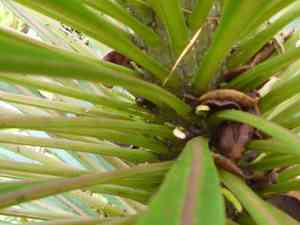
Wai'anae mountains false lobelia (Trematolobelia kaalae)
Also known as: Kaala Lobelia
The Wai'anae Mountains false lobelia (Trematolobelia singularis) is a rare plant native to the highlands of O‘ahu's Wai‘anae Range in Hawaii. It features a rosette of slender, toothed leaves and produces tall stalks adorned with small, tubular purple-blue flowers. This resilient species prospers in the moist, montane forests and shrublands, often on rocky, steep slopes, where it can endure the cool, misty conditions typical of its environment.
In This Article
Attributes of Wai'anae mountains false lobelia
Lifespan
Perennial
Plant Type
Shrub
Plant Height
2 to 4 feet
Spread
N/A
Leaf Color
Dark green
Flower Size
Up to 2 inches
Flower Color
Blue, purple
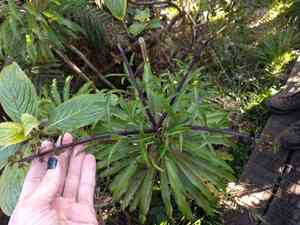
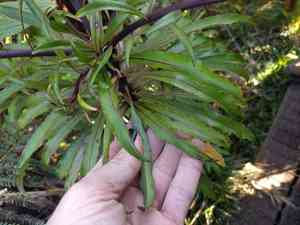
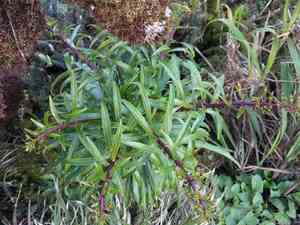
Images of Wai'anae mountains false lobelia
Quickly Identify Wai'anae mountains false lobelia
1
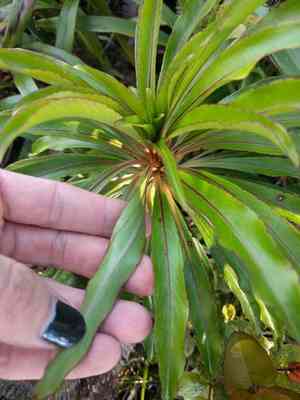
Trematolobelia kaalae can be identified by its long, narrow leaves and striking tubular flowers that are typically blue to purple in color. The plant also has a distinct, woody stem.
Scientific Classification of Wai'anae mountains false lobelia
Phylum
Vascular plants
Class
Dicotyledons
Order
Asterales
Family
Bellflower
Genus
False lobelia
Species
Wai'anae mountains false lobelia
Planting and Growing of Wai'anae mountains false lobelia
Care Difficulty
Hard
Watering Schedule
Every 4 days
Sunlight Requirements
Partial sun
Sunshine Duration
6-10 hours
Ideal Temperature
68-77℉
Soil Type
Potting Mix, Peat Mix
Soil pH
6.5-7.5
Fertilizer Type
Balanced
Pruning Season
Spring, Summer
Pruning Area
Branches, Leaves
Pruning Frequency
2 times a year
Repotting Season
Spring
Pot Type
Plastic, Ceramic
 How to Water Wai'anae mountains false lobelia?
For Trematolobelia kaalae, ensure each watering saturates the soil to a depth of about an inch. This ensures that the roots have ample access to moisture while preventing waterlogging. Typically, about 300 ml of water per session is ideal to achieve this balance without overwatering.
What are the symptoms of an underwatered Wai'anae mountains false lobelia?
›
What should I do if my Wai'anae mountains false lobelia is not getting enough water?
›
What are the symptoms of an overwatered Wai'anae mountains false lobelia?
›
How to save an overwatered Wai'anae mountains false lobelia?
›
 What Are the Sunlight Requirements for Wai'anae mountains false lobelia?
Trematolobelia kaalae thrives in areas with partial sun or full shade, optimizing growth and flowering. Ideal lighting fosters lush foliage and strong resistance to environmental stress.
How much sun does Trematolobelia kaalae need?
›
Why is filtering sunlight important for Trematolobelia kaalae?
›
What are the benefits of ideal lighting for Trematolobelia kaalae?
›
 What Is the Ideal Temperature Range for Wai'anae mountains false lobelia?
Trematolobelia kaalae thrives in a controlled environment where temperatures remain between 68°F and 77°F. This range ensures optimal metabolic activity and growth patterns, providing an environment where photosynthesis and nutrient uptake can occur without stress. Maintaining this temperature helps the plant avoid thermal shock and promotes a healthy lifecycle.
 What Soil is Best for Wai'anae mountains false lobelia?
Trematolobelia kaalae requires well-draining soil to prevent waterlogging. This need is crucial because stagnant water can lead to root rot and decrease the overall health of the plant. This plant thrives in soil that is rich in organic matter. A fertile composition ensures the plant receives ample nutrients, promoting vigorous growth and vibrant blooms. While drainage is essential, the soil should retain enough moisture to support the plant during dry spells. This balance helps maintain hydration and supports overall plant resilience.
 How to Fertilize Wai'anae mountains false lobelia?
For Trematolobelia kaalae, the appropriate amount of fertilization is crucial for its healthy growth. This plant prefers a balanced fertilizer, potentially a 10-10-10 NPK, applied with caution. Use approximately 1 teaspoon of liquid fertilizer per gallon of water. For slow-release pellets, 1/4 cup per plant per year is sufficient.
 How to Prune Wai'anae mountains false lobelia?
Remove any dead, damaged, or diseased foliage carefully to improve air circulation, which mitigates disease risks. Selectively trim back stems to maintain a balanced shape and encourage fuller growth, aiming to enhance the plant's natural form. Throughout the growing season, pinch back the tips of young shoots. This action encourages Trematolobelia kaalae to produce additional branches, creating a bushier, more aesthetically pleasing plant profile with an increased number of blooms.
 How to Propagate Wai'anae mountains false lobelia plant?
1
Collect the seeds from mature Trematolobelia kaalae plants. Ensure the seeds are dry before storing them in a cool, dry place until ready for planting.
2
Prepare a well-draining potting soil mix and fill the seed trays. Level the soil surface to ensure even seed distribution during planting.
3
Place the seeds evenly on the soil surface and cover them lightly with soil. Firm the soil gently to ensure good contact between the seeds and the soil.
 How to Repot Wai'anae mountains false lobelia plant?
1
Repotting should be considered when the roots begin to circle the inside of the pot or poke through the drainage holes. Another indication is when the growth appears stunted or the potting medium breaks down beyond repair. Spring and summer are the ideal seasons to provide this plant with a fresh start and room to grow.
2
Choose a pot that is 1-2 inches larger in diameter than the current one. Ensure it has good drainage to prevent waterlogging. The ideal choice would be a material like clay that can help moderate moisture levels.
3
Opt for a well-draining, acidic soil mix, rich in organic matter. This ensures nutrients are readily available, which supports the vibrant growth Trematolobelia kaalae is known for. Soil with good drainage mimics its natural habitat, preventing root rot.
Learn More About Wai'anae mountains false lobelia Diseases
Anthracnose
Bacterial Leaf Spot
Bacterial Soft Rot
Bacterial Wilt
Black Spot
Chemical Injury
Crown Gall
Damping-off
Downy Mildew
Drought Stress
Fusarium Wilt
Gray Mold
Leaf Curl
Leaf Spot
Mosaic
Nutrient Deficiency
Nutrient Toxicity
Powdery Mildew
Root Rot
Root-knot Nematode
Rusts
Sooty Mold
Spider Mites
Temperature Stress
Thrips Damage
White Mold



