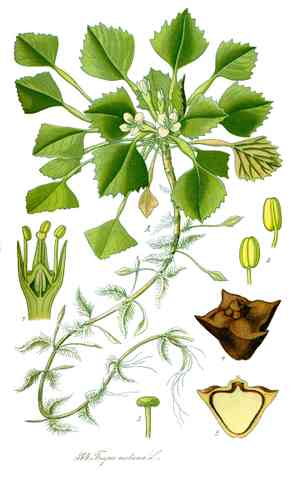
Water chestnut (Trapa natans)
Also known as: Horn nut, Water caltrop
The plant you're looking for is the water chestnut (Trapa natans). This annual aquatic plant is native to parts of Asia and Europe, thriving in slow-moving waters. It has been cultivated for its seeds for over 3,000 years in regions like China and South Asia.
In This Article
Attributes of Water chestnut
Lifespan
Perennial, Annual
Plant Type
Herb
Plant Height
3.5 m to 4.5 m
Spread
2.5 m to 5 m
Leaf Color
Green Red
Flower Size
2.5 cm
Flower Color
White
Images of Water chestnut
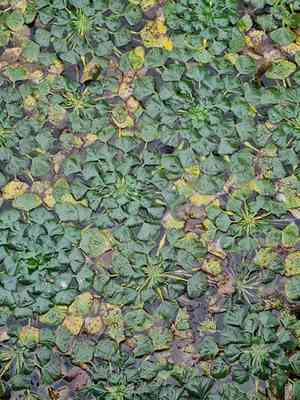
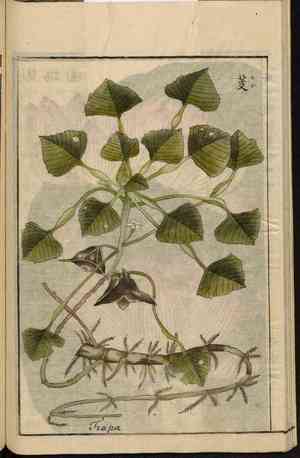
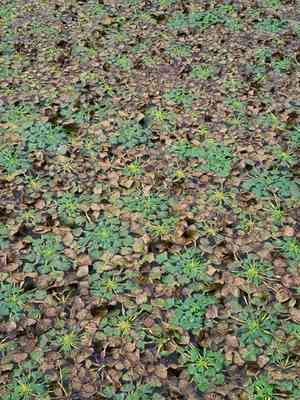
Quickly Identify Water chestnut
1
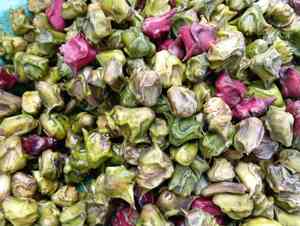
To identify Trapa natans, look for its floating leaf rosettes with triangular, serrated leaves and small white flowers. The nuts are rough and hard, with two or more sharp spines.
Scientific Classification of Water chestnut
Phylum
Vascular plants
Class
Dicotyledons
Order
Myrtle order
Family
Loosestrife
Genus
Water caltrop
Species
Water chestnut
Planting and Growing of Water chestnut
Care Difficulty
Easy
Watering Schedule
Every 8 days
Sunlight Requirements
Full sun
Sunshine Duration
4-8 hours
Ideal Temperature
68-77℉
Soil Type
Potting Mix, Peat Mix
Soil pH
6.5-7.5
Fertilizer Type
Balanced
Pruning Season
Spring, Summer
Pruning Area
Branches, Leaves
Pruning Frequency
2 times a year
Repotting Season
Spring
Pot Type
Plastic, Ceramic
 How to Water Water chestnut?
Trapa natans, commonly known as water chestnut, thrives in submerged environments. Ensure about 500 ml of water consistently keeps the soil moist, replicating its natural habitat where it floats on aquatic surfaces.
What are the symptoms of an underwatered Water chestnut?
›
What should I do if my Water chestnut is not getting enough water?
›
What are the symptoms of an overwatered Water chestnut?
›
How to save an overwatered Water chestnut?
›
 What Are the Sunlight Requirements for Water chestnut?
Ideally, Trapa natans benefits from partial to full sun. Receiving balanced sun exposure can enhance its photosynthetic capacity, ensuring vibrant and resilient growth patterns and preventing leaf discoloration or growth anomalies.
More About Sunlight Requirements Techniques→
Best Time for Sun Exposure
›
Ideal Placement for Growth
›
Light Intensity Adjustment
›
 What Is the Ideal Temperature Range for Water chestnut?
The ideal temperature for Trapa natans, also known as water chestnut, is between 68°F and 77°F. In this range, the plant can absorb nutrients efficiently and maintain healthy growth. The right temperature ensures that the enzyme activities and metabolic processes of the plant remain optimal.
 What Soil is Best for Water chestnut?
Water chestnut thrives in nutrient-rich soil, which provides the essential elements for optimal growth and fruit production. Ensuring soil is well-fertilized results in healthier plants and more abundant harvests. The soil should retain moisture well, as Trapa natans is an aquatic plant. Consistent moisture levels promote vigorous root development and can prevent the plant from becoming stressed due to water fluctuations. Even though it requires moist conditions, the soil must offer adequate aeration. This prevents root rot and allows essential gas exchange to occur, thus increasing the plant’s health and longevity.
More About Soil→
 How to Fertilize Water chestnut?
For Trapa natans, apply liquid fertilizer at half the recommended rate for houseplants, typically about 5 ml per gallon of water. For slow-release fertilizers, use approximately 10 grams per plant. This helps keep the nutrient levels balanced in the water and substrate.
 How to Prune Water chestnut?
Be aware of the ecological implications of excessive pruning. Trapa natans provide habitat for aquatic insects and small fish. Over-pruning can disturb these ecosystems and lead to reduced biodiversity. While trimming, ensure your safety by watching out for slippery surfaces around the water body. Wear appropriate footwear to prevent accidents and avoid reaching too far to maintain your balance.
More About Pruning Techniques→
 How to Propagate Water chestnut plant?
1
Collect mature seeds from existing water chestnut plants during late summer or early autumn when they are fully developed. Ensure the seeds are dried and stored in a cool, dry place until planting season.
2
Sow the seeds in seed trays filled with aquatic compost in late spring. Ensure each seed is placed on top of the compost and lightly pressed to maintain contact, but not buried. This encourages proper germination.
3
Keep the seed trays in a sunny area and maintain a consistent water level to cover the seeds. Watering should mimic natural aquatic conditions, ensuring seeds remain moist but not submerged completely.
 How to Repot Water chestnut plant?
1
Trapa natans shows clear signs when it needs repotting, like slowed growth or when roots start to emerge from drainage holes. Typically, it's time to repot every one to two years for optimal health and buoyancy.
2
Choose a wide and shallow pot to mimic Trapa natans' natural habitat, allowing room for its floating leaves. Ensure the pot has good drainage to prevent root rot, which can occur in waterlogged soils.
3
Select a rich, loamy soil mixture that retains moisture while also providing good aeration. This soil type supports root development and offers essential nutrients, mirroring its natural swampy environment.



