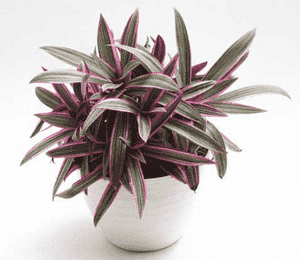
Oyster plant (Tradescantia spathacea)
Also known as: Moses-in-the-cradle
The oyster plant, originally from Belize, Guatemala, and Mexico, is commonly grown in gardens and has become naturalized in the southeastern United States. While it hasn't caused notable ecological harm, it is regarded as invasive in Florida and Louisiana because of its prevalence.
Attributes of Oyster plant
Images of Oyster plant
Quickly Identify Oyster plant
Scientific Classification of Oyster plant
Planting and Growing of Oyster plant
 How to Water Oyster plant?
 What Are the Sunlight Requirements for Oyster plant?
 What Is the Ideal Temperature Range for Oyster plant?
 What Soil is Best for Oyster plant?
 How to Fertilize Oyster plant?
 How to Prune Oyster plant?
 How to Propagate Oyster plant plant?
 How to Repot Oyster plant plant?
Toxicity of Oyster plant
Is Oyster plant toxic to cat?
The oyster plant presents a significant health hazard to cats and is categorized as a plant with known toxicity. If cats inadvertently consume any part of the oyster plant, especially its sap or juice, this can lead to poisoning. Indicators of such poisoning typically manifest as visible signs of discomfort. It is essential for cat owners to remain alert and prevent their pets from nibbling on or swallowing any portion of the oyster plant. If poisoning by oyster plant is suspected, it is imperative to act quickly by seeking immediate professional assistance from a veterinary hospital to safeguard the health and well-being of the affected cat.
Is Oyster plant toxic to dog?
The oyster plant is known to be toxic to dogs. If dogs consume any part of the oyster plant, they may face dangers of poisoning due to the sap or juice contained within the plant. This ingestion can trigger a range of symptoms, which may include vomiting, diarrhea, excessive drooling, and potentially dermatitis if there is skin contact. Therefore, it is essential for dog owners to be alert and keep their pets away from the oyster plant. Should a dog touch or ingest this plant, it is vital to obtain immediate veterinary assistance to ensure the best possible outcome for the animal.



