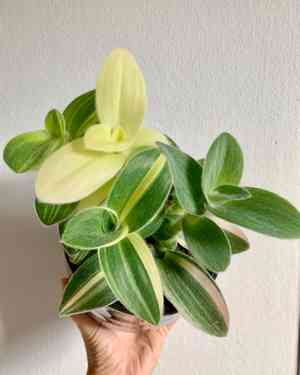
White velvet (Tradescantia sillamontana)
Also known as: Cobweb spiderwort
White velvet (Tradescantia sillamontana) is a perennial evergreen species native to northeastern Mexico. White velvet can grow in areas with very little water and is one of the most drought-tolerant species in its genus. This species won't flower if it is given too much water or too much shade. White velvet is a popular plant in ornamental rock gardens in subtropical regions and in Europe.
Attributes of White velvet
Images of White velvet
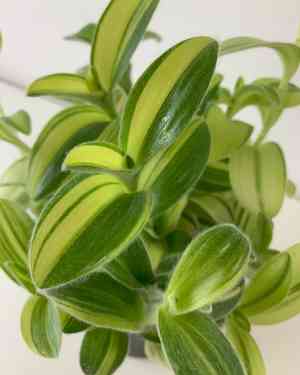
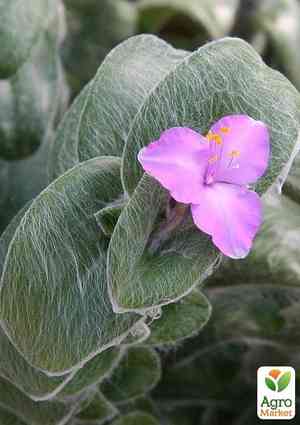
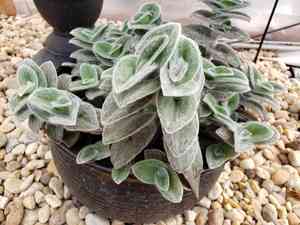
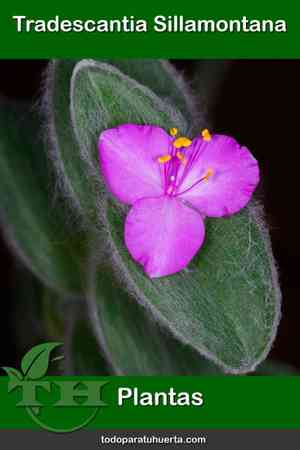
Quickly Identify White velvet
Scientific Classification of White velvet
Toxicity of White velvet
Is White velvet toxic to cat?
The plant known as white velvet is regarded as toxic to felines. When cats consume portions of this plant, especially the sap or juice, it can lead to poisoning. If a cat unintentionally ingests any part of white velvet, it may exhibit signs of discomfort or illness. To safeguard the health of cats, it is vital to restrict their access to this plant. In cases of suspected poisoning, seeking immediate veterinary assistance is crucial, as timely treatment at a veterinary facility is essential for the cat's health.
Is White velvet toxic to dog?
White velvet is deemed toxic for dogs. When dogs inadvertently consume any part of this plant, they face a poisoning risk because of the harmful sap or juice found within its tissues. Symptoms of poisoning in dogs can manifest as vomiting, diarrhea, excessive drooling, lethargy, and abdominal discomfort. It is essential for dog owners to remain watchful and prevent their pets from chewing or consuming any portion of white velvet. Should a dog have contact with the plant and show signs of distress, it is vital to seek prompt veterinary care to guarantee the best possible outcome for the affected dog.

