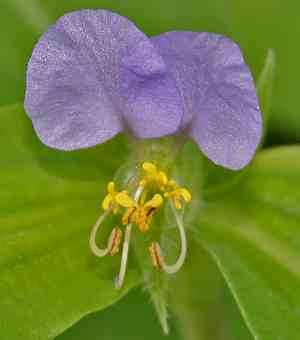
Reverchon's spiderwort (Tradescantia reverchonii)
Also known as: Reverchon's Spiderwort
Reverchon's spiderwort is a perennial herb known for its elongated, thin stems and lance-shaped leaves that often display a bluish-gray tint. It produces clusters of small, three-petaled flowers in shades of purplish-pink, which are highly attractive to a variety of pollinators. This plant thrives in rocky or sandy soils and is well-suited to dry conditions, making it a hardy addition to naturalistic garden settings.
In This Article
Attributes of Reverchon's spiderwort
Lifespan
Perennial
Plant Type
Herb
Plant Height
30-60 cm
Spread
20-30 cm
Leaf Color
Green
Flower Size
2-3 cm
Flower Color
Blue, Violet
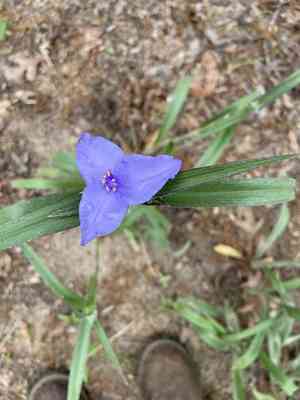
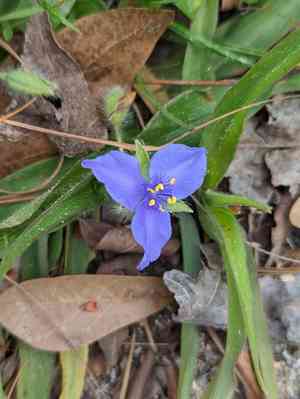
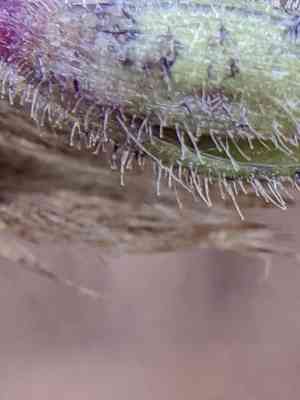
Images of Reverchon's spiderwort
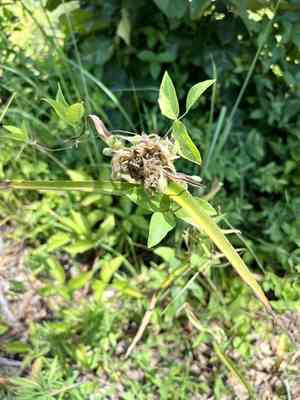
Quickly Identify Reverchon's spiderwort
1
Tradescantia reverchonii can be identified by its slender, grass-like leaves and bright blue to violet, three-petaled flowers. The flowers typically bloom in the morning and close by late afternoon.
Scientific Classification of Reverchon's spiderwort
Phylum
Vascular plants
Class
Monocotyledons
Order
Commelinales
Family
Spiderwort
Genus
Spiderworts
Species
Reverchon's spiderwort
Planting and Growing of Reverchon's spiderwort
Care Difficulty
Easy
Watering Schedule
Every 3 days
Sunlight Requirements
Partial sun
Sunshine Duration
6-8 hours
Ideal Temperature
65-75℉
Soil Type
Potting Mix, Peat Mix
Soil pH
6-8
Fertilizer Type
Balanced
Pruning Season
Spring, Summer
Pruning Area
Branches, Leaves
Pruning Frequency
2 times a year
Repotting Season
Spring
Pot Type
Plastic, Ceramic
 How to Water Reverchon's spiderwort?
Tradescantia reverchonii prefers to keep the soil consistently moist, yet not waterlogged. Aim for about 200ml each watering, so the water reaches the roots without causing pooling. Ensure excess water drains well.
What are the symptoms of an underwatered Reverchon's spiderwort?
›
What should I do if my Reverchon's spiderwort is not getting enough water?
›
What are the symptoms of an overwatered Reverchon's spiderwort?
›
How to save an overwatered Reverchon's spiderwort?
›
 What Are the Sunlight Requirements for Reverchon's spiderwort?
Tradescantia reverchonii thrives best under partial sun conditions, meaning it should ideally receive 4-6 hours of sunlight per day. Proper light enhances the plant’s vibrancy and resilience.
What is the ideal sunlight for Tradescantia reverchonii?
›
How can I achieve the recommended lighting for Tradescantia reverchonii?
›
What benefits come from providing ideal lighting conditions for Tradescantia reverchonii?
›
 What Is the Ideal Temperature Range for Reverchon's spiderwort?
The ideal temperature range for Tradescantia reverchonii growth is between 65°F and 75°F. These temperatures allow optimal metabolic processes and photosynthesis in the plant. Maintaining this range ensures robust growth and vibrant foliage.
 What Soil is Best for Reverchon's spiderwort?
Tradescantia reverchonii thrives in well-draining soil, preventing root rot and allowing roots to access air efficiently. Enhanced drainage ensures optimal growth and lush foliage. While drainage is crucial, the soil should retain enough moisture to sustain the plant. This balance helps maintain consistent hydration, crucial for its health and vitality. A nutrient-rich soil supports vigorous growth by providing essential minerals and organic matter. This boosts the plant's resilience against diseases and promotes vibrant blooms.
 How to Fertilize Reverchon's spiderwort?
For Tradescantia reverchonii, the right amount of fertilizer is crucial. Use a balanced liquid fertilizer diluted to half the strength to avoid overfeeding. Apply this sparingly and focus more on healthy soil as the plant primarily requires nutritional support during its growing seasons.
 How to Prune Reverchon's spiderwort?
Begin pruning Tradescantia reverchonii by identifying leggy, overgrown stems. Use sharp, clean scissors or pruning shears to cut these back to just above a leaf node, which will stimulate new growth and result in a fuller plant. Remove any dead or damaged leaves at the base, and pinch off the growing tips of the stems to control plant height and encourage bushiness. Regularly check the plant and repeat this process to maintain its shape and health.
More About Pruning Techniques→
 How to Propagate Reverchon's spiderwort plant?
1
Gather seeds from mature plants after they have fully ripened. Clean and dry the seeds thoroughly before storing them in a cool, dry place until ready for planting. This helps improve germination rates and prevents mold growth on stored seeds.
2
Using sanitized pruning shears, take 3-4 inch cuttings from healthy stems, ideally just below a node. Remove any lower leaves to reduce the risk of rotting, and optionally dip the cut end in rooting hormone to encourage faster root development.
3
Gently remove the plant from its pot and separate it into smaller sections, ensuring each section has both leaves and roots. Replant each section into new pots with fresh soil, water thoroughly, and place in a location with appropriate light.
 How to Repot Reverchon's spiderwort plant?
1
Tradescantia reverchonii should be repotted when you see roots emerging from the drainage holes or when its growth stagnates despite optimal conditions. These signs indicate restricted root space, necessitating a larger container to thrive. Timely repotting during these signals ensures its vibrant growth and prevents root binding.
2
Select a pot that is just slightly larger than the current one, with several drainage holes to prevent waterlogging. Opting for terracotta pots offers the benefit of breathability, allowing excess moisture to evaporate, thus reducing the risk of root rot while also providing stability to the plant as it grows.
3
Tradescantia reverchonii thrives in well-draining potting soil with a mix that includes perlite or sand. This mixture ensures adequate aeration and drainage, preventing water from pooling around the roots, which could lead to root rot. A well-drained soil mix is key for maintaining root health and promoting healthy plant growth.
Toxicity
Ingestion
WARNING
The judgment on toxicity and danger is for reference only. We DO NOT GUARANTEE any accuracy of such judgment. Therefore, you SHALL NOT rely on such judgment. It is IMPORTANT TO SEEK PROFESSIONAL ADVICE in advance when necessary.
Learn More About Reverchon's spiderwort Diseases
Anthracnose
Bacterial Leaf Spot
Bacterial Soft Rot
Damping-off
Downy Mildew
Drought Stress
Fusarium Wilt
Gray Mold
Leaf Curl
Leaf Spot
Mosaic
Nutrient Deficiency
Nutrient Toxicity
Powdery Mildew
Root Rot
Root-knot Nematode
Rusts
Sooty Mold
Spider Mites
Temperature Stress
Thrips Damage
White Mold
Chemical Injury



