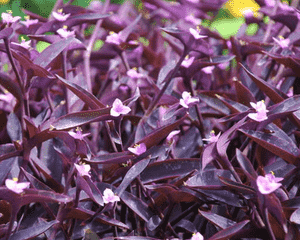
Purple heart (Tradescantia pallida)
Also known as: Purple queen
Tradescantia pallida, also known as Purple Heart, is an evergreen perennial with striking deep purple, pointed leaves. This trailing plant is widely appreciated as a houseplant and is frequently utilized in landscaping for bedding purposes.
Attributes of Purple heart
Images of Purple heart
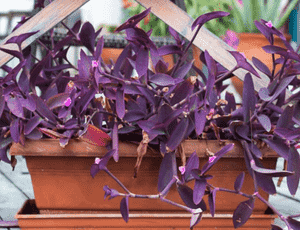
Quickly Identify Purple heart
Scientific Classification of Purple heart
Planting and Growing of Purple heart
 How to Water Purple heart?
 What Are the Sunlight Requirements for Purple heart?
 What Is the Ideal Temperature Range for Purple heart?
 What Soil is Best for Purple heart?
 How to Fertilize Purple heart?
 How to Prune Purple heart?
 How to Propagate Purple heart plant?
 How to Repot Purple heart plant?
Toxicity of Purple heart
Is Purple heart toxic to cat?
The purple heart plant is harmful to cats, presenting a risk when its sap or juice is consumed, often occurring when cats mistakenly nibble on sections of the plant. Contact with the toxic elements in purple heart may result in various symptoms that signify physical distress, manifesting differently in each affected cat. Pet owners who notice any signs of sickness after ingestion should regard it as an urgent matter to seek immediate attention at a veterinary clinic to safeguard the health and well-being of their feline friend.
Is Purple heart toxic to dog?
The purple heart plant is recognized as toxic to dogs. When dogs consume various parts of the purple heart, especially its sap or juice, they can become poisoned. Following exposure, dogs may display symptoms including vomiting, diarrhea, lethargy, and potentially more severe reactions based on the quantity consumed. It is essential for dog owners to restrict their pets' access to this plant and to obtain prompt veterinary assistance if any symptoms of poisoning arise.



