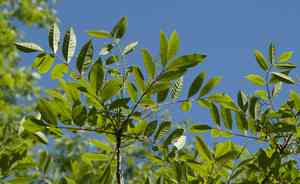
Poison sumac (Toxicodendron vernix)
Also known as: Poison Sumac, Thunderwood
Poison sumac (Toxicodendron vernix) is a woody shrub known for its oil that induces an itchy, burning rash. It is more allergenic than both poison ivy and poison oak. Interestingly, its sap can be used to produce a black varnish for woodworking.
Attributes of Poison sumac
Images of Poison sumac
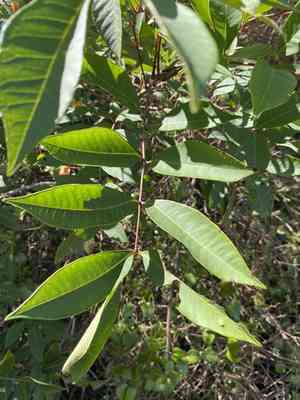
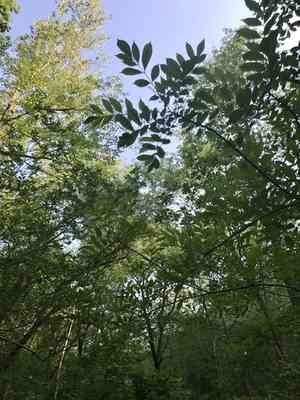
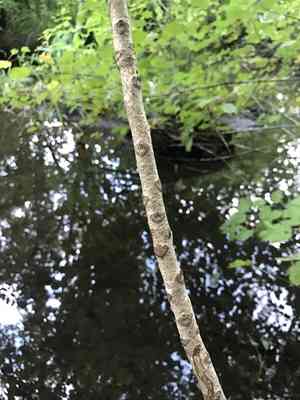
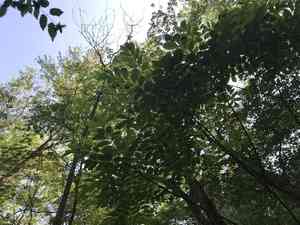
Quickly Identify Poison sumac
Scientific Classification of Poison sumac
Planting and Growing of Poison sumac
 How to Water Poison sumac?
 What Are the Sunlight Requirements for Poison sumac?
 What Is the Ideal Temperature Range for Poison sumac?
 What Soil is Best for Poison sumac?
 How to Fertilize Poison sumac?
 How to Prune Poison sumac?
 How to Propagate Poison sumac plant?
 How to Repot Poison sumac plant?
Toxicity of Poison sumac
Is Poison sumac toxic to humans?
Poison sumac is an extremely toxic plant notorious for its hazardous nature. Both the leaves and woody stems harbor urushiol, a noxious oily sap that elicits significant skin irritation. While some individuals may possess an immunity to this allergen, the majority will endure reactions ranging from mild to severe. Common symptoms involve redness, intense itching, burning sensations, and inflammation at the site of contact. The affected area’s size correlates with the level of exposure. Additionally, the toxic sap can adhere to clothing and subsequently transfer to the skin. If it enters the eyes, it may lead to vision impairment. Though the plant is seldom ingested, it can result in gastrointestinal complications. Moreover, it has the potential to cause airway constriction due to inflammation.



