
Chinese lacquer tree (Toxicodendron vernicifluum)
Also known as: Japanese lacquer tree, Varnish tree, Lacquer tree
The Chinese lacquer tree, known scientifically as Toxicodendron vernicifluum, is valued for its commercial uses. The tree's sap is utilized to produce lacquer, a coating known for its glossy finish. This sap contains urushiol, a compound that can cause allergic reactions. Additionally, wax derived from this tree is used in candle making.
In This Article
Attributes of Chinese lacquer tree
Lifespan
Perennial
Plant Type
Tree
Plant Height
20 m
Spread
10 m
Leaf Color
Green
Flower Size
1.2 mm
Flower Color
Green
Images of Chinese lacquer tree
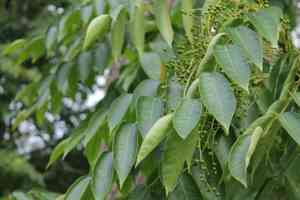
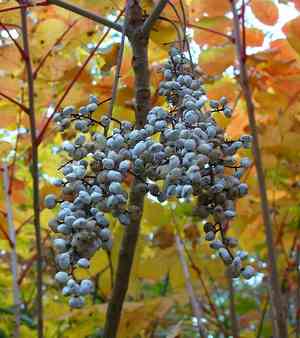
Quickly Identify Chinese lacquer tree
1
The lacquer tree can be identified by its distinctive shiny, compound leaves, which are pinnate with 7-19 leaflets. The bark is grayish-brown and smooth on younger trees.
Scientific Classification of Chinese lacquer tree
Phylum
Vascular plants
Class
Dicotyledons
Order
Maples, mangos, mahogany, citrus, and allies
Family
Cashew
Genus
Toxicodendron
Species
Chinese lacquer tree
Planting and Growing of Chinese lacquer tree
Care Difficulty
Hard
Watering Schedule
Every 3 days
Sunlight Requirements
Partial sun
Sunshine Duration
6-8 hours
Ideal Temperature
50-77℉
Soil Type
Potting Mix, Peat Mix
Soil pH
6.5-7.5
Fertilizer Type
Balanced
Pruning Season
Spring, Summer
Pruning Area
Branches, Leaves
Pruning Frequency
2 times a year
Repotting Season
Spring
Pot Type
Plastic, Ceramic
 How to Water Chinese lacquer tree?
For Toxicodendron vernicifluum, it's crucial to ensure a consistent supply of moisture without oversaturating the soil. Use approximately 250 milliliters of water per session, making sure the topsoil is moistened but not soggy. Proper drainage is vital to prevent water from sitting in the soil.
What are the symptoms of an underwatered Chinese lacquer tree?
›
What should I do if my Chinese lacquer tree is not getting enough water?
›
What are the symptoms of an overwatered Chinese lacquer tree?
›
How to save an overwatered Chinese lacquer tree?
›
 What Are the Sunlight Requirements for Chinese lacquer tree?
Partial sun exposure is optimal, which means the plant should ideally receive about 4-6 hours of moderate sunlight daily. This promotes healthy growth and reduces stress from either inadequate or excessive lighting conditions.
More About Sunlight Requirements Techniques→
Understanding Ideal Sun Exposure
›
Solutions for Optimal Lighting
›
Benefits of Ideal Lighting
›
 What Is the Ideal Temperature Range for Chinese lacquer tree?
For optimal growth, Toxicodendron vernicifluum thrives best in a temperature range of 50°F to 77°F. This range ensures that the plant has the right conditions for photosynthesis and nutrient uptake, leading to lush growth and minimal stress.
 What Soil is Best for Chinese lacquer tree?
Toxicodendron vernicifluum thrives in well-drained soil that prevents waterlogging, ensuring the roots receive sufficient oxygen. This environment helps the plant to grow more vigorously and reduces the risk of root diseases. A nutrient-rich soil supports the growth of Toxicodendron vernicifluum by providing essential minerals and organic matter. This promotes robust foliage and stem development, leading to a healthier plant overall. The plant prefers soil with moderate moisture retention, which maintains consistent hydration without becoming saturated. This balance helps in continuous nutrient uptake and supports photosynthesis.
 How to Fertilize Chinese lacquer tree?
Applying the right amount of fertilizer for Toxicodendron vernicifluum is essential for its healthy development. Typically, use a balanced 10-10-10 liquid fertilizer as a supplementary source. Apply approximately 100 ml of diluted liquid fertilizer every time you fertilize to ensure that the plant receives the nutrients it needs without overwhelming its root system.
 How to Prune Chinese lacquer tree?
Begin by assessing the plant's overall structure and identifying branches that are dead, damaged, or diseased. Removing these branches helps improve the plant’s health and encourages new growth. Additionally, consider trimming any branches that overlap or rub against each other to avoid damage. When pruning, make clean cuts at a 45-degree angle, just above a node or lateral branch. This encourages new growth and helps the plant heal more effectively. Avoid leaving stubs, as they can become entry points for pests and diseases. Prune branches to maintain the desired shape and size of the plant. This is particularly important if you use the sap for lacquer production, as a well-shaped tree facilitates easier sap collection. Regular shaping keeps the tree aesthetically pleasing and functional.
More About Pruning Techniques→
 How to Propagate Chinese lacquer tree plant?
1
Choose a healthy, disease-free parent plant with vigorous growth, as this will increase the likelihood of success with your propagation efforts.
2
Use a well-draining soil mix that retains moisture without becoming waterlogged, which is crucial for seed germination and cutting rooting.
3
Take cuttings from the parent plant during the morning to reduce stress. Use sharp pruners and make clean cuts just below a node.
 How to Repot Chinese lacquer tree plant?
1
Repotting Toxicodendron vernicifluum should be considered when you notice roots emerging from the drainage holes or if growth has significantly slowed. Ideally, this task is done in the spring or early summer when the plant is naturally geared for growth, allowing it to more easily overcome the stress of repotting.
2
Choose a pot that is 1-2 inches larger in diameter than the current one and ensure it has proper drainage holes. A terracotta pot is recommended for its breathability, which prevents waterlogging—a critical aspect for this species’ health. The right pot encourages healthy root expansion and helps prevent root rot.
3
Opt for a well-draining loamy soil mix to facilitate proper water flow and nutrients. A mix with good aeration properties helps prevent root disease, encouraging the healthy growth of your Toxicodendron vernicifluum. An airy soil mix will also aid in moisture retention without suffocating the roots.



