
Poison ivy (Toxicodendron radicans)
Also known as: Climbing poison ivy
In pop culture, poison ivy is often depicted as a troublesome weed due to its ability to cause severe skin irritation upon contact. Despite its innocent appearance, it can give a nasty rash to anyone who touches it. Interestingly, many animals consume it, and birds particularly enjoy its seeds. During the fall, its leaves turn a striking red. While Western poison ivy (Toxicodendron rydbergii) isn't seen as invasive in the U.S., it is considered a nuisance in Australia and New Zealand.
Attributes of Poison ivy
Images of Poison ivy

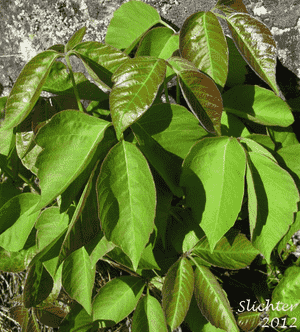
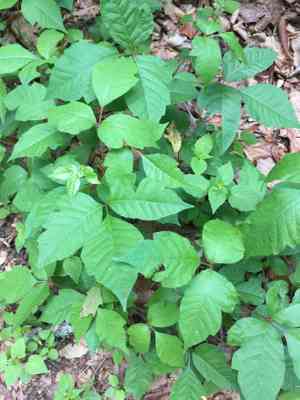

Quickly Identify Poison ivy
Scientific Classification of Poison ivy
Planting and Growing of Poison ivy
 How to Water Poison ivy?
 What Are the Sunlight Requirements for Poison ivy?
 What Is the Ideal Temperature Range for Poison ivy?
 What Soil is Best for Poison ivy?
 How to Fertilize Poison ivy?
 How to Prune Poison ivy?
 How to Propagate Poison ivy plant?
 How to Repot Poison ivy plant?
Toxicity of Poison ivy
Is Poison ivy toxic to humans?
Every part of the poison ivy plant is infused with a toxic oil known as urushiol, which leads to skin irritation in the majority of individuals. This irritation results from an allergic response triggered by either direct or indirect contact with the plant material, which may involve touching shoes or encountering an animal that has brushed against the plant. Moreover, even the smoke generated by burning poison ivy can elicit a toxic reaction. Accidental contact is quite common, given that this plant thrives in a variety of environments such as forests, roadsides, and clearings. Symptoms can manifest as severe blistering, intense itching, and inflammation, which may persist for an extended period.
Is Poison ivy toxic to cat?
Poison ivy is harmful to cats, presenting health hazards when any component is accidentally ingested. Given their curious nature, cats may unintentionally ingest parts of poison ivy, which can result in potential poisoning. Following ingestion, they might exhibit a range of symptoms, including but not limited to gastrointestinal distress or signs suggesting discomfort or pain. Timely identification of these symptoms is crucial, as they necessitate urgent veterinary attention to safeguard the affected cat's health. It is essential for cat owners to ensure their pets stay away from poison ivy to avert such dangerous exposure.
Is Poison ivy toxic to dog?
Poison ivy is a plant that presents considerable health hazards to dogs. When dogs come into contact with or accidentally ingest any portion of poison ivy, they can experience poisoning due to its toxic properties. The ways dogs may be poisoned include eating the leaves, stems, or other parts of the plant, often happening when they mistake it for something edible during outdoor excursions. Signs of poisoning in dogs may consist of gastrointestinal distress, such as vomiting and diarrhea, and skin irritation if there is direct contact with the plant. It is essential for dog owners to keep a close eye on their pets and prevent them from interacting with poison ivy. Should a dog display symptoms of poisoning after exposure to poison ivy, it is vital to seek immediate veterinary attention to ensure appropriate treatment and management of symptoms.



