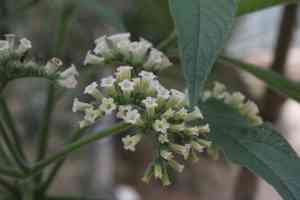
Soldierbushes (Tournefortia) (Tournefortia)
Also known as: Tournefort, Turnsole
Soldierbushes represent a genus within the Boraginaceae family, known for its flowering plants.
In This Article
Attributes of Soldierbushes (Tournefortia)
Lifespan
Perennial
Plant Height
1.5 to 5 meters
Spread
1 to 2 meters
Leaf Color
Green
Flower Size
0.5 to 1 cm
Flower Color
White or purplish
Images of Soldierbushes (Tournefortia)
Quickly Identify Soldierbushes (Tournefortia)
1
To identify Tournefortia, look for shrub or small tree growth patterns, simple alternate leaves, and small white or purplish flowers typically arranged in clusters. The fruit is often a drupe.
Scientific Classification of Soldierbushes (Tournefortia)
Phylum
Tracheophyta
Class
Magnoliopsida
Order
Boraginales
Family
Boraginaceae
Genus
Tournefortia
Planting and Growing of Soldierbushes (Tournefortia)
Care Difficulty
Moderate
Watering Schedule
Every 3 days
Sunlight Requirements
Partial sun
Sunshine Duration
4-6 hours
Ideal Temperature
65-75℉
Soil Type
Potting Mix, Peat Mix
Soil pH
6.5-7.5
Fertilizer Type
Balanced
Pruning Season
Spring, Summer
Pruning Area
Branches, Leaves
Pruning Frequency
2 times a year
Repotting Season
Spring
Pot Type
Plastic, Ceramic
 How to Water Soldierbushes (Tournefortia)?
For Tournefortia, the watering should follow the principle of allowing the soil to dry slightly between waterings. Ensure the soil is moist but not waterlogged by providing approximately 500ml of water each time.
What are the symptoms of an underwatered Soldierbushes (Tournefortia)?
›
What should I do if my Soldierbushes (Tournefortia) is not getting enough water?
›
What are the symptoms of an overwatered Soldierbushes (Tournefortia)?
›
How to save an overwatered Soldierbushes (Tournefortia)?
›
 What Are the Sunlight Requirements for Soldierbushes (Tournefortia)?
Partial sun is ideal for Tournefortia, promoting balanced growth and vibrant health.
How much sunlight does Tournefortia prefer?
›
What's the solution for achieving ideal lighting?
›
What are the benefits of ideal lighting?
›
 What Is the Ideal Temperature Range for Soldierbushes (Tournefortia)?
The ideal temperature range for growing Tournefortia plants is between 65°F and 75°F. This range allows the plant to thrive, ensuring optimal photosynthesis, growth, and flowering. Maintaining temperatures within this range mimics the plant’s natural habitat, facilitating healthier growth and resistance to diseases.
 What Soil is Best for Soldierbushes (Tournefortia)?
Tournefortia thrives in well-draining soils to prevent root rot and ensure optimal water and nutrient uptake. This drainage prevents water logging, which can lead to root diseases and poor plant growth. The plant benefits from nutrient-rich soils that are rich in organic matter. This enhances plant vigor by providing essential nutrients needed for growth and flowering. Soils should retain enough moisture to sustain the plant without drowning it. This balance helps maintain adequate hydration, especially in warmer climates.
 How to Fertilize Soldierbushes (Tournefortia)?
For Tournefortia, use a balanced fertilizer formula. Apply liquid fertilizer dissolving 5 ml in a liter of water for uniform nourishment. Root health and leaf pigmentation benefit greatly from the right amount of nutrients.
 How to Prune Soldierbushes (Tournefortia)?
Start by removing any dead or diseased branches to maintain plant health. Use clean, sharp tools to make clean cuts, encouraging rapid healing and reducing the risk of infection. Trim back the plant to your desired shape, focusing on maintaining natural form and balance. Ensure that you cut just above a leaf node or bud to promote new growth from that point. Be gentle and assess your plant’s overall size and shape as you go, stepping back regularly to view your progress. Encourage fuller, bushier growth by selectively cutting back branches by a third of their length. This stimulates multiple shoots to emerge from the cut point. Prune the tips periodically as this compels the plant to redirect energy into producing side stems, resulting in a lush, dense appearance. Be mindful not to remove more than one-third of the overall plant size at once to avoid stress.
 How to Propagate Soldierbushes (Tournefortia) plant?
1
Gather mature seeds from a healthy Tournefortia plant. Ensure that the seeds are fully developed and free from disease or damage. Clean the seeds with water to remove any pulp or debris, and let them dry before planting.
2
Select healthy, non-flowering stems for cuttings. Use sharp pruning shears to make a clean cut below a node. Remove the lower leaves from the cutting and use rooting hormone to promote root growth.
3
Carefully dig up the mature plant, ensuring minimal damage to the root system. Gently separate the roots into sections, making sure each division has a section of the stem and roots. Replant each division in a prepared pot or garden area.
 How to Repot Soldierbushes (Tournefortia) plant?
1
The perfect time to repot Tournefortia is when you notice roots emerging from the pot's drainage holes, or when growth appears stunted despite regular care. Usually, this indicates the plant is root-bound and needs more room to thrive. Observing these signs ensures you repot at the optimal time.
2
Select a pot just one size larger than the current one to prevent excessive water retention. Preferably, the pot should have drainage holes to prevent root rot. Size matters because a too-large pot can lead to moist soil, causing roots to suffocate and compromise plant health.
3
For Tournefortia, choose a well-draining sandy mix rich in organic matter. This ensures that your plant gets adequate aeration while preventing waterlogging. A well-chosen soil mix supports robust root growth and minimizes potential fungal issues.
Learn More About Soldierbushes (Tournefortia) Diseases
Anthracnose
Bacterial Leaf Spot
Bacterial Wilt
Crown Gall
Damping-off
Downy Mildew
Drought Stress
Fusarium Wilt
Gray Mold
Leaf Curl
Leaf Spot
Mosaic
Nutrient Deficiency
Nutrient Toxicity
Powdery Mildew
Root Rot
Root-knot Nematode
Rusts
Sooty Mold
Spider Mites
Temperature Stress
Thrips Damage
White Mold

