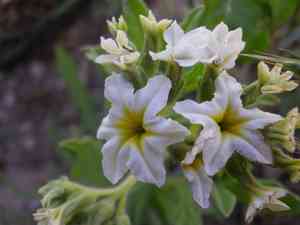
Siberian sea rosemary (Tournefortia sibirica)
Also known as: Turnipweed
Siberian sea rosemary (Rhododendron tomentosum) is a hardy shrub often found in peat bogs and wet woodlands, thriving in moist, acidic soils. This plant produces clusters of small, white flowers, typically blooming from late spring to early summer. Therefore, the ideal time to observe Siberian sea rosemary in its natural habitat is from May to June, when it is in full bloom.
In This Article
Attributes of Siberian sea rosemary
Lifespan
Perennial
Plant Type
Herb
Plant Height
40 cm
Spread
Up to 1 meter
Leaf Color
Grayish-green
Flower Size
2 cm to 4 cm
Flower Color
White
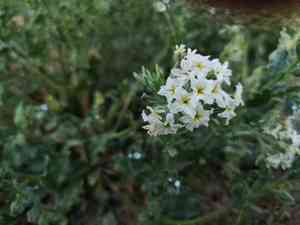
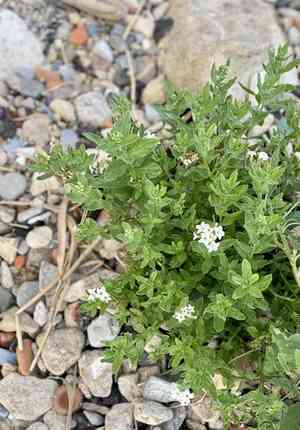
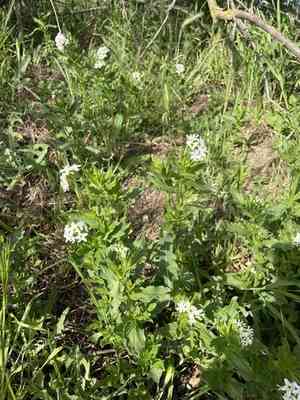
Images of Siberian sea rosemary
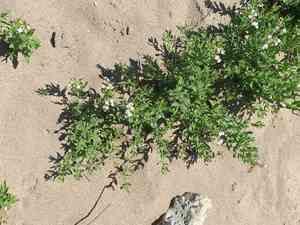
Quickly Identify Siberian sea rosemary
1
Tournefortia sibirica can be identified by its shrubby habit, small, white to pale blue flowers clustered in a cyme inflorescence, and its grayish-green, lanceolate leaves.
Scientific Classification of Siberian sea rosemary
Phylum
Vascular plants
Class
Dicotyledons
Order
Boraginales
Family
Heliotropiaceae
Genus
Soldierbushes
Species
Siberian sea rosemary
Planting and Growing of Siberian sea rosemary
Care Difficulty
Hard
Watering Schedule
Every 3 days
Sunlight Requirements
Partial sun
Sunshine Duration
6-10 hours
Ideal Temperature
60-75℉
Soil Type
Potting Mix, Peat Mix
Soil pH
6.5-7.5
Fertilizer Type
Balanced
Pruning Season
Spring, Summer
Pruning Area
Branches, Leaves
Pruning Frequency
2 times a year
Repotting Season
Spring
Pot Type
Ceramic, Plastic
 How to Water Siberian sea rosemary?
For Tournefortia sibirica, watering should adhere to the rule of soaking the soil thoroughly but allowing the top inch to dry out before watering again. This typically means around 250 milliliters per session, ensuring the roots can access water without feeling waterlogged.
What are the symptoms of an underwatered Siberian sea rosemary?
›
What should I do if my Siberian sea rosemary is not getting enough water?
›
What are the symptoms of an overwatered Siberian sea rosemary?
›
How to save an overwatered Siberian sea rosemary?
›
 What Are the Sunlight Requirements for Siberian sea rosemary?
Tournefortia sibirica ideally requires partial to full sun exposure. Ensuring this range fosters optimal foliage development and flowering, promoting overall plant health and longevity.
How much light does Tournefortia sibirica need?
›
What solutions help achieve ideal lighting?
›
What are the benefits of ideal lighting for this plant?
›
 What Is the Ideal Temperature Range for Siberian sea rosemary?
The ideal temperature range for Tournefortia sibirica is between 60°F and 75°F. This range is crucial as it provides the optimal environment for photosynthesis and metabolic activities that promote healthy growth.
 What Soil is Best for Siberian sea rosemary?
Tournefortia sibirica thrives in soils that provide excellent drainage. The roots require aeration and cannot tolerate standing water, which can lead to root rot. Ensuring good drainage helps maintain a healthy root system, promoting vigorous growth. While not extremely demanding, Tournefortia sibirica benefits from a soil that is rich in organic matter. Adequate nutrients support the plant's growth and flowering potential, leading to a more robust and colorful display. Tournefortia sibirica prefers a slightly acidic to neutral pH range. Maintaining this balance ensures optimum nutrient uptake and prevents nutrient lockout that can impede growth.
 How to Fertilize Siberian sea rosemary?
When fertilizing Tournefortia sibirica, use a balanced 10-10-10 or 20-20-20 fertilizer. For liquid fertilizers, dilute to half the recommended strength to avoid root burn, applying approximately 10 ml per plant. For granular fertilizers, distribute evenly at the base, using roughly 15 grams.
 How to Prune Siberian sea rosemary?
While pruning, it is advisable to wear gloves to protect your hands from scratches and any irritants that might be present on the plant's surface. Although it is tempting to heavily prune for a more drastic appearance change, over-pruning can stress the plant. Ensure that you only remove about one-third of the plant's foliage at any time. When pruning, take into consideration the plant's natural growth pattern. Overcutting can disrupt its aesthetic symmetry, so shape gently to maintain a harmonious look.
More About Pruning Techniques→
 How to Propagate Siberian sea rosemary plant?
1
Collect mature seeds from a healthy Tournefortia sibirica plant in the autumn. Clean the seeds and store them in a cool, dry place until spring, when they can be sown in seed trays filled with potting soil.
2
During early summer, take cuttings from a healthy plant, ensuring they are around 4-6 inches long. Strip the lower leaves and dip the cut end in rooting hormone before placing it in a pot with moist soil.
3
Divide mature plants in spring by carefully separating their roots. Each division should have a healthy root system. Replant divisions immediately into well-prepared soil, ensuring they are watered thoroughly.
 How to Repot Siberian sea rosemary plant?
1
Tournefortia sibirica needs repotting when you notice roots emerging from drainage holes or when growth slows down significantly. Spring or early summer is ideal as the plant enters its active growth phase, allowing it to establish in the new soil quickly.
2
Select a pot that is just one size larger than the current pot. Aim for one with drainage holes to prevent water accumulation. Using a slightly wider pot encourages stable growth, ensuring the root system doesn't suffocate while providing room for expansion.
3
Opt for a well-draining sandy mix often enriched with organic matter. This allows adequate air circulation and prevents waterlogging, thus keeping the roots healthy and helping prevent rot. A substrate with good drainage ensures the plant's optimal growth.
Learn More About Siberian sea rosemary Diseases
Anthracnose
Bacterial Leaf Spot
Bacterial Wilt
Crown Gall
Damping-off
Downy Mildew
Drought Stress
Fusarium Wilt
Gray Mold
Leaf Curl
Leaf Spot
Mosaic
Nutrient Deficiency
Nutrient Toxicity
Powdery Mildew
Root Rot
Root-knot Nematode
Rusts
Sooty Mold
Spider Mites
Temperature Stress
Thrips Damage
White Mold



