
Sea rosemary (Tournefortia gnaphalodes)
Also known as: Sea Lavender, Inkberry, Chiggery grapes
Sea rosemary, a perennial woody plant well-suited to coastal environments like sandy beaches, has faced significant population declines. This decline is largely due to habitat loss from coastal development and erosion. In regions like Florida, sea rosemary is now classified as endangered. Notably, this plant is capable of flowering throughout the year.
In This Article
Attributes of Sea rosemary
Lifespan
Perennial
Plant Type
Shrub
Plant Height
61 cm to 1.5 m
Spread
1.8 m to 6 m
Leaf Color
Grey-green
Flower Size
Approximately 0.5 to 1 cm (0.2 to 0.4 inches)
Flower Color
White
Images of Sea rosemary
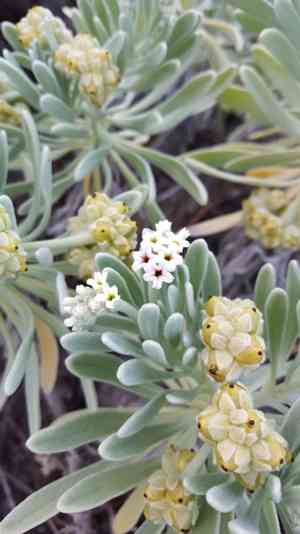
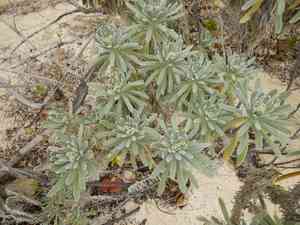
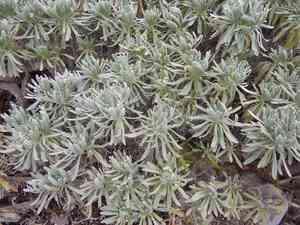
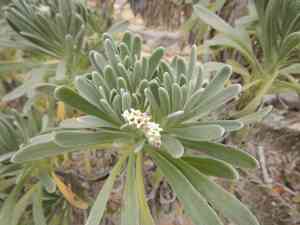
Quickly Identify Sea rosemary
1
The plant can be identified by its woolly, grey-green leaves and its dense clusters of small white flowers. The shrub also has a characteristic silvery sheen and can often be found in close proximity to coastal areas.
Scientific Classification of Sea rosemary
Phylum
Vascular plants
Class
Dicotyledons
Order
Boraginales
Family
Heliotropiaceae
Genus
Soldierbushes
Species
Sea rosemary
Planting and Growing of Sea rosemary
Care Difficulty
Easy
Watering Schedule
Every 2 days
Sunlight Requirements
Full sun
Sunshine Duration
6-10 hours
Ideal Temperature
68-77℉
Soil Type
Potting Mix, Peat Mix
Soil pH
6.5-7.5
Fertilizer Type
Balanced
Pruning Season
Spring, Summer
Pruning Area
Branches, Leaves
Pruning Frequency
2 times a year
Repotting Season
Spring
Pot Type
Plastic, Terracotta
 How to Water Sea rosemary?
Tournefortia gnaphalodes requires an optimal watering approach to thrive. Water deeply, ensuring the soil is thoroughly moistened but avoiding standing water. Generally, 500 ml per watering session is sufficient, but the amount might need adjusting based on environmental conditions and soil type. The key is to allow the top inch of soil to dry out before watering again.
What are the symptoms of an underwatered Sea rosemary?
›
What should I do if my Sea rosemary is not getting enough water?
›
What are the symptoms of an overwatered Sea rosemary?
›
How to save an overwatered Sea rosemary?
›
 What Are the Sunlight Requirements for Sea rosemary?
Tournefortia gnaphalodes prefers full to partial sunlight, benefiting from environments that offer 6-8 hours of light. Adequate light ensures vigorous growth, vibrant foliage, and more abundant flowering.
What is the ideal light condition for Tournefortia gnaphalodes?
›
How can I optimize light for Tournefortia gnaphalodes indoors?
›
What benefits does ideal lighting provide to Tournefortia gnaphalodes?
›
 What Is the Ideal Temperature Range for Sea rosemary?
The ideal temperature range of 68°F to 77°F allows Tournefortia gnaphalodes to thrive by providing conditions that support optimal metabolic and photosynthetic activities. At these temperatures, cellular functions operate efficiently, facilitating growth, flowering, and resistance to diseases. Any deviation from this range can lead to stress, reduced growth, and increased susceptibility to pests and pathogens.
 What Soil is Best for Sea rosemary?
Tournefortia gnaphalodes thrives in well-drained soil, allowing excess water to escape quickly and preventing root rot. This ensures healthy growth by avoiding waterlogged conditions that may stifle root oxygen intake. The plant prefers a sandy soil composition which mimics its natural coastal and dune habitats. Sandy soils offer excellent drainage and also ease of root penetration, encouraging robust establishment. While not heavy feeders, these plants prosper in soil with moderate fertility. This ensures they receive enough nutrients without the risk of salt accumulation or nutrient burn which can occur in overly fertile soils.
 How to Fertilize Sea rosemary?
Tournefortia gnaphalodes, commonly known as sea lavender, should be fertilized with balance. Use liquid fertilizer at a dilution rate of 1 tablespoon per gallon of water. For solid fertilizers, apply approximately 1 tablespoon per square foot during growing seasons. This combination ensures nutrients are available without overwhelming the plant.
 How to Prune Sea rosemary?
Begin by removing any dead, diseased, or damaged branches. Cut them back to healthy growth or to the base. This helps prevent the spread of disease and improves the plant's overall appearance. Focus on maintaining the natural form of the plant. Trim back overly long branches to encourage a fuller growth habit. Keep in mind the desired shape and size while pruning to avoid over-pruning. Thin out branches that are too closely packed together. This improves air circulation within the canopy, reducing the risk of fungal infections and other issues related to poor airflow.
More About Pruning Techniques→
 How to Propagate Sea rosemary plant?
1
Collect seeds from mature Tournefortia gnaphalodes and clean them properly. Allow seeds to dry to enhance germination rates before planting them in prepared trays.
2
Select healthy stems and cut about 10-12 cm long sections using sharp pruners. Ensure each cutting has at least two nodes to promote rooting.
3
Prepare a well-draining soil mix and plant seeds or cuttings appropriately. Ensure adequate spacing to avoid competition for nutrients during growth.
 How to Repot Sea rosemary plant?
1
Tournefortia gnaphalodes shows signs it's time to repot when you notice that growth has significantly slowed, roots are visibly growing through drainage holes, or the soil seems unable to retain moisture. Ideally, repotting should be done in spring or summer to help the plant recover quickly in its active growth period.
2
Select a pot that is one size larger than the current one, with adequate drainage holes. This ensures enough room for root expansion and prevents waterlogging, which is crucial for the plant’s health. A terracotta pot is favorable to enhance aeration.
3
Opt for a well-draining, sandy soil mix to mimic its natural habitat. Adding perlite and coarse sand can improve aeration and ensure that excess water drains efficiently, preventing root rot and promoting healthy growth.
Learn More About Sea rosemary Diseases
Anthracnose
Bacterial Leaf Spot
Bacterial Soft Rot
Bacterial Wilt
Black Spot
Chemical Injury
Crown Gall
Damping-off
Downy Mildew
Drought Stress
Fusarium Wilt
Gray Mold
Leaf Curl
Leaf Spot
Mosaic
Nutrient Deficiency
Nutrient Toxicity
Powdery Mildew
Root Rot
Root-knot Nematode
Rusts
Sooty Mold
Spider Mites
Temperature Stress
Thrips Damage
White Mold



