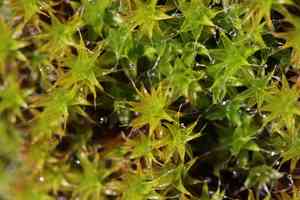
Tortula moss (Tortula muralis)
Also known as: Wall Screw-moss
Another name for tortula moss (*Tortula muralis*) is wall screw-moss. This species is widespread globally. Wall screw-moss can serve as an air quality indicator because it absorbs substances from its environment, making it a useful gauge for detecting atmospheric pollution.
In This Article
Attributes of Tortula moss
Lifespan
Annual
Plant Type
Moss
Plant Height
1 cm
Spread
Approximately 1-2 cm in dense tufts
Leaf Color
Green Blue
Flower Size
Not applicable
Flower Color
Not applicable
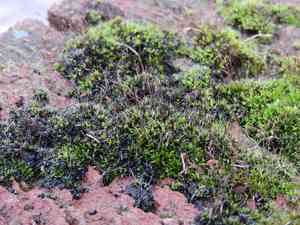
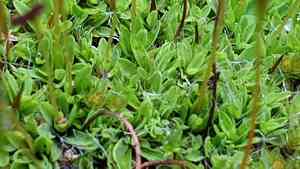
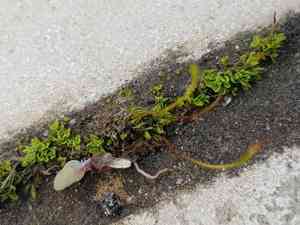
Images of Tortula moss

Quickly Identify Tortula moss
1
Tortula muralis can be identified by its small size, typically forming dense tufts. The leaves are narrow with a thread-like tip, and the capsule is cylindrical, often with a long seta. Under a microscope, you can see that the leaves have a distinctive central nerve.
Scientific Classification of Tortula moss
Phylum
Mosses
Class
True mosses
Order
Pottiales
Family
Pottiaceae
Genus
Tortula
Species
Tortula moss
Planting and Growing of Tortula moss
Care Difficulty
Easy
Watering Schedule
Every 2 days
Sunlight Requirements
Partial sun
Sunshine Duration
6-10 hours
Ideal Temperature
50-77℉
Soil Type
Potting Mix, Peat Mix
Soil pH
6.5-7.5
Fertilizer Type
Balanced
Pruning Season
Spring, Summer
Pruning Area
Branches, Leaves
Pruning Frequency
2 times a year
Repotting Season
Spring
Pot Type
Plastic, Ceramic
 How to Water Tortula moss?
When watering Tortula muralis, aim to moisten the moss without over-saturating. The water amount should be enough to dampen the soil, approximately 50ml, ensuring that the medium is moist but not waterlogged. Proper watering helps maintain the plant's vitality and supports its growth cycle.
What are the symptoms of an underwatered Tortula moss?
›
What should I do if my Tortula moss is not getting enough water?
›
What are the symptoms of an overwatered Tortula moss?
›
How to save an overwatered Tortula moss?
›
 What Are the Sunlight Requirements for Tortula moss?
Partial shade provides balanced energy absorption, promoting vigorous growth and robust resilience as found in its native habitat. It reduces stress from harsh elements, ensuring a healthy lifecycle.
What is the best light condition for Tortula muralis?
›
How to achieve ideal lighting for Tortula muralis?
›
Benefits of providing ideal lighting for Tortula muralis
›
 What Is the Ideal Temperature Range for Tortula moss?
For Tortula muralis, the ideal temperature range is essential for optimal growth. It thrives best in temperatures between 50°F and 77°F, which mirrors its natural cool, temperate habitat. This range provides the right balance of warmth during the day and coolness at night, promoting robust physiological processes. Maintaining this range helps ensure steady metabolic functions and prevents stress factors that can impede growth and development.
 What Soil is Best for Tortula moss?
Tortula muralis thrives in soils that have excellent drainage capabilities. Effective drainage prevents waterlogging, which can lead to root rot. This moss prefers to cling to surfaces where water quickly drains away, mimicking its natural cliffside habitats. This moss doesn't require rich nutrient content to flourish. In fact, soils with minimal organic matter closely replicate its native environments, where nutrients are often scarce but consistent in their presence. Tortula muralis prefers calcareous soils rich in calcium. This mineral support enhances the structural growth of the moss, promoting resilient green mats that are characteristic of its healthy state.
 How to Fertilize Tortula moss?
For Tortula muralis, apply a diluted liquid fertilizer at half the recommended strength. Ensure the applied liquid enough to moisten the moss but avoid saturation, as it thrives best in moderately nourished conditions.
 How to Prune Tortula moss?
To trim Tortula muralis, you need a pair of sharp, clean scissors or small garden shears. Gently brush the moss to remove debris and dead matter. Identify any overly long or sparse sections that might benefit from a trim. Carefully snip the tips of the longer strands to encourage a compact and even growth. It's best to prune in small increments to avoid over-cutting. Trim above the nodes where the leaves attach to help stimulate growth.
 How to Propagate Tortula moss plant?
1
Before dividing the plant, gather all necessary tools, such as a sharp knife and watering can. Choose a cool, shaded site to carry out the division to protect the moss from drying out quickly.
2
Gently lift the Tortula muralis clumps from their substrate, carefully separating them into smaller clumps. Use a sharp knife to make clean cuts if the clumps are densely packed. Handle with care to maintain the integrity of the plant structure.
3
After dividing, replace the clumps in the desired location, ensuring they are firmly positioned in contact with the substrate. Water them gently but thoroughly to help settle the plant in its new position and provide immediate hydration.
 How to Repot Tortula moss plant?
1
Tortula muralis, commonly known as wall screw-moss, reveals its need for repotting when you notice its growth slows due to overcrowding, or the soil becomes compacted and retains too much moisture. Spring and early summer are the best times to repot, as the plant is actively growing and can recover quickly from any stress.
2
Opt for a shallow, wide pot with ample drainage holes for Tortula muralis. This moss thrives in spreading conditions where it can grow horizontally. Ensure the pot is made of a breathable material like terracotta, which helps in drying excess moisture and keeps the roots healthy.
3
Select a well-draining, gritty soil mix conducive to moss growth. A substrate composed of a balanced blend of peat, coarse sand, and perlite is optimal. This mixture prevents waterlogging, allowing the delicate roots to breathe while maintaining necessary moisture levels.

