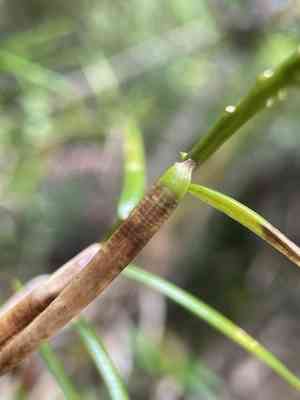
Florida nutmeg(Torreya taxifolia)

Florida nutmeg (Torreya taxifolia)

Also known as: Stinking cedar, Florida nutmeg tree

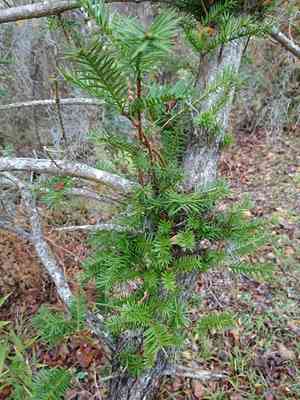
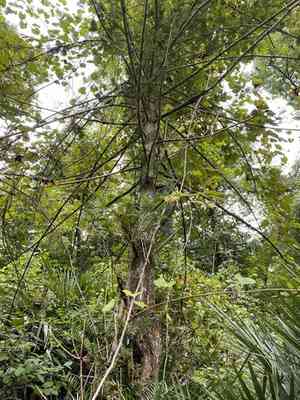
Florida nutmeg (Torreya taxifolia) is a rare, evergreen conifer native to the Apalachicola River region in Florida and southern Georgia. It features dark green, needle-like leaves with sharp tips and typically grows as a small to medium-sized tree, reaching heights of 30-60 feet. The tree produces fleshy seeds that resemble small nuts.

This species thrives in humid environments with well-drained, sandy, or loamy soils, often found in limestone outcrops. It prefers partial shade to full sun and requires consistent moisture, commonly found along river bluffs and ravines. Due to its endangered status, conservation efforts are crucial for its survival.

Attributes of Florida nutmeg

Lifespan
Perennial
Plant Height
3.5 m to 11 m
Spread
4 to 6 meters (13 to 20 feet)
Leaf Color
Dark green
Flower Size
N/A (Torreya taxifolia does not produce flowers)
Flower Color
N/A (Torreya taxifolia does not produce flowers)

ForwardPlant - Identify plants with a snap

Identify and diagnose plants, get toxicity alerts, and explore safety guides for all types of fungi.

Try for Free

Images of Florida nutmeg

Florida nutmeg(Torreya taxifolia)

Quickly Identify Florida nutmeg

1
Dioecious plant with separate male and female cones, showcasing sexual dimorphism.
2
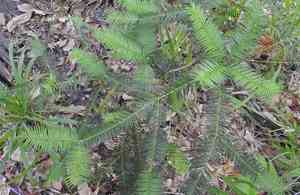
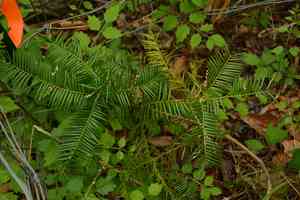
Leaves with bluish-white stomatal bands on the underside, emitting an unpleasant fragrance when crushed.
3
Fruit is a fleshy cone with purple stripes, enclosing a single reddish-brown seed.
4
Stem emits a foul odor when crushed, transitioning from green to gray, with rigid texture.
5
Trunk bark is deep, dark-brown with orange tones, displaying a thick outer layer interrupted by shallow fissures.

Scientific Classification of Florida nutmeg

Phylum
Vascular plants
Class
Conifers
Order
Pinales
Family
Yew
Genus
Nutmeg yews
Species
Florida nutmeg

Planting and Growing of Florida nutmeg

Care Difficulty
Hard
Watering Schedule
Every 2 days
Sunlight Requirements
Partial sun
Sunshine Duration
6-12 hours
Ideal Temperature
60-75℉
Soil Type
Potting Mix, Peat Mix
Soil pH
6.5-7.5
Fertilizer Type
Balanced
Pruning Season
Spring, Summer
Pruning Area
Branches, Leaves
Pruning Frequency
2 times a year
Repotting Season
Spring
Pot Type
Plastic, Terracotta

water icon How to Water Florida nutmeg?

For Torreya taxifolia, the watering amount should be enough to deeply soak the soil, approximately 500 ml per session. This ensures that water reaches the deeper roots without causing excessive moisture, preventing both underwatering and overwatering issues.
What are the symptoms of an underwatered Florida nutmeg? ›
What should I do if my Florida nutmeg is not getting enough water? ›
What are the symptoms of an overwatered Florida nutmeg? ›
How to save an overwatered Florida nutmeg? ›

sunlight icon What Are the Sunlight Requirements for Florida nutmeg?

Sunlight Requirements: Partial sun, Full shade
Duration of light: 2 to 4 hours
Partial sun ensures the plant receives adequate energy without the risk of leaf burn. Optimal lighting supports photosynthesis, strong growth, and vibrant foliage.
How much sunlight does Torreya taxifolia need daily? ›
What are the benefits of ideal lighting for Torreya taxifolia? ›
How can I achieve optimal lighting conditions for Torreya taxifolia? ›

temperature icon What Is the Ideal Temperature Range for Florida nutmeg?

Ideal Temperature: 60 ~ 75℉
For the optimal growth of Torreya taxifolia, it is recommended to maintain the temperature between 60°F to 75°F. These conditions simulate its native habitat, providing a balanced environment for photosynthesis and other metabolic processes.

soil icon What Soil is Best for Florida nutmeg?

Soil type: Loam, Acidic soil
Soil PH: 6.5 ~ 7.5
Torreya taxifolia requires well-drained soil to prevent root rot. Proper drainage allows excess water to escape, critical for maintaining the plant's health and preventing fungal infections in its root system. This plant prefers consistent soil moisture. While it needs drainage, the soil should also have the ability to retain enough moisture to support its growth, ensuring that the tree doesn’t experience stress during dry spells. A nutrient-rich soil supports Torreya taxifolia’s growth and health, providing the essential minerals and nutrients necessary for robust growth. Nutrient availability aids in strong green foliage and overall resistance to pests and diseases.

fertilize icon How to Fertilize Florida nutmeg?

Fertilizer type: Balanced
For Torreya taxifolia, it is crucial to apply approximately 1/4 cup of balanced 10-10-10 NPK fertilizer per application. This ensures the plant receives adequate nutrients for healthy growth without overwhelming its system, as this species is sensitive to high nutrient levels.

prune icon How to Prune Florida nutmeg?

Pruning Time: Spring, Summer, Autumn, Winter
Begin by inspecting the plant for any dead or diseased branches. Use clean and sharp pruning shears to remove these sections. Aim to cut at a slight angle just above a healthy bud. This encourages new growth and helps maintain the desired shape of the tree. Make sure to step back occasionally to check the overall balance of the plant while pruning. To shape Torreya taxifolia effectively, trim branches lightly to encourage a full yet controlled form. Focus on removing cross branches that may rub against each other, as this can cause wounds. When shaping, envision the natural form of the tree and work slowly to achieve a balanced look. More About Pruning Techniques→

propagate icon How to Propagate Florida nutmeg plant?

Propagate Time: Spring,Summer
1
Collect ripe seeds from the plant and clean them thoroughly. Soak the seeds in water for 24 hours before planting to enhance germination rates, as seeds require hydration to break dormancy.
2
Select a healthy branch and cut a section about 4-6 inches long. Remove leaves from the lower half and dip the cutting in rooting hormone to stimulate root development.
3
Choose compatible rootstock and scion for grafting. Make precise cuts to ensure they fit together perfectly, as good contact between the cambium layers is essential for successful grafting.
More About Propagating Techniques→

repot icon How to Repot Florida nutmeg plant?

Repotting frequency: Every 2-3 years
1
Torreya taxifolia should be repotted when you notice signs like roots growing out of the drainage holes, frequent wilting, or soil that doesn't retain moisture well. These indicators suggest that the plant's root system has outgrown its current container and requires more space for healthy growth. Repotting in early spring facilitates root establishment before the active growing season.
2
Select a pot that is one size larger than the current one, preferably with good drainage holes. A ceramic or terracotta pot is beneficial as it allows for better airflow and moisture control, reducing the risk of root rot. Ensure the pot is sturdy to support the mature plant's weight, providing adequate stability.
3
Opt for a well-draining soil mix, ideally combining equal parts of sandy loam, compost, and perlite. This mix allows for excellent aeration and prevents water-logging, which is crucial for Torreya taxifolia. Such soil ensures healthy root development and minimizes the potential for fungal diseases.

ForwardPlant - Identify plants with a snap

Find the best spots for them to optimize their health, simply using your phone.

Try for Free

Toxicity

Ingestion of seeds or foliage

Identify toxic plants for your safety

Learn which plants are harmful to you and your pets, and make informed choices for a safer home!

Try for Free
WARNING
The judgment on toxicity and danger is for reference only. We DO NOT GUARANTEE any accuracy of such judgment. Therefore, you SHALL NOT rely on such judgment. It is IMPORTANT TO SEEK PROFESSIONAL ADVICE in advance when necessary.