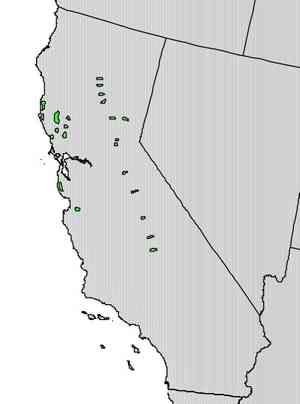
California nutmeg (Torreya californica)
Also known as: California torreya, Stinking cedar, Torreya myristica
The Cedar tree is an evergreen conifer recognized for its dense, conical crown that gradually becomes more irregular with age. Often featured in traditional landscaping for its aesthetic appeal, Cedar wood is also prized for its fine-grain and aromatic qualities, making it a popular choice for crafting.
In This Article
Attributes of California nutmeg
Lifespan
Perennial
Plant Type
Tree
Plant Height
25 m
Spread
8 m
Leaf Color
Green
Flower Size
1 cm to 1.5 cm
Flower Color
Yellow Green Brown
Images of California nutmeg
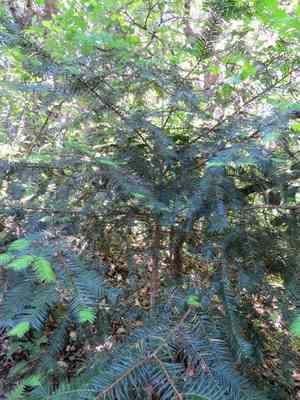
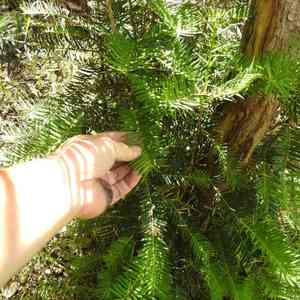
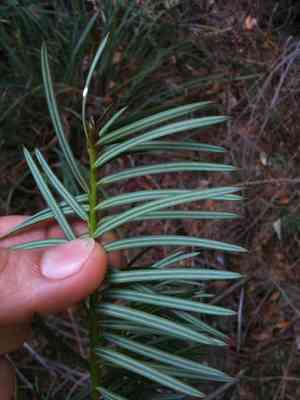
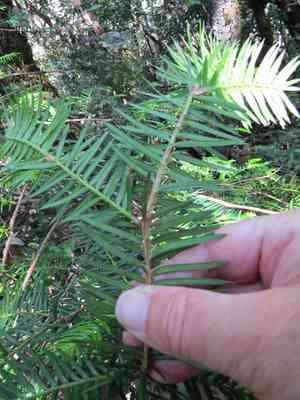
Quickly Identify California nutmeg
1
Identification of Torreya californica can be done by observing its sharp, dark green needle-like leaves, which are arranged spirally. The leaves have two whitish stomatal bands on the underside. The tree produces greenish seed cones that mature into yellow-green seeds.
Scientific Classification of California nutmeg
Phylum
Vascular plants
Class
Conifers
Order
Pinales
Family
Yew
Genus
Nutmeg yews
Species
California nutmeg
Planting and Growing of California nutmeg
Care Difficulty
Moderate
Watering Schedule
Every 3 days
Sunlight Requirements
Partial sun
Sunshine Duration
6-12 hours
Ideal Temperature
50-75℉
Soil Type
Potting Mix, Peat Mix
Soil pH
6.5-7.5
Fertilizer Type
Balanced
Pruning Season
Spring, Summer
Pruning Area
Branches, Leaves
Pruning Frequency
2 times a year
Repotting Season
Spring
Pot Type
Plastic, Ceramic
 How to Water California nutmeg?
When watering Torreya californica, aim for about 500 ml of water per session. The key is to keep the soil consistently moist without becoming waterlogged. Water deeply enough for the moisture to reach the root zone, ensuring the soil is damp but not overly saturated.
What are the symptoms of an underwatered California nutmeg?
›
What should I do if my California nutmeg is not getting enough water?
›
What are the symptoms of an overwatered California nutmeg?
›
How to save an overwatered California nutmeg?
›
 What Are the Sunlight Requirements for California nutmeg?
Torreya californica's ideal light range includes partial sun and full shade, mimicking its natural forest habitat. Adequate lighting ensures optimal photosynthesis, promoting healthy growth and enhancing resistance to environmental stresses.
More About Sunlight Requirements Techniques→
Preferred Sun Exposure
›
Solution for Ideal Lighting
›
Benefits of Ideal Lighting
›
 What Is the Ideal Temperature Range for California nutmeg?
The ideal temperature range for Torreya californica is between 50°F and 75°F. These temperatures mimic the mild climates found in its native environment, which are crucial for optimal growth and development. Maintaining these conditions helps ensure health and vitality by promoting strong photosynthesis and nutrient absorption. The balance found within this range helps prevent stress on the plant.
 What Soil is Best for California nutmeg?
Torreya californica thrives in well-drained soil, which prevents waterlogging and root rot. This ensures the roots have ample access to oxygen, promoting healthy growth. This plant prefers soil that retains moisture without becoming waterlogged. Consistent moisture levels help maintain nutrient uptake, crucial for vibrant foliage. A loamy soil that is rich in organic matter provides essential nutrients that support the tree's growth and vitality, resulting in robust development.
 How to Fertilize California nutmeg?
For Torreya californica, use a balanced 10-10-10 liquid fertilizer. Apply roughly a quarter cup for smaller plants and up to half a cup for mature trees. Ensuring the soil is moist before fertilizing will help prevent burn.
 How to Prune California nutmeg?
Start by removing dead, diseased, or damaged branches. Then shape the plant by cutting back overgrown branches, ensuring even growth throughout. This encourages a balanced structure and increases light penetration. Cut branches at a 45-degree angle, just above a healthy bud, to encourage new shoots. Avoid cutting too close to the bud to prevent damage and foster robust regrowth.
More About Pruning Techniques→
 How to Propagate California nutmeg plant?
1
Collect seeds from mature trees during autumn. Ensure they are fully developed and not damaged. Seeds should be cleaned and stored in a dry, cool environment until ready to sow.
2
Select healthy, disease-free stems. Cut a section approximately 6 inches long, with at least three nodes. Remove leaves from the lower half and dip the cut end in rooting hormone.
3
Plant seeds or insert prepared cuttings into a well-draining soil mix. Water lightly and cover with plastic to maintain humidity. Place in indirect light, keeping the environment warm and moist.
 How to Repot California nutmeg plant?
1
To determine when to repot Torreya californica, look for signals like roots emerging from the pot's drainage holes or soil that dries out quickly even with regular watering. These are key indicators that your tree is outgrowing its current space and requires repotting. Typically, the best times to repot are during spring or autumn when the plant is less stressed by extreme temperatures.
2
Select a pot that is slightly larger than the current one, with good drainage holes. This allows for better root expansion and prevents waterlogging, which can be detrimental to the plant's health. Ensure the pot material suits your aesthetic and environmental conditions, as porous materials like clay pots can help absorb excess moisture.
3
Torreya californica thrives in well-drained, slightly acidic soil mixes. Such soils help mimic the tree's natural environment and prevent issues like root rot. Include organic matter like compost to ensure nutrients are replenished, promoting healthy growth and a stable structure for the roots.
Toxicity
Ingestion
WARNING
The judgment on toxicity and danger is for reference only. We DO NOT GUARANTEE any accuracy of such judgment. Therefore, you SHALL NOT rely on such judgment. It is IMPORTANT TO SEEK PROFESSIONAL ADVICE in advance when necessary.



