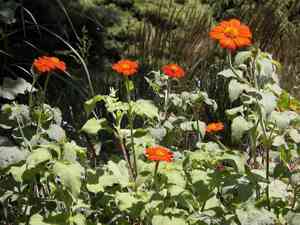
Mexican sunflower (Tithonia rotundifolia)
Also known as: Red sunflower, Mexican marigold
In addition to its ornamental value and ability to attract birds and bees, the Central American Mexican sunflower (Tithonia diversifolia) is sometimes considered an invasive species in various regions. However, it is also utilized as green manure, enhancing soil fertility and boosting agricultural productivity.
In This Article
Attributes of Mexican sunflower
Lifespan
Annual, Perennial, Biennial
Plant Type
Herb
Plant Height
91 cm to 1.8 m
Spread
60 cm to 90 cm
Leaf Color
Green
Flower Size
2.5 cm to 8 cm
Flower Color
Orange Red Yellow Burgundy
Images of Mexican sunflower
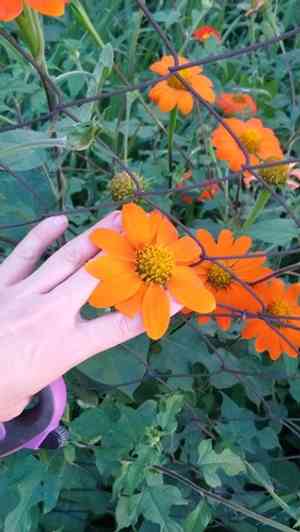
Quickly Identify Mexican sunflower
1
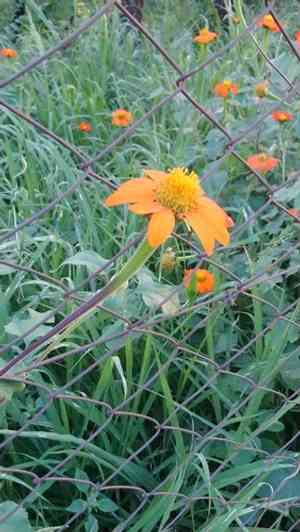
Tall stature: Reaches 3-6 feet (90-180 cm) with broad foliage.
2
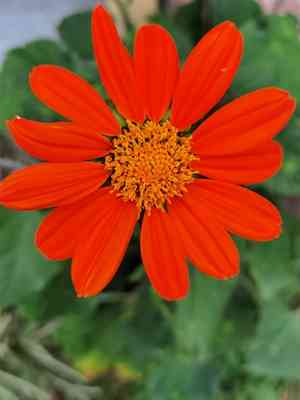
Orange-red flowers: Vibrant blossoms 3 inches (7.6 cm) in diameter.
3
Spiky seed head: Cluster of sharp, textured achenes in tan-brown tones.
4
Hairy stem texture: Densely covered with fine hairs, slightly ridged.
5
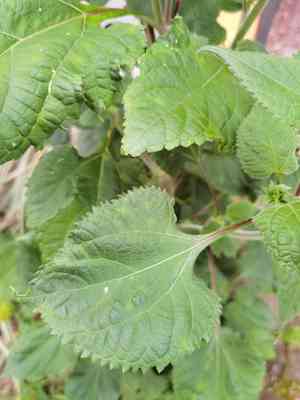
Distinct leaves: 3-12 inches (7.6-30.5 cm) long, pubescent, and variable in shape.
Scientific Classification of Mexican sunflower
Phylum
Vascular plants
Class
Dicotyledons
Order
Asterales
Family
Daisy
Genus
Tithonia
Species
Mexican sunflower
Planting and Growing of Mexican sunflower
Care Difficulty
Easy
Watering Schedule
Every 6 days
Sunlight Requirements
Full sun
Sunshine Duration
4-8 hours
Ideal Temperature
68-77℉
Soil Type
Potting Mix, Peat Mix
Soil pH
6.5-7.5
Fertilizer Type
Balanced
Pruning Season
Spring, Summer
Pruning Area
Branches, Leaves
Pruning Frequency
2 times a year
Repotting Season
Spring
Pot Type
Plastic, Ceramic
 How to Water Mexican sunflower?
Tithonia rotundifolia thrives best when the soil is kept consistently moist but not soggy. Water approximately 500 milliliters per session until the top 1-2 inches of soil feel damp but free from standing water.
What are the symptoms of an underwatered Mexican sunflower?
›
What should I do if my Mexican sunflower is not getting enough water?
›
What are the symptoms of an overwatered Mexican sunflower?
›
How to save an overwatered Mexican sunflower?
›
 What Are the Sunlight Requirements for Mexican sunflower?
Tithonia rotundifolia thrives best in full sun, which means at least 6 to 8 hours of direct sunlight daily. Adequate sunlight results in lush, colorful blooms and sturdy stems, contributing to a robust and healthy appearance.
More About Sunlight Requirements Techniques→
What is the most suitable location for planting?
›
How can I improve sunlight access if my garden is partially shady?
›
What benefits does Tithonia rotundifolia gain from ideal lighting?
›
 What Is the Ideal Temperature Range for Mexican sunflower?
The ideal temperature range for Tithonia rotundifolia, also known as Mexican sunflower, is between 68°F and 77°F. Within this range, the plant is able to thrive, producing vibrant blooms and healthy foliage. These temperatures closely mimic the warm climates native to this species, providing an optimal environment for photosynthesis and growth.
 What Soil is Best for Mexican sunflower?
Tithonia rotundifolia thrives in well-drained soils that prevent waterlogging, which can lead to root rot. Proper drainage ensures roots stay healthy and aerated, promoting vigorous growth and vibrant blooms. This plant benefits from soil rich in organic matter that supplies essential nutrients. Organic-rich soil supports sustained growth and enhances the flower's natural resilience against environmental stresses. Tithonia rotundifolia prefers soils that maintain moderate moisture without becoming soggy. Consistent moisture levels support healthy root systems, while preventing disease associated with overly damp conditions.
 How to Fertilize Mexican sunflower?
For Tithonia rotundifolia, the recommended amount of fertilizer depends on its growth stage. During the initial growth period, use approximately 1 tablespoon of balanced liquid fertilizer per gallon of water every two weeks. During its active blooming phase, you might slightly increase to 1.5 tablespoons, always ensuring the soil remains moist but not over-saturated.
 How to Prune Mexican sunflower?
Start by removing any dead or damaged stems at the base. Then, snip off any unruly or crossing branches to maintain a clean, open center. This encourages airflow and reduces disease risk. Trim the plant into a bushy shape, focusing on the longest stems to control height and shape. Tithonia rotundifolia tends to grow tall, so cutting back the tips of the stems can encourage bushier, more compact growth. Pinching off the terminal buds regularly will prompt side shoots to emerge, resulting in a fuller plant.
More About Pruning Techniques→
 How to Propagate Mexican sunflower plant?
1
Fill seed trays with a well-draining potting mix. Scatter seeds evenly across the surface, then lightly cover them with soil. Water gently and place the trays in a warm, sunny spot. Maintain consistent moisture without overwatering.
2
Choose healthy, non-flowering stems for cuttings. Cut about 4-6 inches from the stem tip, remove the lower leaves, and dip the cut end in rooting hormone before planting in a well-draining potting mix.
3
Once seedlings develop true leaves, they can be transplanted to larger pots or directly into the garden. Ensure they are acclimatized to outdoor conditions gradually to avoid transplant shock.
 How to Repot Mexican sunflower plant?
1
Repot Tithonia rotundifolia when you see roots emerging from the bottom of the pot or when the plant seems to outgrow its current container. Early spring or summer is ideal, as the plant is actively growing and can better adjust to new soil and space.
2
Select a pot that is one size larger than the current one, ensuring it has ample drainage holes. Terra cotta pots are excellent choices because they are porous, allowing for better airflow and moisture regulation, reducing the chances of root rot.
3
Opt for a well-draining loamy soil to repot Tithonia rotundifolia. This type of soil provides essential aeration and prevents waterlogging, which is crucial for the health of the roots. You can mix in some perlite or coarse sand for improved drainage.



