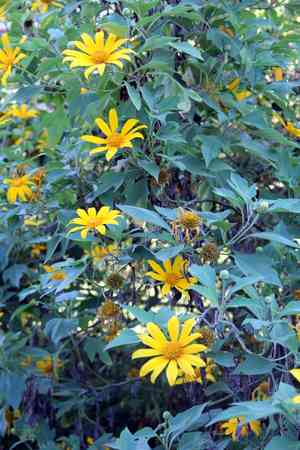
Mexican sunflower (Tithonia diversifolia)
Also known as: Japanese sunflower, Mexican tournesol, Marigold tree
The Mexican Sunflower, or **Tithonia rotundifolia**, is a perennial that can reach heights of up to 3 meters. It originates from Mexico and Central America. This plant displays striking blooms in red, yellow, and orange hues. Both its leaves and flowers are edible, making them suitable for use as garnishes.
In This Article
Attributes of Mexican sunflower
Lifespan
Perennial, Annual
Plant Type
Herb
Plant Height
2 m to 3 m
Spread
3 m to 3.5 m
Leaf Color
Green
Flower Size
5 cm to 15 cm
Flower Color
Yellow Orange
Images of Mexican sunflower


Quickly Identify Mexican sunflower
1
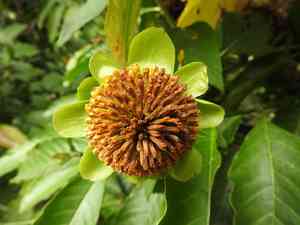
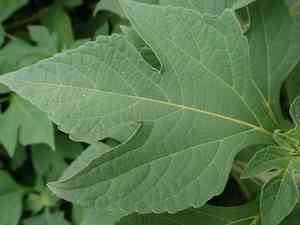
Tithonia diversifolia can be identified by its large, lobed leaves and bright yellow to orange flowers that resemble sunflowers. The plant grows into a bushy shrub and has a coarse, hairy texture.
Scientific Classification of Mexican sunflower
Phylum
Vascular plants
Class
Dicotyledons
Order
Asters bellflowers fanflowers and allies
Family
Daisy
Genus
Tithonia
Species
Mexican sunflower
Planting and Growing of Mexican sunflower
Care Difficulty
Easy
Watering Schedule
Every 2 days
Sunlight Requirements
Full sun
Sunshine Duration
4-8 hours
Ideal Temperature
68-86℉
Soil Type
Potting Mix, Peat Mix
Soil pH
5-7.5
Fertilizer Type
Balanced
Pruning Season
Spring, Summer
Pruning Area
Branches, Leaves
Pruning Frequency
2 times a year
Repotting Season
Spring
Pot Type
Plastic, Ceramic
 How to Water Mexican sunflower?
Tithonia diversifolia benefits from a consistent watering regimen where approximately 500 ml is used per session. The key principle is to ensure the soil is thoroughly moist but not waterlogged, promoting healthy growth without drowning the roots.
What are the symptoms of an underwatered Mexican sunflower?
›
What should I do if my Mexican sunflower is not getting enough water?
›
What are the symptoms of an overwatered Mexican sunflower?
›
How to save an overwatered Mexican sunflower?
›
 What Are the Sunlight Requirements for Mexican sunflower?
Tithonia diversifolia ideally requires full sun exposure. This full sunlight promotes maximum flowering and robust growth, optimizing its natural vigor and ornamental value.
What are the optimal lighting conditions for Tithonia diversifolia?
›
How to achieve these optimal lighting conditions?
›
What benefits does Tithonia diversifolia get from optimal lighting?
›
 What Is the Ideal Temperature Range for Mexican sunflower?
The ideal temperature range for growing Tithonia diversifolia is between 68°F and 86°F. Within this range, the plant can thrive and provide optimal growth. The environment should be warm, resembling its natural tropical and subtropical habitats, to ensure the best results.
 What Soil is Best for Mexican sunflower?
Tithonia diversifolia thrives in well-draining soils that prevent waterlogging. Good drainage promotes healthy root growth and prevents root rot, leading to a more vigorous and robust plant. This plant flourishes in soils abundant in organic matter. Nutrient-rich soils provide essential minerals for optimal growth, resulting in lush foliage and prolific flowering. While Tithonia diversifolia prefers moderate moisture, it's tolerant of intermittent dry spells. Consistent moisture supports sustained flowering and maintains overall plant vitality.
 How to Fertilize Mexican sunflower?
When fertilizing Tithonia diversifolia, use a balanced fertilizer with an N-P-K ratio of 10-10-10. Apply about half a cup per plant for solid fertilizers, while for liquid fertilizers, dilute as per package instructions and ensure comprehensive soil coverage near the roots.
 How to Prune Mexican sunflower?
Begin the pruning process by carefully inspecting your Tithonia diversifolia for any wood that appears dead or diseased. These should be promptly removed to prevent disease from spreading and to encourage healthy growth. Use clean, sharp pruning shears to make precise cuts just above the node of healthy tissue. Once dead or diseased wood has been removed, focus on shaping the plant to your desired form. Trim back any overly long stems or branches that are growing out of control. Make your cuts just above a leaf node to encourage branching, fostering a bushier and more aesthetically pleasing plant. To boost flower production, make a habit of deadheading spent blooms. This redirection of the plant's energy from spent flowers to new growth often results in a more vibrant display. Simply snip off each spent flower just above the next healthy set of leaves.
 How to Propagate Mexican sunflower plant?
1
Collect mature seeds from healthy Tithonia diversifolia plants. Clean and dry them before sowing to ensure they are free from pathogens and suitable for germination.
2
Select a healthy branch from the parent plant, preferably one that is semi-hardwood. Cut a section about 10-15 cm long, removing any flowers and leaves from the lower part.
3
Dip the cut end of each cutting into rooting hormone to enhance root development. Plant the cuttings in a potting mix made of sand and peat moss, keeping them moist but not waterlogged.
 How to Repot Mexican sunflower plant?
1
You should consider repotting Tithonia diversifolia when you notice its roots protruding from the drainage holes or when growth becomes stunted. These signs indicate that the plant has outgrown its container, especially noticeable during the active growing seasons of spring and summer. It's also a good idea to repot if the soil becomes compacted or waterlogged.
2
Select a pot that's only 1-2 inches larger in diameter than the current one. This ensures adequate space for root expansion without overwhelming the plant. A pot with drainage holes is crucial to prevent root rot by allowing excess water to escape. Opting for materials like terra cotta can also help regulate soil moisture levels by allowing some breathability.
3
Tithonia diversifolia thrives in well-draining soil rich in organic matter. A mix designed for cacti or succulents is ideal as it enables proper drainage, preventing root rot and suffocation. Adding perlite or sand to your organic potting mix can enhance aeration and drainage, creating an optimal environment for this fast-growing plant.



