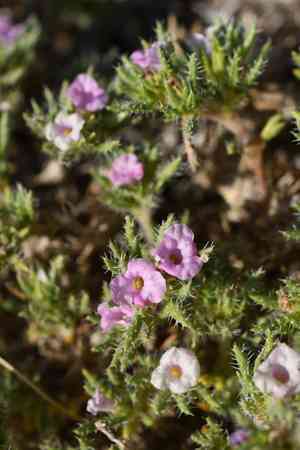
Matted crinklemat (Tiquilia latior)
Also known as: None
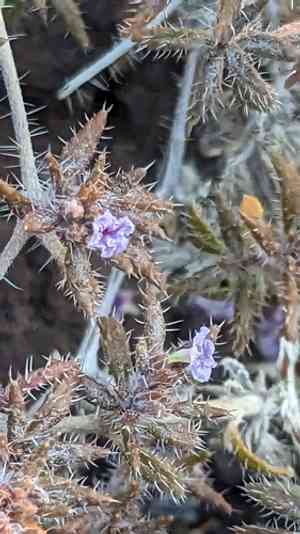
The matted crinklemat, a resilient shrub, thrives in arid landscapes due to several key adaptations. Its sprawling growth habit allows it to cover ground efficiently, helping to reduce water loss. The gray-green leaves are densely covered with fine hairs, which help retain moisture by reducing evaporation. The shrub also produces small, tubular flowers, usually in shades of blue to violet, which are designed to attract pollinators even in the sparse conditions of the desert. These adaptations collectively enable the matted crinklemat to endure and flourish in harsh, dry environments.
In This Article
Attributes of Matted crinklemat
Lifespan
Perennial
Plant Type
Herb
Plant Height
10-30 cm
Spread
Varies, typically around 20-50 cm
Leaf Color
Green
Flower Size
0.5-1 cm
Flower Color
Blue, purple
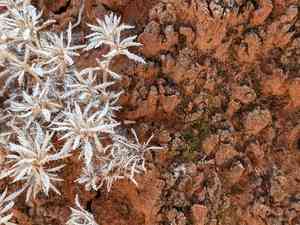
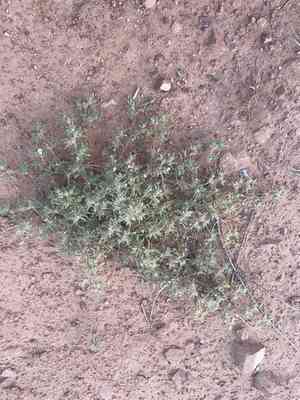
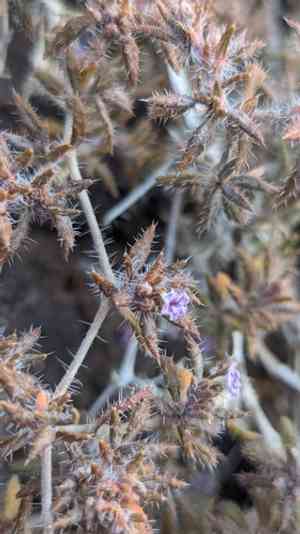
Images of Matted crinklemat
Quickly Identify Matted crinklemat
1
Tiquilia latior can be identified by its small, hairy leaves and low-lying growth habit. The flowers are typically small and inconspicuous, usually blooming in shades of blue or purple.
Scientific Classification of Matted crinklemat
Phylum
Vascular plants
Class
Dicotyledons
Order
Boraginales
Family
Ehretiaceae
Genus
Tiquilia
Species
Matted crinklemat
Planting and Growing of Matted crinklemat
Care Difficulty
Moderate
Watering Schedule
Every 3 days
Sunlight Requirements
Full sun
Sunshine Duration
6-8 hours
Ideal Temperature
65-85℉
Soil Type
Potting Mix, Peat Mix
Soil pH
6.5-7.5
Fertilizer Type
Balanced
Pruning Season
Spring, Summer
Pruning Area
Branches, Leaves
Pruning Frequency
2 times a year
Repotting Season
Spring
Pot Type
Plastic, Ceramic
 How to Water Matted crinklemat?
When watering Tiquilia latior, ensure the soil is completely soaked, allowing excess to drain for healthy growth. The principle is to mimic natural rainfall, ensuring that the roots receive ample moisture without creating a stagnant environment. Approximately 150 milliliters should be sufficient given average soil conditions.
What are the symptoms of an underwatered Matted crinklemat?
›
What should I do if my Matted crinklemat is not getting enough water?
›
What are the symptoms of an overwatered Matted crinklemat?
›
How to save an overwatered Matted crinklemat?
›
 What Are the Sunlight Requirements for Matted crinklemat?
Tiquilia latior thrives in full sunlight, reminiscent of its desert origins. Ideal lighting stimulates robust growth, strong flowering, and resilience against environmental stressors.
What kind of environment does it thrive in?
›
What solutions can achieve ideal lighting?
›
What benefits does ideal lighting provide?
›
 What Is the Ideal Temperature Range for Matted crinklemat?
The ideal temperature range for Tiquilia latior consists of maintaining conditions between 65°F to 85°F. This range ensures optimal metabolic and photosynthetic activity, crucial for the plant's growth and development. During the growing season, it is best to keep temperatures within this ideal range for healthy foliage and robust stem development.
 What Soil is Best for Matted crinklemat?
Tiquilia latior thrives in well-drained soil because it prevents water logging, which can lead to root rot. The natural habitat of this plant tends to be arid, hence replicating this condition supports healthy growth. This plant is adapted to nutrient-poor conditions. Over-fertilization can actually harm it, so providing minimal nutrients aligns with its natural growth pattern and prevents burnout due to excess nourishment. Tiquilia latior prefers soils with low organic matter, as high organic content retains moisture which this plant finds detrimental. Its roots are adapted to seeking nutrients in sparse conditions, enhancing its resilience.
 How to Fertilize Matted crinklemat?
For Tiquilia latior, it's important to apply the right amount of fertilizer. Use a balanced liquid fertilizer, diluted to half strength. Apply approximately 100-150 ml per application for each plant, ensuring even distribution around the base.
 How to Prune Matted crinklemat?
To prune Tiquilia latior, start by identifying any dead or diseased branches. Use sharp, sterilized pruning shears to cut these branches back to the healthy portion of the plant. During spring, focus on removing old growth to make way for new shoots. In summer, perform a light trim to shape the plant and promote a bushier appearance. Always make clean cuts at a slight angle to prevent water collection on the cut surface, which can lead to rot.
More About Pruning Techniques→
 How to Propagate Matted crinklemat plant?
1
Select a healthy part of the plant, ideally a non-flowering shoot, and cut a 4-6 inch segment at a 45-degree angle. Ensure the cutting is taken early in the day when the plant is well-hydrated.
2
Choose high-quality seeds and sow them in a sterile seed-starting mix. Cover lightly with soil, maintaining a moist but not waterlogged environment.
3
Dip the base of the cuttings in rooting hormone to stimulate root growth. Place in a well-draining potting mix under indirect sunlight.
 How to Repot Matted crinklemat plant?
1
Tiquilia latior shows it's ready for repotting when its roots start emerging from the drainage holes or become tightly bound within the pot. Another signal is stagnant growth despite good care. During spring or early summer when the plant is just beginning its growth phase, repotting can best support vigorous development.
2
Select a pot that is one size larger than the current one, with ample drainage holes to prevent water logging. A terracotta or unglazed ceramic pot is ideal as it allows the soil to breathe and helps prevent root rot, which is key for Tiquilia latior's thriving. The right pot ensures stability and supports optimal growth.
3
Opt for a well-draining sandy soil mix, possibly enriched with a bit of cactus or succulent mix. This soil type mimics Tiquilia latior's natural environment, allowing adequate air circulation and water drainage, essential for preventing root rot and promoting healthy root development.
Learn More About Matted crinklemat Diseases
Bacterial Leaf Spot
Bacterial Soft Rot
Bacterial Wilt
Chemical Injury
Crown Gall
Cyst Nematode
Damping-off
Downy Mildew
Drought Stress
Fusarium Wilt
Gray Mold
Leaf Curl
Leaf Spot
Mosaic
Nutrient Deficiency
Nutrient Toxicity
Powdery Mildew
Root Rot
Root-knot Nematode
Rusts
Sooty Mold
Spider Mites
Temperature Stress
Thrips Damage
White Mold



