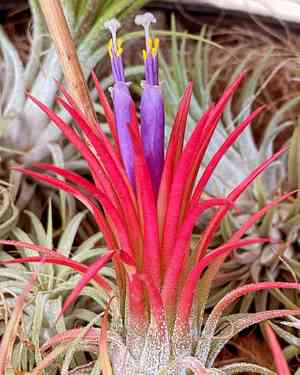
Sky plant (Tillandsia ionantha)
Also known as: Blushing bride airplant
The snake plant (Sansevieria trifasciata) is native to Central America, Mexico, Costa Rica, and South America. This plant has become naturalized in Florida and is highly popular for home cultivation. It is favored for its hardiness and requires minimal care. The snake plant thrives in various indoor conditions, making it an ideal choice for those looking for a low-maintenance houseplant.
In This Article
Plant Comprehensive Care Guide: Beginner's Introduction and Key Details
Perfect for beginners starting their plant care journey
→
10 Secrets to Making Sky plant Grow Faster (A Must-Read for Beginners)
Advanced tips to accelerate your plant's growth
→
Care "Black Tech": 10 Little-Known Highly Effective Maintenance Tips
Expert-level techniques for optimal plant care
→
Attributes of Sky plant
Lifespan
Perennial
Plant Type
Herb
Plant Height
6 m to 8 m
Spread
8 cm to 10 cm
Leaf Color
Green Gray Red Silver
Flower Size
2.5 cm
Flower Color
Purple Blue Red
Images of Sky plant
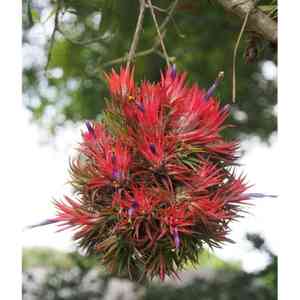
Quickly Identify Sky plant
1
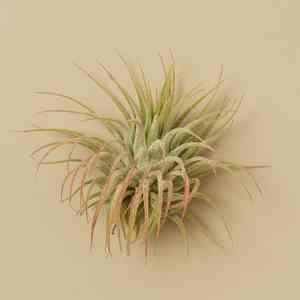
Leaves: Linear-lanceolate, acute, up to 2.5 inches (6 cm) long, silvery gray-white trichomes.
2
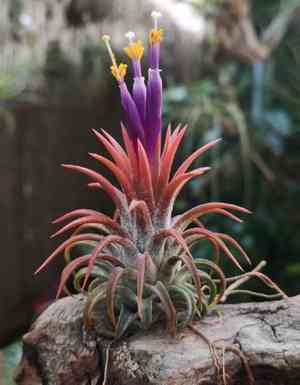
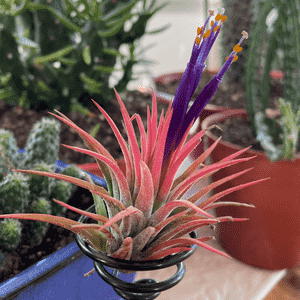
Flowers: Violet-purple tubular petals, up to 1.6 inches (4 cm), with prominent yellow stamens.
3
Fruit: Subcylindric capsule, around 0.5 inches (1.27 cm) long, with feathery seed tufts.
4
Plant size: Typically 2 to 3 inches (5 to 7.6 cm) in total span, ideal for small spaces.
5
Stem: Short, woody textured, 0.5 to 2 inches (1.3 to 5 cm) long, with few roots.
Scientific Classification of Sky plant
Phylum
Vascular plants
Class
Monocotyledons
Order
Poales
Family
Bromeliad
Genus
Airplants
Species
Sky plant
Planting and Growing of Sky plant
Care Difficulty
Easy
Watering Schedule
Every 10 days
Sunlight Requirements
Partial sun
Sunshine Duration
4-8 hours
Ideal Temperature
60-80℉
Soil Type
Potting Mix, Peat Mix
Soil pH
6.5-7.5
Fertilizer Type
Balanced
Pruning Season
Spring, Summer
Pruning Area
Branches, Leaves
Pruning Frequency
2 times a year
Repotting Season
Spring
Pot Type
Plastic, Ceramic
 How to Water Sky plant?
For Tillandsia ionantha, you should aim to saturate the plant when watering, ensuring the base gets a sufficient soak. A light spray or mist, around 30 milliliters, is generally enough to cover its needs without causing waterlogging.
What are the symptoms of an underwatered Sky plant?
›
What should I do if my Sky plant is not getting enough water?
›
What are the symptoms of an overwatered Sky plant?
›
How to save an overwatered Sky plant?
›
 What Are the Sunlight Requirements for Sky plant?
Partial sunlight ensures that Tillandsia ionantha's pigments remain vivid and robust. It facilitates chlorophyll production and energy absorption, essential for growth.
More About Sunlight Requirements Techniques→
How much light does Tillandsia ionantha need?
›
What should I do to ensure optimal lighting?
›
What are the benefits of providing ideal light conditions?
›
 What Is the Ideal Temperature Range for Sky plant?
The ideal temperature range for Tillandsia ionantha is between 60°F and 80°F. These conditions mimic their natural habitats, promoting healthy growth and vibrant coloration. Maintaining these temperatures ensures the plant can photosynthesize effectively and remain hydrated, crucial for its survival.
 What Soil is Best for Sky plant?
Tillandsia ionantha thrives in well-drained soil, which simulates its natural epiphytic conditions. This prevents root rot by ensuring that excess water does not accumulate around the roots, promoting healthy growth and vibrant foliage. This plant prefers soil with low nutrient content, as it can absorb nutrients from the air and rain. Minimal fertilization needs mean less maintenance while still allowing the plant to showcase its brilliant colors. Tillandsia ionantha requires air circulation around its roots, which sandy soil can provide. This promotes the exchange of gases essential for photosynthesis and respiration, ensuring robust plant health.
More About Soil→
 How to Fertilize Sky plant?
Tillandsia ionantha, also known as air plants, require very minimal fertilization. When using liquid fertilizer, dilute it to one-quarter strength of what is recommended on the bottle. This gentle approach ensures the nutrients are provided without overwhelming the plant.
 How to Prune Sky plant?
Use a pair of sharp, sterilized scissors or pruning shears to carefully snip away any dead or discolored leaves. Ensure your tools are clean to prevent the spread of plant diseases. Begin by identifying any dead leaves that are brown or discolored. Gently remove these leaves by cutting them at the base ensuring not to damage healthy foliage. Focus on maintaining the natural rosette shape of the plant. After pruning, place the Tillandsia ionantha in a bright, indirect light spot and ensure good air circulation around the plant. Mist it with water to provide necessary hydration post-pruning.
More About Pruning Techniques→
 How to Propagate Sky plant plant?
1
Before propagating, inspect the parent plant for healthy growth and signs of disease or pests. Remove any dead or unhealthy leaves.
2
Scatter the seeds evenly over the surface of the potting mix in the seed tray. Lightly cover them with a thin layer of the mix to protect them but allow light entry.
3
For division propagation, gently separate the offsets from the parent plant, ensuring each section has roots attached. Use a clean, sharp knife if necessary.
 How to Repot Sky plant plant?
1
Tillandsia ionantha, known as air plants, require repotting when they outgrow their current container or display reduced growth. Typically, this becomes evident when they start to topple over or the plant begins to multiply. Repotting during active growth in spring or summer ensures they establish well in their new homes.
2
Selecting an appropriate pot for Tillandsia involves picking one with ample ventilation. Mesh or wooden containers allow plenty of air circulation, replicating the plant's natural habitat. This promotes healthy growth and prevents water retention, reducing the risk of rot. Avoid heavy or opaque pots as they may limit light penetration and air flow.
3
While Tillandsia typically do not use conventional soil, a mix of bark and perlite offers the ideal medium when repotted. This ensures sufficient drainage and air circulation, preventing excess moisture absorption. A dry, light substrate mimics their epiphytic nature, supporting better growth and nutrient uptake.



