
Lindens (Tilia) (Tilia)
Also known as: Basswoods
Linden trees, also known as Tilia or basswoods in the U.S., are large deciduous members of the mallow family. They feature dense, heart-shaped leaves and fragrant blossoms, making them popular ornamental choices for shade in parks and streets. The lightweight, soft wood is prized for carving, crafts, and model-making due to its workability. Additionally, the flowers are highly valued by beekeepers for their nectar.
In This Article
Attributes of Lindens (Tilia)
Lifespan
Perennial
Plant Height
20-40 meters (65-130 feet)
Spread
10-15 meters (33-50 feet)
Leaf Color
Green in summer, turning yellow in autumn
Flower Size
1-2 cm (0.4-0.8 inches)
Flower Color
Yellow-white
Images of Lindens (Tilia)
Quickly Identify Lindens (Tilia)
1
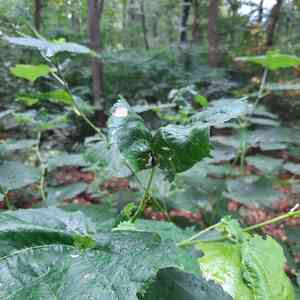
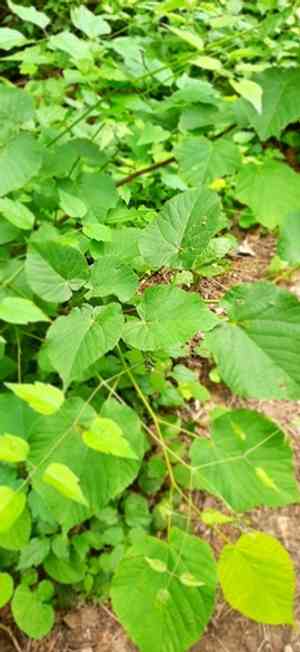
Tilia trees can be identified by their heart-shaped leaves, which often have an asymmetrical base and a serrated edge. The bark is typically smooth and gray in young trees, becoming rougher with age. The fragrant, yellowish-white flowers are also a key identification feature.
Scientific Classification of Lindens (Tilia)
Phylum
Tracheophyta
Class
Magnoliopsida
Order
Malvales
Family
Malvaceae
Genus
Tilia
Planting and Growing of Lindens (Tilia)
Care Difficulty
Moderate
Watering Schedule
Every 3 days
Sunlight Requirements
Full sun
Sunshine Duration
4-8 hours
Ideal Temperature
60-75℉
Soil Type
Potting Mix, Peat Mix
Soil pH
6.5-7.5
Fertilizer Type
Balanced
Pruning Season
Spring, Summer
Pruning Area
Branches, Leaves
Pruning Frequency
2 times a year
Repotting Season
Spring
Pot Type
Plastic, Ceramic
 How to Water Lindens (Tilia)?
When watering Tilia, ensure that the soil is evenly moist but not waterlogged. A good rule of thumb is to water until about 1000 milliliters have been absorbed into the soil, which allows the roots to access adequate moisture without oversaturating the plant. It's crucial to maintain a balance, as excessive water can lead to root rot, while too little can stress the plant.
What are the symptoms of an underwatered Lindens (Tilia)?
›
What should I do if my Lindens (Tilia) is not getting enough water?
›
What are the symptoms of an overwatered Lindens (Tilia)?
›
How to save an overwatered Lindens (Tilia)?
›
 What Are the Sunlight Requirements for Lindens (Tilia)?
Ideal conditions involve full to partial sun exposure. This balanced light access enhances Tilia's photosynthesis process, ensuring healthy foliage and vigorous growth.
What is the best time for sunlight exposure?
›
How to adjust the plant's position for ideal sunlight?
›
What are the benefits of achieving perfect sunlight conditions?
›
 What Is the Ideal Temperature Range for Lindens (Tilia)?
The ideal temperature range for Tilia is between 60°F to 75°F. This range allows for optimal growth and photosynthesis. It is important to maintain this temperature consistently, as fluctuations can stress the plant and affect its development. Ensuring that the plant is within this safe temperature bracket can lead to better foliage and overall plant health.
 What Soil is Best for Lindens (Tilia)?
Tilia requires nutrient-rich soil to thrive, as it supports healthy growth and vibrant foliage. The abundance of nutrients in loamy soil enhances the plant's health and disease resistance. Ensuring well-drained conditions is crucial for Tilia to prevent root rot. Proper drainage helps to maintain optimal moisture levels, promoting robust growth and preventing waterlogging. While Tilia needs well-drained soil, it also benefits from moisture retention. Sandy loam soils provide the perfect balance of drainage and moisture retention, contributing to sustained growth.
 How to Fertilize Lindens (Tilia)?
For Tilia, the fertilizer quantity should be moderate. In spring, begin with about 0.5 pounds of a balanced 10-10-10 fertilizer per inch of trunk diameter. Gradually increase the amount as the tree grows, making sure not to exceed recommended levels to prevent nutrient burn.
 How to Prune Lindens (Tilia)?
Before you start pruning your Tilia tree, make sure you have the right tools: sharp pruning shears, loppers for larger branches, and a pruning saw for thick limbs. Always use clean and sanitized tools to prevent the spread of disease. Begin by removing any dead, damaged, or diseased branches to prevent decay organisms from invading the tree. Proceed to cut back any crossing branches to help maintain a well-balanced shape and improve light penetration. Finally, thin out densely growing areas to encourage airflow and reduce the weight of the canopy.
 How to Propagate Lindens (Tilia) plant?
1
Collect seeds from a mature Tilia tree when they are ripe. Clean them thoroughly to remove any pulp and debris, and allow them to dry for a few days to facilitate easier storage and improve germination rates.
2
Select healthy and disease-free branches for cuttings. Cut them at a diagonal angle to increase rooting surface area, and remove leaves from the bottom half of the cutting to prevent rot and energy loss during rooting.
3
Identify a low-growing branch on the Tilia tree and gently bend it to touch the ground. Cover a portion of the branch with soil, leaving the tip exposed, to encourage root development while it remains attached to the parent plant.
 How to Repot Lindens (Tilia) plant?
1
Tilia needs repotting when roots outgrow the current pot, water runs quickly through the pot indicating root congestion, or when growth becomes stunted. Spring and Autumn are ideal for repotting, as the plant is not actively growing and can recover without stress.
2
Choose a pot that is 2-4 inches larger than the current one, with ample drainage holes. This allows the roots to expand and reduces the risk of waterlogging. Clay pots are recommended for their porous nature, which helps in moisture control.
3
Opt for a loamy, well-draining soil mix, enriched with organic matter like compost. This soil type retains moisture without becoming waterlogged, promoting healthy root development and preventing root rot.

