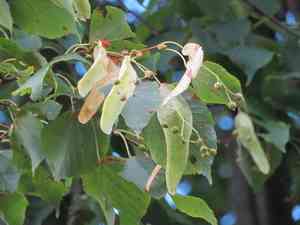
Small-leaved lime (Tilia cordata)
Also known as: Pry, Littleleaf linden
The small-leaved lime (Tilia cordata) is a deciduous tree widely grown as an ornamental plant in parks and along streets globally. Honeybees are particularly attracted to its flowers, producing highly nutritious monofloral honey. Historically, British shipbuilders used the wood for onboard furniture, while French shipbuilders deemed it less suitable for structural purposes, leading to the nickname "limey" for the British.
In This Article
Attributes of Small-leaved lime
Lifespan
Perennial
Plant Type
Tree
Plant Height
15 m to 40 m
Spread
9 m to 15 m
Leaf Color
Green Yellow
Flower Size
2.5 cm
Flower Color
Yellow Cream White
Images of Small-leaved lime
Quickly Identify Small-leaved lime
1
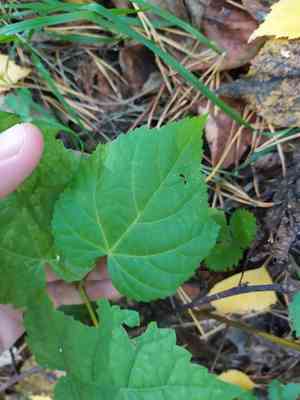
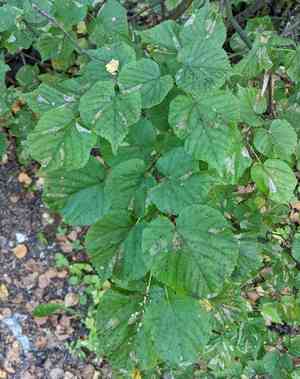
Heart-shaped leaves 1.5-3 inches (3.8-7.6 cm) across, dual-tone green, serrated edges.
2
Creamy yellow cluster flowers, fragrant, pendulous arrangement, attracting bees and butterflies.
3
Small, fuzzy nutlets 1/4 inch (6-7 mm) diameter, pale green turning tan when mature.
4
Reddish-brown stem with zig-zag pattern, shiny oval buds, 0.4-0.8 inches (1-2 cm) thick.
5
Trunk matures to dark gray with deep furrows and ridges, distinct from other trees.
Scientific Classification of Small-leaved lime
Phylum
Vascular plants
Class
Dicotyledons
Order
Mallows, rock-roses, and allies
Family
Mallow
Genus
Lindens
Species
Small-leaved lime
Planting and Growing of Small-leaved lime
Care Difficulty
Easy
Watering Schedule
Every 3 days
Sunlight Requirements
Partial sun
Sunshine Duration
4-8 hours
Ideal Temperature
65-77℉
Soil Type
Potting Mix, Peat Mix
Soil pH
6.5-7.5
Fertilizer Type
Balanced
Pruning Season
Spring, Summer
Pruning Area
Branches, Leaves
Pruning Frequency
2 times a year
Repotting Season
Spring
Pot Type
Plastic, Ceramic
 How to Water Small-leaved lime?
For Tilia cordata, water until the surrounding soil is moist but not waterlogged, approximately 500 ml per watering session. Ensure that the water reaches at least halfway through the root zone to provide ample moisture for the tree's needs without causing root rot.
More About Watering Techniques→
What are the symptoms of an underwatered Small-leaved lime?
›
What should I do if my Small-leaved lime is not getting enough water?
›
What are the symptoms of an overwatered Small-leaved lime?
›
How to save an overwatered Small-leaved lime?
›
 What Are the Sunlight Requirements for Small-leaved lime?
Ideally, Tilia cordata prefers partial sun to full sun, which encourages a robust and healthy structure. Proper light conditions contribute to vibrant leaves and active growth cycles, enhancing its aesthetic presence and ecological contributions.
More About Sunlight Requirements Techniques→
What type of sunlight is ideal for Tilia cordata?
›
How can I ensure Tilia cordata receives enough sunlight?
›
What benefits does ideal sunlight provide to Tilia cordata?
›
 What Is the Ideal Temperature Range for Small-leaved lime?
The ideal temperature range for Tilia cordata, commonly known as the small-leaved lime, is between 65°F and 77°F. Within this range, the plant exhibits optimal growth and physiological functions. Maintaining temperatures within this range helps ensure that the plant's cellular processes operate efficiently, promoting vigorous leaf and flower development.
 What Soil is Best for Small-leaved lime?
Tilia cordata thrives in well-draining soil that prevents root rot by ensuring excess water moves away from the plant roots. This requirement is crucial as it promotes healthy root development and prevents waterlogging, which can be detrimental to the tree's health. The tree prefers soil with moderate fertility, balancing nutrients without being overly rich. Soil that is too fertile can cause excessive growth that weakens the structure, while moderately fertile soil supports steady, healthy growth. While well-draining, the soil should also retain adequate moisture to support Tilia cordata's hydration needs, especially during dry spells. Adequate moisture retention aids in maintaining the tree's lush leaves and overall vigor.
More About Soil→
 How to Fertilize Small-leaved lime?
For Tilia cordata, it is essential to provide the right amount of nutrients to ensure healthy growth. During the active growing season, apply a balanced liquid fertilizer containing nitrogen, phosphorus, and potassium. Use about 1/2 to 1 ounce per gallon of water, ensuring even distribution across the soil.
More About Fertilizing Techniques→
 How to Prune Small-leaved lime?
Before pruning, understand the growth pattern of Tilia cordata. This tree, known for its dense, pyramidal canopy, should be pruned to maintain its natural shape. Focus on removing dead, diseased, or crossing branches to promote healthy growth and retain the tree's structural integrity. Start by inspecting the tree and identifying the branches that need removal. Use sharp, clean pruning shears to make clean cuts at the branch collar. Remove any branches that rub against each other or crowd the canopy. Avoid topping the tree, as this can lead to weak branch structures and increased susceptibility to disease.
More About Pruning Techniques→
 How to Propagate Small-leaved lime plant?
1
Collect seeds from mature Tilia cordata trees in late summer. Ensure seeds are cleaned and dried before storage or immediate use.
2
Select healthy branches for cuttings. Cut them to about 6 inches long, ensuring there are several nodes on each cutting.
3
Choose a healthy branch still attached to the parent plant, bury part of it in soil, and wait for roots to develop before severing it from the parent plant.
 How to Repot Small-leaved lime plant?
1
Tilia cordata, or small-leaved lime, signals its readiness for repotting when its roots start crowding out the drainage holes or the growth seems stunted. Another sign is when the soil appears less absorbent to water. Ideally, repot during spring or autumn when the plant is not in active growth or dormancy.
2
Select a pot that is approximately 2-4 inches larger in diameter than the current one. This ensures adequate room for root expansion without overwhelming the plant. The pot should have good drainage to prevent water stagnation, which can lead to root rot. Opt for breathable materials like terracotta for better moisture control.
3
Choose a loamy, well-draining soil mix. This type of soil maintains the balance between moisture retention and allowing excess water to escape. Adding organic matter like compost can enhance nutrient availability, giving the tree a robust start in its new pot. A pH of around 6.5 is optimal for nutrient uptake in Tilia cordata.



