
Tilia × europaea (Tilia × europaea)
Also known as: Common Lime, European Lime, Linden
Tilia × europaea, typically referred to as the European lime, common lime (in the British Isles), or common linden, is a naturally formed hybrid resulting from a cross between the small-leaved lime (Tilia cordata) and the large-leaved lime (Tilia platyphyllos). This hybrid appears naturally in various places across Europe wherever both of its parent species are indigenous. Despite sharing a name, this tree bears no close biological relation to the lime fruit tree, which is a member of the citrus family.
In This Article
Attributes of Tilia × europaea
Lifespan
Perennial
Plant Height
20-40 meters
Spread
Variable
Leaf Color
Green
Flower Size
0.6-1 cm
Flower Color
Creamy-Yellow
Images of Tilia × europaea
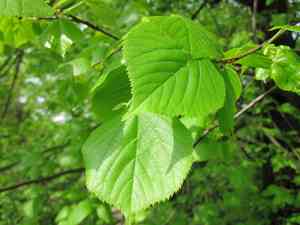

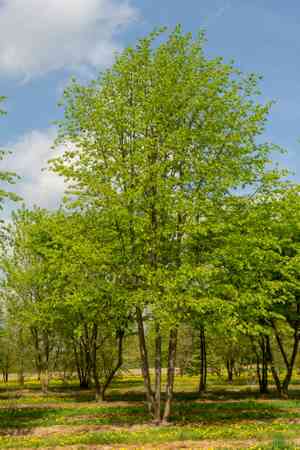
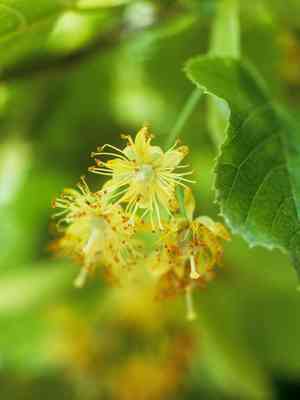
Quickly Identify Tilia × europaea
1
The common lime can be identified from the shape and arrangement of its leaves, the colour and fragrance of its flowers, and by the shape and size of its trunk and crown.
Scientific Classification of Tilia × europaea
Phylum
Tracheophyta
Class
Magnoliopsida
Order
Malvales
Family
Malvaceae
Genus
Tilia
Species
T. × europaea
Planting and Growing of Tilia × europaea
Care Difficulty
Easy
Watering Schedule
Every 4 days
Sunlight Requirements
Full sun
Sunshine Duration
4-8 hours
Ideal Temperature
60-75℉
Soil Type
Potting Mix, Peat Mix
Soil pH
6.5-7.5
Fertilizer Type
Balanced
Pruning Season
Spring, Summer
Pruning Area
Branches, Leaves
Pruning Frequency
2 times a year
Repotting Season
Spring
Pot Type
Terracotta, Plastic
 How to Water Tilia × europaea?
For Tilia × europaea, the watering should be deep yet infrequent. This means applying enough water, approximately 2000 milliliters, to ensure soil is moistened to a depth of several inches without promoting waterlogging. This deep watering encourages roots to grow deep into the soil, establishing a strong system that can withstand periods of drought.
What are the symptoms of an underwatered Tilia × europaea?
›
What should I do if my Tilia × europaea is not getting enough water?
›
What are the symptoms of an overwatered Tilia × europaea?
›
How to save an overwatered Tilia × europaea?
›
 What Are the Sunlight Requirements for Tilia × europaea?
Partial to full sun is ideal for Tilia × europaea. With consistent exposure, it flourishes, developing strong, healthy branches and a dense canopy, optimizing its ornamental and functional roles.
How much sunlight does Tilia × europaea need to thrive?
›
What should you do to ensure it gets the ideal light?
›
What are the benefits when it receives the right amount of sunlight?
›
 What Is the Ideal Temperature Range for Tilia × europaea?
For optimal growth, Tilia × europaea thrives best in temperature ranges between 60°F and 75°F. Within this zone, the physiological processes such as photosynthesis, nutrient uptake, and enzyme activities are more efficient, leading to healthier foliage and growth.
 What Soil is Best for Tilia × europaea?
Tilia × europaea thrives in well-draining soil, which allows excess water to escape. This is critical to prevent root rot and ensure that the roots have access to oxygen. Soil that retains too much water can cause the roots to suffocate and lead to plant stress. The tree benefits from soil rich in organic matter, which provides essential nutrients and improves soil structure. Organic matter also enhances moisture retention abilities, promoting sustained growth and health of the Tilia × europaea. Tilia × europaea thrives in moderately fertile soils. High levels of fertility can lead to excessive leaf growth at the expense of flowers. A balanced nutrient profile supports healthy development without promoting weaker structures.
 How to Fertilize Tilia × europaea?
For Tilia × europaea, the recommended fertilizer amount should be balanced to promote healthy growth. Typically, a well-balanced 10-10-10 NPK fertilizer can be used at a rate of 1 pound for each inch of trunk diameter. Ensure even distribution around the tree’s drip line to avoid nutrient concentration in one area.
 How to Prune Tilia × europaea?
Start by inspecting the tree and identifying any dead, diseased, or damaged branches. Remove these at their base to ensure the health of the tree. Cut as close to the trunk as possible without damaging the trunk tissue. After removing the problem branches, focus on shaping the tree. Tilia × europaea can be trained into a variety of shapes; however, a natural shape that allows for ample air circulation is optimal. Selectively thin branches to avoid congestion at the center of the tree. Once you have completed pruning, inspect the work done. Look for any jagged or rough cuts and make clean retrims as needed. Ensure the canopy isn't too dense, which could lead to post-rain damage or poor light penetration.
More About Pruning Techniques→
 How to Propagate Tilia × europaea plant?
1
Choose healthy, disease-free cuttings approximately 10-15 cm long with at least two leaf nodes. This ensures optimal growth potential and ease of rooting.
2
Strip the leaves from the lower half of each cutting, dip the cut end in rooting hormone, and plant in a potting medium. This helps establish a strong root system.
3
For grafting, match the rootstock and scion diameters closely, ensuring clean grafting cuts and secure binding. This maximizes vascular contact and graft take success.
 How to Repot Tilia × europaea plant?
1
Tilia × europaea needs repotting when root-bound, evident by roots emerging from drainage holes or water quickly running through the pot. The best time to repot is early spring or autumn, when the plant is less stressed.
2
Select a pot that is 2-3 inches larger in diameter than the current one. Ensure it has adequate drainage holes to prevent waterlogging. A suitable pot size provides room for growth and reduces root circling, enhancing health.
3
Opt for a well-draining loam mix enriched with organic matter. This type of soil retains vital moisture while maintaining adequate drainage, replicating natural growth conditions and promoting healthy root development.



