
Ribbed fringepod (Thysanocarpus radians)
Also known as: Western Flounce Bush
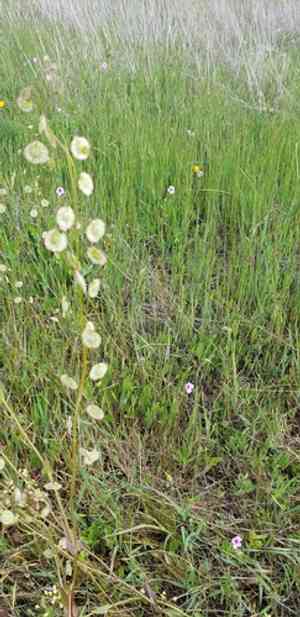
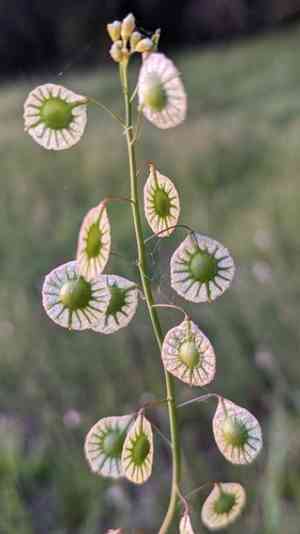
The ribbed fringepod is a delicate, annual wildflower known for its tiny, white flowers and intricate, lacy foliage. Its most striking feature is the round, fringed seed pods that glisten in the sunlight, resembling small, shiny coins. This plant flourishes in open, sunny environments, such as prairies and rocky slopes, where it benefits from the direct exposure to sunlight and dry conditions.
In This Article
Attributes of Ribbed fringepod
Lifespan
Annual
Plant Type
Herb
Plant Height
0.1 - 0.5 meters
Spread
Not typically applicable for herbaceous plants; generally does not form a significant crown.
Leaf Color
Green
Flower Size
0.2 - 0.5 centimeters
Flower Color
White to pale purple
Images of Ribbed fringepod
Quickly Identify Ribbed fringepod
1
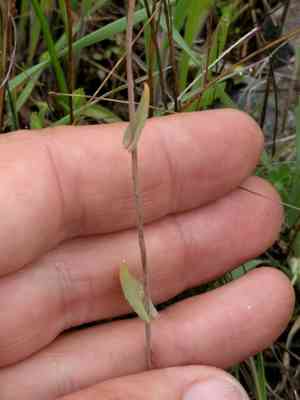
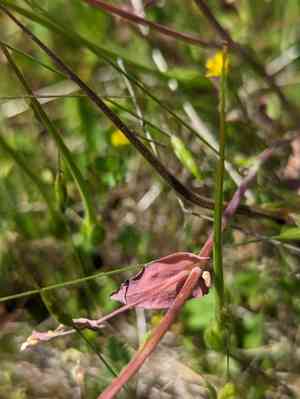
Thysanocarpus radians can be identified by its delicate, fern-like leaves and unique seed pods that have a fringe-like margin. The seed pods are usually round and have a radial symmetry, which is a key identification feature.
Scientific Classification of Ribbed fringepod
Phylum
Vascular plants
Class
Dicotyledons
Order
Brassicales
Family
Cruciferae
Genus
fringepods
Species
Ribbed fringepod
Planting and Growing of Ribbed fringepod
Care Difficulty
Easy
Watering Schedule
Every 2 days
Sunlight Requirements
Full sun
Sunshine Duration
4-8 hours
Ideal Temperature
60-75℉
Soil Type
Potting Mix, Peat Mix
Soil pH
6.5-7.5
Fertilizer Type
Balanced
Pruning Season
Spring, Summer
Pruning Area
Branches, Leaves
Pruning Frequency
Once a year
Repotting Season
Spring
Pot Type
Plastic, Ceramic
 How to Water Ribbed fringepod?
For Thysanocarpus radians, it is crucial to water until the soil is consistently moist but never swampy. Aim for about 250 ml per watering session, allowing the water to seep into the roots for optimal plant absorption.
What are the symptoms of an underwatered Ribbed fringepod?
›
What should I do if my Ribbed fringepod is not getting enough water?
›
What are the symptoms of an overwatered Ribbed fringepod?
›
How to save an overwatered Ribbed fringepod?
›
 What Are the Sunlight Requirements for Ribbed fringepod?
Thysanocarpus radians prefers full to partial sun exposure, enhancing vibrant foliage and healthy development. Sufficient sunlight boosts its photosynthetic rate, crucial for a thriving plant.
What is the ideal light for Thysanocarpus radians?
›
How can I ensure my plant gets ideal light?
›
What benefits does ideal lighting confer?
›
 What Is the Ideal Temperature Range for Ribbed fringepod?
Maintaining an ideal temperature range between 60°F and 75°F is crucial for the optimal growth of Thysanocarpus radians. This range helps the plant to efficiently conduct photosynthesis, ensuring healthy growth and development. It is important to monitor environmental temperatures consistently to keep them within this range.
 What Soil is Best for Ribbed fringepod?
For Thysanocarpus radians, well-drained soil is crucial to prevent root rot and ensure healthy growth. This plant thrives in sandy or loamy soils where water can pass through easily, allowing the roots to breathe and avoid waterlogging, which can be detrimental. While Thysanocarpus radians is not particularly demanding, it still benefits from a medium that is rich in essential nutrients. Ensuring your soil contains a balance of organic matter will promote vigorous growth and enhance the plant's natural vigor. Maintaining a stable pH level within the range of 6.5 to 7.5 is vital for Thysanocarpus radians. The slight acidity to neutrality in soil pH helps in the proper uptake of nutrients, supporting overall plant health and development.
 How to Fertilize Ribbed fringepod?
For Thysanocarpus radians, it's crucial to use a modest amount of fertilizer to avoid over-fertilization. A quarter-strength all-purpose liquid fertilizer is ideal during its growing season. Apply about 1/4 teaspoon of liquid fertilizer mixed in a gallon of water per application.
 How to Prune Ribbed fringepod?
Begin pruning by inspecting the plant for any dead or yellowing leaves and remove these first. Follow by trimming any branches that are too long and disrupt the desired shape of the plant. Make clean cuts just above a node or leaf to encourage healthy regrowth. Consistently monitor the plant's health and adjust your pruning techniques as necessary to maintain optimal growth. After pruning, water the plant to alleviate stress and boost its recovery. Check for any signs of pests or disease in the days following pruning to ensure the plant's well-being. Fertilize lightly if needed to provide additional nutrients for regrowth.
More About Pruning Techniques→
 How to Propagate Ribbed fringepod plant?
1
Start by filling seed trays with potting soil up to about a half inch from the top. Ensure the soil is slightly damp before planting to provide a conducive environment for the seeds. Proper soil preparation is crucial for even germination.
2
Place seeds on the surface of the pre-prepared soil. Cover them gently with a thin layer of soil. Maintain even spacing to prevent overcrowding as this can inhibit growth and lead to weaker seedlings.
3
Once the seeds are sown, water them gently using a spray bottle or a fine mist watering can. Ensure the soil remains moist, not waterlogged, during the germination period. Regularly check the trays for signs of drying and adjust as needed.
 How to Repot Ribbed fringepod plant?
1
Repotting Thysanocarpus radians is recommended when you notice the roots growing out of the drainage holes, the soil is compacted, or the plant appears too large for its current pot. These signals indicate that your plant needs more space to thrive.
2
Choose a pot that is one size larger than the current pot with adequate drainage holes. This ensures proper water drainage, preventing root rot and promoting healthy root development. A clay or terracotta pot is a great choice as it enhances air exchange.
3
Opt for a well-draining sandy soil mix to emulate the natural growing conditions of Thysanocarpus radians. A mix that includes perlite and coarse sand will provide excellent aeration and drainage, crucial for preventing root rot and ensuring robust growth.
Learn More About Ribbed fringepod Diseases
Anthracnose
Bacterial Leaf Spot
Bacterial Soft Rot
Chemical Injury
Damping-off
Downy Mildew
Drought Stress
Fusarium Wilt
Gray Mold
Leaf Spot
Mosaic
Nutrient Deficiency
Nutrient Toxicity
Powdery Mildew
Root Rot
Root-knot Nematode
Rusts
Sooty Mold
Spider Mites
Temperature Stress
Thrips Damage
White Mold



