Thymes (Thymus)(Thymus)

Thymes (Thymus) (Thymus)

Also known as: Thyme, Common Thyme, Garden Thyme, Wild Thyme

Thyme is a hardy perennial herb with both upright and creeping varieties, belonging to the mint family.

**Characteristics:**
- **Growth Form:** Includes both compact, upright plants and low-growing, spreading forms.
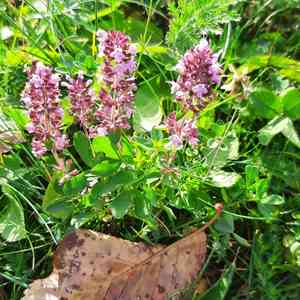
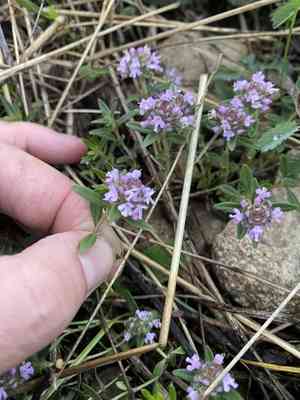
- **Flowers:** Produces small blooms in shades of pink, white, and purple, adding visual interest.
- **Aroma:** Highly aromatic, with a sweet, earthy fragrance, intensified when the leaves are crushed.

**Uses in Gardening:**
- **Ground Cover:** Effective for covering large areas, adding a lush, green carpet with seasonal flowers.
- **Fragrance:** Adds a pleasant scent to gardens and walkways.
- **Pest Control:** Acts as a natural pest deterrent and attracts pollinators.

**Uses in Cooking:**
- **Culinary Herb:** Integral to many global cuisines, especially Mediterranean dishes.
- **Flavor Profile:** Enhances the taste of meats, soups, stews, and roasted vegetables with its aromatic leaves.
- **Versatility:** Can be used either fresh or dried, maintaining its robust flavor.

Thyme is cherished both for its aesthetic appeal in gardens and its indispensable role in cooking, offering a delightful fragrance and taste.

Attributes of Thymes (Thymus)

Lifespan
Perennial
Plant Height
10-30 cm (4-12 inches)
Spread
Typically 30-60 cm (12-24 inches)
Leaf Color
Green, sometimes with grayish or purple hues
Flower Size
Flowers are small, typically 4-10 mm across
Flower Color
Pink, lilac, white

ForwardPlant - Identify plants with a snap

Identify and diagnose plants, get toxicity alerts, and explore safety guides for all types of fungi.

Try for Free

Images of Thymes (Thymus)

Thymes (Thymus)(Thymus)

Quickly Identify Thymes (Thymus)

1
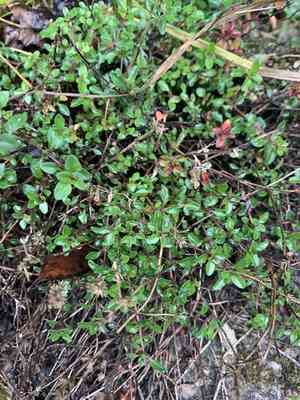
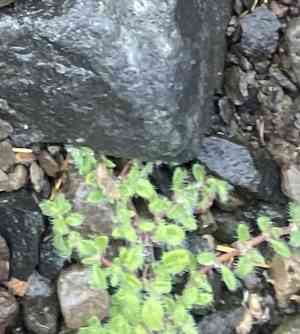
Thymus plants are low-growing perennials with tiny, aromatic leaves. They often have a sprawling or mat-forming habit and produce small clusters of tubular flowers in shades of pink, lilac, and white. The leaves are usually small, ovate to oblong, and frequently covered in tiny hairs.

Scientific Classification of Thymes (Thymus)

Phylum
Magnoliophyta
Class
Magnoliopsida
Order
Lamiales
Family
Lamiaceae
Genus
Thymus

Planting and Growing of Thymes (Thymus)

Care Difficulty
Easy
Watering Schedule
Every 4 days
Sunlight Requirements
Full sun
Sunshine Duration
4-6 hours
Ideal Temperature
60-75℉
Soil Type
Potting Mix, Peat Mix
Soil pH
6.5-8.5
Fertilizer Type
Balanced
Pruning Season
Spring, Summer
Pruning Area
Branches, Leaves
Pruning Frequency
2 times a year
Repotting Season
Spring
Pot Type
Terracotta, Plastic

water icon How to Water Thymes (Thymus)?

Thymus, commonly known as thyme, prefers soil that is moderately moist. Water about 250 ml per watering session, ensuring that the soil is completely soaked but not waterlogged. The soil should return to a slightly dry state before the next watering to mimic its natural habitat.
What are the symptoms of an underwatered Thymes (Thymus)? ›
What should I do if my Thymes (Thymus) is not getting enough water? ›
What are the symptoms of an overwatered Thymes (Thymus)? ›
How to save an overwatered Thymes (Thymus)? ›

sunlight icon What Are the Sunlight Requirements for Thymes (Thymus)?

Sunlight Requirements: Full sun, Partial sun
Duration of light: 6 to 10 hours daily
Thymus thrives best in full to partial sunlight, receiving about 6 to 10 hours of light daily. Ideal lighting boosts its health, maximizes its aromatic properties, and ensures spectacular blooming.
What is the optimal light condition for Thymus? ›
How can I ensure Thymus receives ideal lighting? ›
What are the benefits of providing ideal lighting conditions for Thymus? ›

temperature icon What Is the Ideal Temperature Range for Thymes (Thymus)?

Ideal Temperature: 60 ~ 75℉
The optimal temperature range for growing Thymus, a genus of aromatic plants, is between 60°F and 75°F. Within this range, the plant can achieve its best growth and aromatic qualities. At these temperatures, metabolic processes occur efficiently, leading to robust foliage and vigorous growth. Additionally, this range supports the plant’s ability to develop essential oils that contribute to its characteristic aroma and flavor, making it ideal for culinary and medicinal uses.

soil icon What Soil is Best for Thymes (Thymus)?

Soil type: Sandy soil, Loam, Sandy loam
Soil PH: 6.5 ~ 8.5
Thymus thrives in well-drained soils which prevent root rot. Ensuring good drainage helps the plant absorb nutrients efficiently, promoting healthy growth and vibrant foliage. Thymus plants prefer moderately fertile soil that doesn't overwhelm them with nutrients. This balance helps foster essential oil production, enhancing the plant's fragrance and culinary value. Neutral to slightly alkaline soil pH levels promote optimal nutrient uptake for Thymus. This condition helps maintain robust health and supports substantial bloom yield.

fertilize icon How to Fertilize Thymes (Thymus)?

Fertilizer type: Balanced
When it comes to the amount of fertilizer for Thymus, it's crucial to remember that this plant prefers a light hand. Use a balanced liquid fertilizer at half-strength for best results to avoid overwhelming the plant.

prune icon How to Prune Thymes (Thymus)?

Pruning Time: Spring, Summer
Start your pruning project with clean, sharp scissors or shears. This prevents the transmission of diseases and ensures clean cuts that heal more efficiently, promoting healthy regrowth. Trim about one-third of the new growth from each branch. This encourages the plant to develop fresh shoots and keeps the herb dense. Be careful not to cut into the woody part of the plant, which may not generate new growth. Consider the plant's shape as you prune. Aim for a rounded appearance by cutting varying lengths of stems slightly above the leaf nodes. This personal touch prevents the plant from appearing too uniform and encourages natural growth patterns.

propagate icon How to Propagate Thymes (Thymus) plant?

Propagate Time: Spring,Early spring,Late spring
1
Start by preparing well-draining soil, preferably with added sand to ensure proper aeration. The soil should be slightly acidic to neutral in pH and free from pests and pathogens to support healthy root development.
2
Sow Thymus seeds on the surface of the soil medium and lightly cover them with a thin layer of vermiculite or sand. This helps to retain moisture and encourages better light exposure, which is essential for germination.
3
Water the planted seeds gently using a spray bottle to avoid washing them away. Maintain consistent moisture in the soil but avoid overwatering, which can cause fungal issues such as damping-off.

repot icon How to Repot Thymes (Thymus) plant?

Repotting frequency: Every 1-2 years
1
Thymus plants signal the need for repotting when you notice roots protruding from the drainage holes, slower growth, or soil that dries out faster than usual. The optimal timing is during the growing seasons of spring and autumn when the plant has the best chance to recover and thrive.
2
Select a pot that is one size larger than the current one and has adequate drainage holes. A terracotta pot is often preferred as it promotes better air exchange and helps prevent overwatering. Ensuring proper drainage is crucial to avoid root rot and ensure healthy growth.
3
Opt for a well-draining soil mix, ideally with added perlite or sand to enhance drainage. The soil should be light and airy, allowing water to pass through with ease while holding enough moisture for the plant to access nutrients. This supports a healthy root system and prevents waterlogging.

ForwardPlant - Identify plants with a snap

Find the best spots for them to optimize their health, simply using your phone.

Try for Free