
Woolly pricklyleaf (Thymophylla micropoides)
Also known as: Dogweed, Dogweed bristle daisy
The plant you're referring to is the Acacia dealbata, commonly known as the silver wattle. This plant features dense, fern-like leaves and is known for its bright yellow, fluffy flowers. It's a hardy species that flourishes in well-drained soils, making it an excellent choice for areas with dry conditions. The silver wattle not only adds vibrant color but also withstands challenging climates where other plants may struggle.
In This Article
Attributes of Woolly pricklyleaf
Lifespan
Annual
Plant Type
Herb
Plant Height
10-30 cm
Spread
20-40 cm
Leaf Color
Green
Flower Size
1-2 cm
Flower Color
Yellow
Images of Woolly pricklyleaf
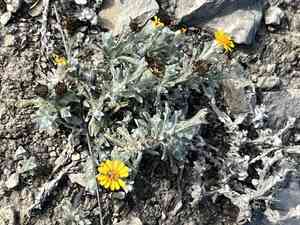
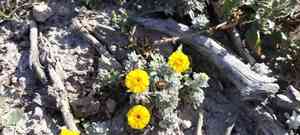
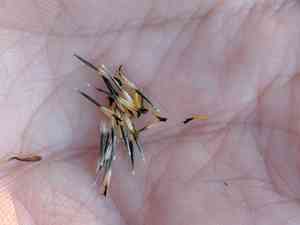
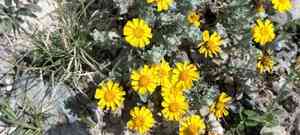
Quickly Identify Woolly pricklyleaf
1
Identify Thymophylla micropoides by its intricately divided, needle-like leaves and bright yellow, daisy-like flowers that bloom on terminal stems. Its overall low-growing and mounded habit is also distinctive.
Scientific Classification of Woolly pricklyleaf
Phylum
Vascular plants
Class
Dicotyledons
Order
Asterales
Family
Daisy
Genus
Pricklyleaf
Species
Woolly pricklyleaf
Planting and Growing of Woolly pricklyleaf
Care Difficulty
Easy
Watering Schedule
Every 3 days
Sunlight Requirements
Full sun
Sunshine Duration
6-10 hours
Ideal Temperature
60-75℉
Soil Type
Potting Mix, Peat Mix
Soil pH
6.5-7.5
Fertilizer Type
Balanced
Pruning Season
Spring, Summer
Pruning Area
Branches, Leaves
Pruning Frequency
2 times a year
Repotting Season
Spring
Pot Type
Plastic, Ceramic
 How to Water Woolly pricklyleaf?
For Thymophylla micropoides, it's crucial to maintain a balance. Water until the soil is evenly moist, but make sure any excess water drains away. The top inch of soil should dry out before you water again, ensuring the roots remain healthy without becoming waterlogged.
What are the symptoms of an underwatered Woolly pricklyleaf?
›
What should I do if my Woolly pricklyleaf is not getting enough water?
›
What are the symptoms of an overwatered Woolly pricklyleaf?
›
How to save an overwatered Woolly pricklyleaf?
›
 What Are the Sunlight Requirements for Woolly pricklyleaf?
Full sun exposure is ideal for Thymophylla micropoides. This ensures lush growth and abundant flowering, enhancing its decorative appeal and health.
How does Thymophylla micropoides thrive best?
›
What are the solutions for achieving ideal lighting for Thymophylla micropoides?
›
What benefits does ideal sunlight bring to Thymophylla micropoides?
›
 What Is the Ideal Temperature Range for Woolly pricklyleaf?
Thymophylla micropoides thrives best in temperatures ranging between 60°F and 75°F. These temperatures provide an optimal environment for growth, ensuring the plant doesn't undergo stress that could hinder its development. Consistent temperatures in this range help maintain ideal moisture levels and support nutrient uptake.
 What Soil is Best for Woolly pricklyleaf?
Thymophylla micropoides thrives in well-draining soil. Ensuring the soil has excellent drainage prevents water from pooling around the roots, which can lead to root rot. Well-drained soil helps the plant absorb nutrients more efficiently, promoting robust growth and vibrant blooms. While Thymophylla micropoides can tolerate poorer soils, enriching the soil with organic matter can improve plant vitality. Nutrient-rich soil encourages a healthier root system and more abundant flowering, making your garden a bright and lively space. This plant prefers moderately moist soil but can withstand some drought once established. Keeping soil moderately moist is crucial for new plantings to help establish a strong root system, thus aiding overall plant resilience and growth.
 How to Fertilize Woolly pricklyleaf?
For Thymophylla micropoides, it is essential to use a balanced fertilizer that provides a moderate amount of nutrients. Typically, you should use 1/4 to 1/2 the recommended strength of a water-soluble fertilizer during the growing season. This ensures the plant receives adequate nutrition without the risk of over-fertilization.
 How to Prune Woolly pricklyleaf?
Start by examining the plant for any stems that are dead, damaged, or diseased. You want to remove these first to channel the plant's energy into producing healthy new growth. Cut back to the base of the problem area or to the next healthy node. Once dead or damaged areas are addressed, proceed to trim back excess growth by cutting just above a leaf node. This encourages the plant to branch out more actively, resulting in a fuller appearance. Be mindful not to remove more than one-third of the plant at a time to avoid shock. Use pruning to maintain the desired shape of your Thymophylla micropoides. Whether you prefer a rounded bush or a specific artistic form, gentle, mindful pruning over time will help keep the plant within the desired contour.
More About Pruning Techniques→
 How to Propagate Woolly pricklyleaf plant?
1
Use well-draining soil, enriched with organic material. This is important to prevent waterlogging and to provide the necessary nutrients for the young plants.
2
Sow the seeds evenly on the soil surface and lightly cover them with a thin layer of soil. Ensure they receive enough light and warmth to stimulate germination.
3
Select a healthy stem from the parent plant, remove a few inches from the tip, and strip the lower leaves. This helps the cutting focus its energy on root development.
 How to Repot Woolly pricklyleaf plant?
1
You know it's time to repot Thymophylla micropoides when its roots start emerging from the pot's drainage holes, the soil dries too quickly, or the plant has clearly outgrown its current container. These signals typically appear after a couple of active growing seasons.
2
Opt for a pot that is about one to two inches larger in diameter than the current one to allow for root expansion. The pot should have sufficient drainage holes to prevent waterlogging, which can cause root rot. A terracotta pot is ideal due to its breathability, allowing moisture to evaporate effectively.
3
A well-draining cactus mix is essential for repotting Thymophylla micropoides. This type of soil prevents water retention which can lead to root rot. It also offers excellent aeration, ensuring oxygen reaches the roots while maintaining the ideal moisture level.
Learn More About Woolly pricklyleaf Diseases
Bacterial Leaf Spot
Bacterial Soft Rot
Chemical Injury
Crown Gall
Cyst Nematode
Damping-off
Downy Mildew
Drought Stress
Fusarium Wilt
Gray Mold
Leaf Spot
Mosaic
Nutrient Deficiency
Nutrient Toxicity
Powdery Mildew
Root Rot
Root-knot Nematode
Rusts
Sooty Mold
Spider Mites
Temperature Stress
Thrips Damage
White Mold


