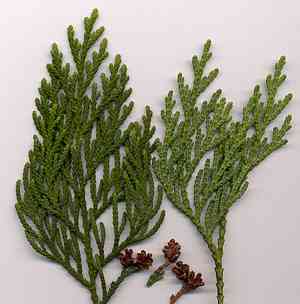
Japanese thuja (Thuja standishii)
Also known as: Japanese thuja, Asunaro
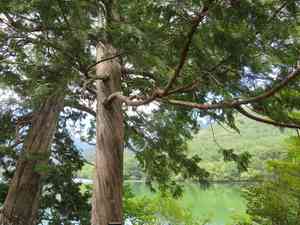
This medium-sized tree typically grows between 20 to 35 meters in height and has a trunk diameter of up to 1 meter. Its foliage is characterized by flat sprays of scale-like leaves, measuring 2 to 4 mm in length. The leaves are matte green on the upper surface and feature narrow white stomatal bands on the underside. The cones are oval-shaped, initially yellow-green and turn red-brown upon ripening. They measure 6 to 12 mm in length and 4 to 5 mm in width when closed, expanding to about 8 mm wide when open, and have 6 to 10 overlapping scales.
In This Article
Attributes of Japanese thuja
Lifespan
Perennial
Plant Type
Tree
Plant Height
6 m to 9 m
Spread
3 m
Leaf Color
Green
Flower Size
4 mm to 8 mm
Flower Color
Not applicable
Images of Japanese thuja
Quickly Identify Japanese thuja
1
Thuja standishii can be identified by its reddish-brown bark, which peels off in narrow strips, and its scale-like, flattened leaves that grow in overlapping pairs along the stem. The foliage often has a distinctive scent when crushed.
Scientific Classification of Japanese thuja
Phylum
Vascular plants
Class
Conifers
Order
Pines and allies
Family
Cypress
Genus
Arborvitaes
Species
Japanese thuja
Planting and Growing of Japanese thuja
Care Difficulty
Easy
Watering Schedule
Every 2 days
Sunlight Requirements
Full sun
Sunshine Duration
4-8 hours
Ideal Temperature
60-75℉
Soil Type
Potting Mix, Peat Mix
Soil pH
5.5-7.5
Fertilizer Type
Balanced
Pruning Season
Spring, Summer
Pruning Area
Branches, Leaves
Pruning Frequency
2 times a year
Repotting Season
Spring
Pot Type
Plastic, Ceramic
 How to Water Japanese thuja?
The ideal amount of water for Thuja standishii is around 500 ml per session. It's essential to ensure the soil is evenly moist but not waterlogged. The roots should receive enough water to encourage healthy growth, while excess water drains away.
What are the symptoms of an underwatered Japanese thuja?
›
What should I do if my Japanese thuja is not getting enough water?
›
What are the symptoms of an overwatered Japanese thuja?
›
How to save an overwatered Japanese thuja?
›
 What Are the Sunlight Requirements for Japanese thuja?
For optimal health, Thuja standishii benefits from a balance of full and partial sun exposure. This range supports vigorous growth, rich foliage color, and overall resilience, enhancing its aesthetic value while ensuring robust health.
More About Sunlight Requirements Techniques→
Identifying Ideal Conditions
›
Solutions for Ideal Light
›
Benefits of Proper Lighting
›
 What Is the Ideal Temperature Range for Japanese thuja?
The ideal temperature range for growing Thuja standishii is between 60°F and 75°F. This temperature range allows the plant to thrive, optimizing its growth and development. Consistently maintaining these temperatures promotes healthy foliage and root system establishment.
 What Soil is Best for Japanese thuja?
Thuja standishii requires soil that drains well to prevent waterlogging which can lead to root rot. Well-draining soil ensures that the roots get enough oxygen and enhances plants' overall health. This plant thrives in soil enriched with organic matter. Such soil supports beneficial microorganisms, which help in nutrient uptake, allowing the plant to grow vigorously and maintain its vibrant green color. Thuja standishii prefers soil that remains consistently moist without being oversaturated. This kind of moisture balance provides the necessary hydration to the plant without causing stress or disease issues associated with excessive wetness.
 How to Fertilize Japanese thuja?
Thuja standishii doesn't demand a high quantity of fertilizer. Generally, a light application of 1/2 cup of well-balanced, slow-release granular fertilizer per plant is sufficient during the growing season.
 How to Prune Japanese thuja?
Avoid pruning in extreme weather conditions, such as during frost or periods of high heat, as this can damage new growth. Timing your pruning for mild weather days ensures better recovery for the plant. While it's beneficial to manage growth, excessive pruning can lead to sparse foliage and stress the plant, making it vulnerable to pests and diseases. Observe the tree's response and adjust as needed. After pruning, monitor the plant for new growth and any signs of stress. Providing adequate water and nutrients during the recovery period will encourage healthy and robust new development.
More About Pruning Techniques→
 How to Propagate Japanese thuja plant?
1
Soak the seeds in water for 24 hours to improve germination rates. This helps to soften the seed coat, making it easier for the seed to sprout.
2
Select a healthy branch and cut a 6-8 inch section. Remove the lower leaves to expose the nodes where roots will form.
3
Insert the cut end of the cutting into a pot filled with a mix of sand and peat. Ensure that at least two nodes are buried to promote rooting.
 How to Repot Japanese thuja plant?
1
Look for signs such as roots growing out of drainage holes, soil drying out faster than usual, or a noticeably stunted growth. These indicate your Thuja standishii has outgrown its pot and needs room to spread its roots. Ideally, repot in early spring or early autumn when the plant's growth is in a slower phase.
2
Select a pot that is one size larger in diameter than the current one, ensuring that it has good drainage holes. This allows for adequate space for root expansion and prevents waterlogging, both essential for robust plant health. A pot made from clay or ceramic is beneficial as it offers stability and breathability while helping prevent overheating in direct sunlight.
3
Opt for a well-draining loamy mix enhanced with organic materials like pine bark or perlite. This composition provides essential nutrients while preventing root rot by allowing excess moisture to disperse efficiently. Such a customized soil mix is crucial to replicating the Thuja's natural habitat, ensuring a healthy growth environment.



