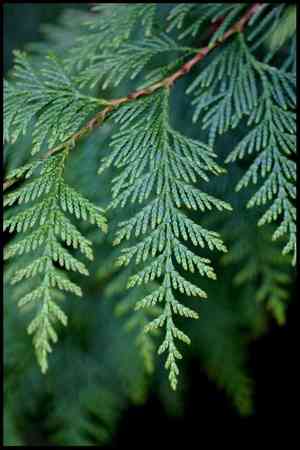
Arborvitae (Thuja occidentalis)
Also known as: Tree of life, White-cedar
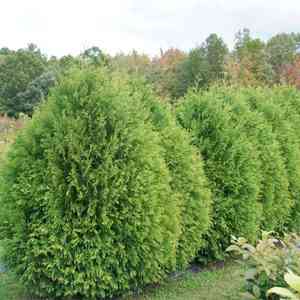
Northern white cedar (Thuja occidentalis) is a small- to medium-sized evergreen conifer native to North America, thriving in diverse habitats like forested wetlands and cliff sides. Its essential oils are valued in aromatherapy and natural insect repellents. Widely used in landscaping, it serves as an excellent choice for hedges, windbreaks, and ornamental purposes. With growing interest in its landscaping potential, smaller, compact varieties have been developed to suit various garden sizes and designs.
Attributes of Arborvitae
Images of Arborvitae
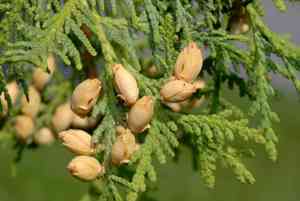
Quickly Identify Arborvitae
Scientific Classification of Arborvitae
Planting and Growing of Arborvitae
 How to Water Arborvitae?
 What Are the Sunlight Requirements for Arborvitae?
 What Is the Ideal Temperature Range for Arborvitae?
 What Soil is Best for Arborvitae?
 How to Fertilize Arborvitae?
 How to Prune Arborvitae?
 How to Propagate Arborvitae plant?
 How to Repot Arborvitae plant?
Toxicity of Arborvitae
Is Arborvitae toxic to cat?
Arborvitae presents a moderate toxicity risk to cats, creating potential health issues if any portion of the plant is ingested. Consumption may result in observable signs of physical discomfort or distress in felines. It is crucial to observe for any unusual behaviors and symptoms that may indicate pain or illness following exposure. Prompt veterinary intervention is essential for the animal's welfare after ingestion. While the specific toxic compounds in arborvitae are not identified, the whole plant is toxic and poses threats to cats.
Is Arborvitae toxic to dog?
Arborvitae presents a moderate toxicity threat to dogs. Consuming any portion of this plant can result in poisoning. Dogs are at risk of toxicity from eating any plant part, as all sections are deemed harmful. Symptoms of poisoning in dogs may manifest as vomiting, diarrhea, abdominal discomfort, and excessive salivation. In severe instances, ingestion could lead to more critical health issues such as muscle weakness or seizures. It is essential for dog owners to keep their pets away from arborvitae and to diligently observe them if they are in close proximity to the plant. If there's a suspicion of arborvitae poisoning in a dog, it is vital to seek immediate veterinary attention to secure the best possible prognosis for the animal.



