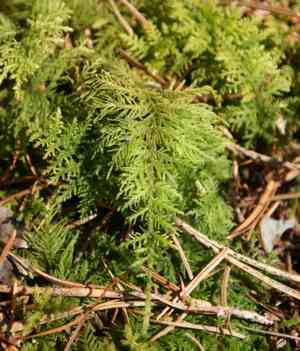
Tamarisk thuidium moss (Thuidium tamariscinum)
Also known as: Common Tamarisk Feather-moss, Tamarisk-moss
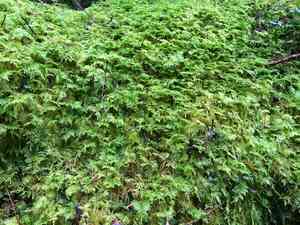
Tamarisk thuidium moss, with its delicate, fern-like fronds, enhances the visual appeal of forest and woodland environments. Moss enthusiasts appreciate its unique texture and intricate structure, which often includes numerous flask-shaped capsules. Beyond its aesthetic charm, this moss has a history of use in traditional medicine across various cultures.
In This Article
Attributes of Tamarisk thuidium moss
Lifespan
Perennial
Plant Height
5-20 cm
Spread
Not applicable
Leaf Color
Green to yellow-green
Flower Size
Not applicable
Flower Color
Not applicable
Images of Tamarisk thuidium moss
Quickly Identify Tamarisk thuidium moss
1
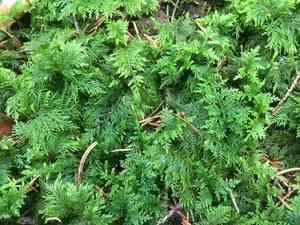
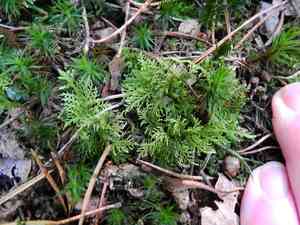
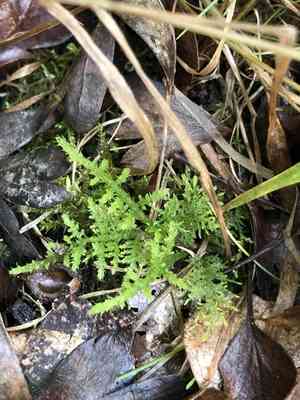
Thuidium tamariscinum can be identified by its distinctive feathery, tripinnate leaves that give it a fern-like appearance. The leaves are arranged along a central stem, creating a fan-like structure.
Scientific Classification of Tamarisk thuidium moss
Phylum
Bryophyta
Class
Bryopsida
Order
Hypnales
Family
Thuidiaceae
Genus
Thuidium
Planting and Growing of Tamarisk thuidium moss
Care Difficulty
Moderate
Watering Schedule
Every 2 days
Sunlight Requirements
Partial sun
Sunshine Duration
6-10 hours
Ideal Temperature
50-68℉
Soil Type
Potting Mix, Peat Mix
Soil pH
5.5-7
Fertilizer Type
Balanced
Pruning Season
Spring, Summer
Pruning Area
Branches, Leaves
Pruning Frequency
2 times a year
Repotting Season
Spring
Pot Type
Plastic, Ceramic
 How to Water Tamarisk thuidium moss?
For Thuidium tamariscinum, the watering amount should be just enough to keep the soil moderately moist, about 150 ml per session. The goal is to maintain a balance, ensuring the soil is never completely dry nor overly saturated, achieving a consistency akin to a wrung-out sponge.
What are the symptoms of an underwatered Tamarisk thuidium moss?
›
What should I do if my Tamarisk thuidium moss is not getting enough water?
›
What are the symptoms of an overwatered Tamarisk thuidium moss?
›
How to save an overwatered Tamarisk thuidium moss?
›
 What Are the Sunlight Requirements for Tamarisk thuidium moss?
The ideal light range for Thuidium tamariscinum is partial sunlight with breaks of full shade throughout the day. This balance supports vibrant growth.
What is the best lighting position?
›
How to achieve ideal lighting?
›
What benefits does ideal lighting provide?
›
 What Is the Ideal Temperature Range for Tamarisk thuidium moss?
The ideal temperature range for Thuidium tamariscinum is between 50°F and 68°F. This range ensures optimal growth and mimics the plant's natural environment. Maintaining these temperatures will result in healthy development and robust foliage.
 What Soil is Best for Tamarisk thuidium moss?
Thuidium tamariscinum thrives in moisture-retentive soil that mimics its natural habitat found on forest floors. The ability of the soil to hold moisture ensures that the plant receives consistent hydration, promoting lush, green growth and minimizing the stress of drought conditions. The plant prefers soil enriched with natural organic matter, providing essential nutrients that enhance its growth. This soil requirement ensures the moss retains its vibrant color and maintains its resilience, thanks to the continuous nutrient supply. While Thuidium tamariscinum enjoys moisture, it still requires well-drained soil to prevent waterlogging. Ensuring the roots aren't submerged for extended periods wards off root rot, thus maintaining healthy plant development and longevity.
 How to Fertilize Tamarisk thuidium moss?
For Thuidium tamariscinum, the right amount of fertilizer is crucial to ensure its healthy growth. Use a diluted liquid fertilizer with half the strength of the standard recommendation on the packaging. A quarter teaspoon per liter of water generally suffices. For slow-release granules, a light sprinkle over the soil, equating to about 1-2 grams, offers balanced nutrition without overwhelming the plant.
 How to Prune Tamarisk thuidium moss?
Begin by carefully inspecting the plant for any dead or damaged sections. These areas typically appear brown or black and should be removed promptly to promote healthy growth. Thuidium tamariscinum can grow densely, so trimming back overgrown sections is necessary to allow light and air to reach all parts of the plant. This helps maintain lush, green growth.
More About Pruning Techniques→
 How to Propagate Tamarisk thuidium moss plant?
1
Water the parent plant thoroughly a day before propagation to ease division processes and minimize stress on the plant.
2
Carefully remove the plant from the soil with a trowel, then use a sharp knife to separate it into smaller sections. Each section should have a healthy amount of roots.
3
Replant each divided section into a pot with suitable soil or back into the ground, ensuring they receive adequate moisture and shade until established.
 How to Repot Tamarisk thuidium moss plant?
1
Thuidium tamariscinum should be repotted when its growth slows down, roots start filling the pot, or when the soil appears depleted. Typical signs include roots growing out of drainage holes and the plant drying out faster than usual.
2
Select a pot that is 2-3 inches larger in diameter than the current pot. It's important to use a container with adequate drainage holes to prevent waterlogging. This ensures the roots have enough space to grow without becoming waterlogged, reducing the risk of root rot.
3
Opt for a soil mix that retains moisture yet drains well, such as a blend of peat moss, pine bark, and perlite. This combination provides a balance of air circulation and moisture retention, which is essential for the healthy growth of Thuidium tamariscinum.


