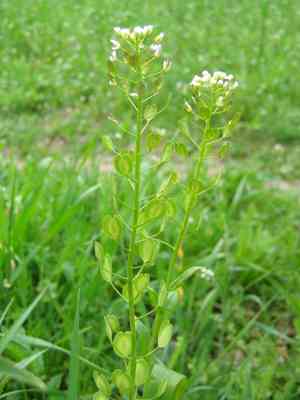
Pennycresses (Thlaspi) (Thlaspi)
Also known as: Pennycress
Pennycresses comprise a small group of flowering plants within the mustard family. Though they are not of particular culinary or ornamental significance, pennycresses are nonetheless useful. Most species within the genus are able to grow in soils with very high concentrations of toxic metals such as zinc and cadmium, meaning they can be used to help rehabilitate polluted soil and groundwater through a process called "phytoremediation."
In This Article
Attributes of Pennycresses (Thlaspi)
Lifespan
Biennial
Plant Height
10-50 cm
Spread
N/A
Leaf Color
Green
Flower Size
0.3-0.5 cm
Flower Color
White
Images of Pennycresses (Thlaspi)
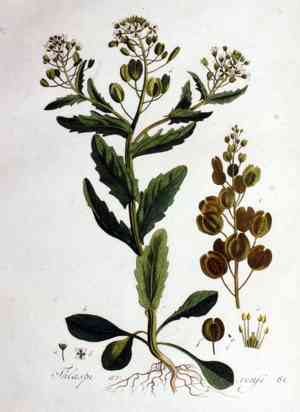
Quickly Identify Pennycresses (Thlaspi)
1
Thlaspi can be identified by its small, white flowers arranged in dense clusters and its flat, round seed pods that resemble coins.
Scientific Classification of Pennycresses (Thlaspi)
Phylum
Magnoliophyta
Class
Magnoliopsida
Order
Brassicales
Family
Brassicaceae
Genus
Thlaspi
Planting and Growing of Pennycresses (Thlaspi)
Care Difficulty
Easy
Watering Schedule
Every 2 days
Sunlight Requirements
Partial sun
Sunshine Duration
4-6 hours
Ideal Temperature
60-70℉
Soil Type
Potting Mix, Peat Mix
Soil pH
6.5-7.5
Fertilizer Type
Balanced
Pruning Season
Spring, Summer
Pruning Area
Branches, Leaves
Pruning Frequency
2 times a year
Repotting Season
Spring
Pot Type
Plastic, Ceramic
 How to Water Pennycresses (Thlaspi)?
For Thlaspi, the recommended watering amount is around 200 milliliters per session. This ensures the soil receives adequate moisture without becoming waterlogged. Ensure the water reaches a depth of about two inches in the soil to guarantee that the roots can absorb the necessary hydration.
What are the symptoms of an underwatered Pennycresses (Thlaspi)?
›
What should I do if my Pennycresses (Thlaspi) is not getting enough water?
›
What are the symptoms of an overwatered Pennycresses (Thlaspi)?
›
How to save an overwatered Pennycresses (Thlaspi)?
›
 What Are the Sunlight Requirements for Pennycresses (Thlaspi)?
Thlaspi thrives best in partial sun, ensuring it receives about 3-6 hours of light daily. This light condition supports steady growth, vibrant colors in leaves, and overall plant vitality by providing ample energy for photosynthesis without overexposure.
How much sunlight does Thlaspi need?
›
Why is this balance important?
›
How can you achieve these lighting conditions?
›
 What Is the Ideal Temperature Range for Pennycresses (Thlaspi)?
For Thlaspi species, maintaining an ideal temperature range between 60°F to 70°F fosters robust growth and health. These temperatures mimic their natural habitat, ensuring that metabolic processes occur efficiently, leading to optimal physiological and biochemical functions.
 What Soil is Best for Pennycresses (Thlaspi)?
Thlaspi thrives in well-draining soil, which prevents water from pooling around the roots. This is crucial to avoid root rot, ensuring healthy growth and a robust plant structure. Rich in organic material, loamy soil meets the nutritional needs of Thlaspi, promoting lush growth. A balanced supply of nutrients supports its foliage and flowering potential. Thlaspi prefers soil that retains some moisture but is not overly wet. Adequate water absorption is essential for nutrient uptake, maintaining vibrant and active growth cycles.
 How to Fertilize Pennycresses (Thlaspi)?
The recommended amount of fertilizer for Thlaspi should be moderate, as over-fertilization can lead to excessive leaf growth and poor flowering. Typically, for liquid fertilizers, use a solution diluted to half-strength every two weeks during the growing season. For slow-release granular fertilizer, apply approximately 1/4 cup per plant annually.
 How to Prune Pennycresses (Thlaspi)?
Start with a pair of sharp, clean scissors or pruning shears to avoid damaging the plant. Make clean cuts to prevent infection, and always sterilize your tools before and after use to maintain plant health. Thlaspi plants typically have stems that may appear leggy or discolored over time. Focus on removing these undesirable stems by cutting back to a healthy point on the plant. Look for sections that are dry or underperforming. Make cuts at a slight angle just above a leaf node. This encourages new growth from the node and prevents water from collecting on the cut surface, reducing the chance of rot.
 How to Propagate Pennycresses (Thlaspi) plant?
1
Fill the seed tray with a good-quality potting mix, leaving about a centimeter of space at the top. Moisten the soil lightly before sowing the seeds to ensure they have immediate access to moisture.
2
Sprinkle the Thlaspi seeds evenly over the surface of the soil in the tray. Cover them with a thin layer of soil or vermiculite to allow for light exposure, which aids in germination.
3
Water the seeds gently to avoid displacing them. Keep the soil consistently moist but not waterlogged. Place the tray in a warm area with indirect sunlight to promote germination.
 How to Repot Pennycresses (Thlaspi) plant?
1
Thlaspi should be repotted when you notice root circling the pot's base, or growth has considerably slowed. Spring is ideal as the plant is actively growing, making it easier to recover from transplantation.
2
Select a pot that is 2 inches larger in diameter than the current one with adequate drainage holes. This prevents waterlogging and encourages root growth, providing necessary space for your Thlaspi to expand.
3
Opt for a well-draining loamy mix. Such soil ensures that water does not stagnate around the roots, thereby reducing the risk of root rot and promoting optimal aeration which is crucial for Thlaspi.

