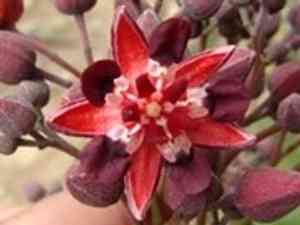
Theobroma (Theobroma) (Theobroma)
Also known as: Cacao tree, Chocolate tree
The name "Theobroma" comes from the Greek words "theos," meaning "god," and "broma," meaning "food," translating to "food of the gods." Theobroma cacao, a notable species in this genus, is used to produce cocoa and chocolate. Cacao beans undergo fermentation, drying, roasting, and processing to create cocoa powder, cocoa butter, and various chocolate products. Other species in the genus also produce edible fruits and seeds. Theobroma plants thrive in tropical climates.
In This Article
Attributes of Theobroma (Theobroma)
Lifespan
Perennial
Plant Height
4 to 8 meters (13 to 26 feet)
Spread
Approximately 3 to 5 meters (10 to 16 feet)
Leaf Color
Dark green
Flower Size
Less than 1 centimeter (around 0.4 inches)
Flower Color
Pink or white
Images of Theobroma (Theobroma)
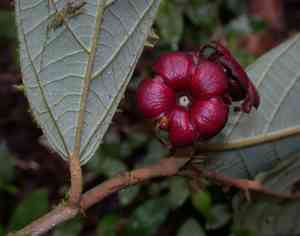
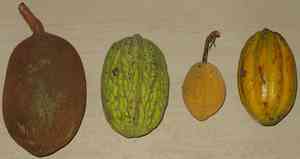
Quickly Identify Theobroma (Theobroma)
1
The cacao tree can be identified by its smooth, grey bark, elongated leaves that are glossy and dark green, and its small, pink or white flowers that grow directly on the trunk and larger branches. The fruit pods are oval and can vary in color from green to yellow to red, depending on the variety and ripeness.
Scientific Classification of Theobroma (Theobroma)
Phylum
Magnoliophyta
Class
Magnoliopsida
Order
Malvales
Family
Malvaceae
Genus
Theobroma
Planting and Growing of Theobroma (Theobroma)
Care Difficulty
Moderate
Watering Schedule
Every 3 days
Sunlight Requirements
Partial sun
Sunshine Duration
6-10 hours
Ideal Temperature
77-86℉
Soil Type
Potting Mix, Peat Mix
Soil pH
6.5-7.5
Fertilizer Type
Balanced
Pruning Season
Spring, Summer
Pruning Area
Branches, Leaves
Pruning Frequency
2 times a year
Repotting Season
Spring
Pot Type
Ceramic, Plastic
 How to Water Theobroma (Theobroma)?
Theobroma plants require a consistent supply of water, generally about 250 milliliters per watering, ensuring the soil is moist but not waterlogged. It's crucial to gauge the soil's moisture content before watering, aiming for it to feel damp to the touch after watering.
What are the symptoms of an underwatered Theobroma (Theobroma)?
›
What should I do if my Theobroma (Theobroma) is not getting enough water?
›
What are the symptoms of an overwatered Theobroma (Theobroma)?
›
How to save an overwatered Theobroma (Theobroma)?
›
 What Are the Sunlight Requirements for Theobroma (Theobroma)?
Theobroma benefits most from partial sun, where it gets 4 to 6 hours of dappled light. Adequate light promotes photosynthesis, ensuring healthy plant growth and optimal fruit production.
How much light does Theobroma need?
›
What position is ideal?
›
How to achieve ideal light conditions?
›
 What Is the Ideal Temperature Range for Theobroma (Theobroma)?
The ideal temperature range for Theobroma, commonly known for cocoa production, is between 77°F and 86°F. This range ensures optimal growth, as it replicates the native tropical environment these plants thrive in. Maintaining temperatures within this range supports healthy development in foliage and seeds. Deviations may slow growth or cause stress.
 What Soil is Best for Theobroma (Theobroma)?
Theobroma plants thrive in nutrient-rich soils which supplement their growth and productivity. Such soils naturally provide essential nutrients required for vigorous growth and potent flavor in the plant's products. Well-draining soils prevent the roots of Theobroma from sitting in water, thus reducing the risk of root rot. This drainage is crucial for healthy root systems and overall plant vigor. Theobroma requires moisture-retentive soil that remains aerated. This balance keeps roots hydrated without suffocation, thereby promoting strong, resilient growth and the production of high-quality fruit.
 How to Fertilize Theobroma (Theobroma)?
For Theobroma plants, use approximately 1 tablespoon of balanced 10-10-10 NPK liquid fertilizer per gallon of water during the growing season. Make sure the concentration is not too strong to avoid root damage.
 How to Prune Theobroma (Theobroma)?
Before you start pruning, thoroughly inspect the Theobroma plant to understand its current structure. Look for any dead or diseased branches that may need immediate removal. This ensures you have a clear plan of action. Begin by removing any dead or diseased branches. Use sterilized, sharp pruning shears and cut back to healthy tissue. This helps prevent the spread of disease and keeps the plant healthy. Trim the plant to maintain a balanced canopy. Aim to create an open structure that allows sunlight to penetrate and air to circulate freely. This involves cutting back overcrowded or overlapping branches. If necessary, reduce the plant's height and spread for better management and to encourage fruiting. Trim branches selectively to keep the size in check, ensuring the trim is at a slight angle to promote water runoff.
 How to Propagate Theobroma (Theobroma) plant?
1
Start with viable seeds obtained from a reputable source or from a mature Theobroma fruit. Soak the seeds in warm water for 24 hours to soften the seed coat, which aids in faster germination by allowing moisture to penetrate the inner seed.
2
Fill germination trays with a well-draining seed-starting mix. Plant the seeds about an inch deep in the prepared soil. Keep the soil consistently moist but not waterlogged to prevent fungal diseases, while ensuring the trays are kept in a warm location.
3
Select healthy rootstock and scion for grafting. Make a precise cut on both parts using a grafting knife. Join the scion and rootstock securely, ensuring that the cambium layers are aligned. Secure with grafting tape and keep the grafted plant in a controlled environment.
 How to Repot Theobroma (Theobroma) plant?
1
Repot Theobroma plants when you notice roots growing through the drainage holes or if the plant shows reduced growth. The best time for repotting is during the spring or autumn when the plant is less stressed, ensuring it can establish itself in its new environment more effectively.
2
Choose a pot that is only slightly larger than the previous one. A pot that is too large can hold excess moisture, leading to root rot. Using a pot with drainage holes is crucial, as it prevents waterlogging and provides optimal conditions for root development.
3
Select a rich and well-draining soil mix that simulates its natural rainforest environment. Soil with the right nutrients and aeration promotes vigorous growth and helps prevent root rot. Adding organic matter can enhance soil fertility.
Toxicity
Ingestion
WARNING
The judgment on toxicity and danger is for reference only. We DO NOT GUARANTEE any accuracy of such judgment. Therefore, you SHALL NOT rely on such judgment. It is IMPORTANT TO SEEK PROFESSIONAL ADVICE in advance when necessary.
Learn More About Theobroma (Theobroma) Diseases
Anthracnose
Bacterial Leaf Spot
Bacterial Soft Rot
Bacterial Wilt
Chemical Injury
Crown Gall
Damping-off
Drought Stress
Fusarium Wilt
Gray Mold
Leaf Spot
Mosaic
Nutrient Deficiency
Nutrient Toxicity
Powdery Mildew
Root Rot
Root-knot Nematode
Rusts
Sooty Mold
Spider Mites
Temperature Stress
Thrips Damage
White Mold

