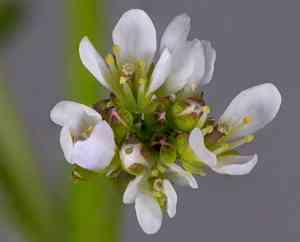
Crisped thelypody (Thelypodium crispum)
Also known as: Crisped Thelypody
The Alpine Avens (Geum rossii) is a hardy perennial plant recognized for its clusters of crinkled, pale yellow flowers that bloom along upright, slender stems. This resilient plant is well-adapted to high-elevation environments with rocky soils. Its foliage consists of elongated, slightly toothed leaves, adding to its delicate yet sturdy appearance.
In This Article
Attributes of Crisped thelypody
Lifespan
Annual
Plant Type
Herb
Plant Height
Up to 1 meter
Spread
Not applicable as it is a herbaceous plant
Leaf Color
Green
Flower Size
Approximately 0.5 to 1 cm
Flower Color
White to pale purple
Images of Crisped thelypody
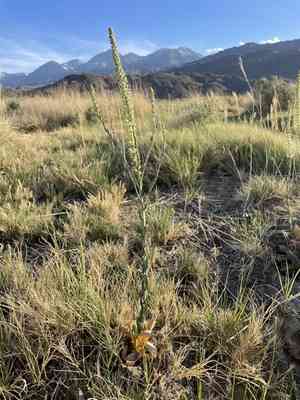
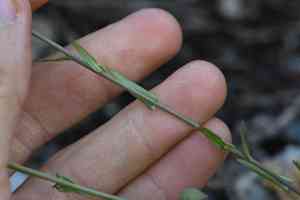
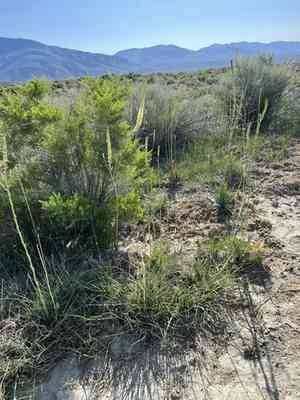
Quickly Identify Crisped thelypody
1
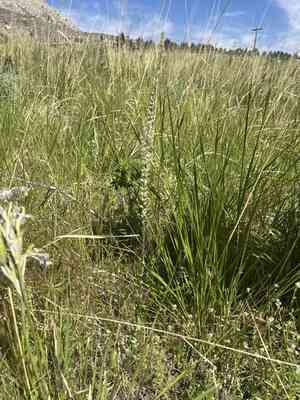
This plant can be identified by its tall, slender stems and racemes of small, white to pale purple flowers. The leaves are lance-shaped and may have a crisped or wavy margin.
Scientific Classification of Crisped thelypody
Phylum
Vascular plants
Class
Dicotyledons
Order
Brassicales
Family
Cruciferae
Genus
Thelypody
Species
Crisped thelypody
Planting and Growing of Crisped thelypody
Care Difficulty
Hard
Watering Schedule
Every 3 days
Sunlight Requirements
Full sun
Sunshine Duration
6-10 hours
Ideal Temperature
60-75℉
Soil Type
Potting Mix, Peat Mix
Soil pH
6.5-7.5
Fertilizer Type
Balanced
Pruning Season
Spring, Summer
Pruning Area
Branches, Leaves
Pruning Frequency
2 times a year
Repotting Season
Spring
Pot Type
Plastic, Terracotta
 How to Water Crisped thelypody?
For Thelypodium crispum, it's best to water with approximately 250 ml per session. This amount ensures that the plant's soil is moist without becoming waterlogged. Aim to water until the soil feels evenly moist, but be sure the water has fully permeated through the soil, reaching the plant's root system.
What are the symptoms of an underwatered Crisped thelypody?
›
What should I do if my Crisped thelypody is not getting enough water?
›
What are the symptoms of an overwatered Crisped thelypody?
›
How to save an overwatered Crisped thelypody?
›
 What Are the Sunlight Requirements for Crisped thelypody?
Thelypodium crispum ideally needs 6 to 8 hours of sunlight, leaning towards full sun. Proper light exposure ensures vigorous growth and healthful foliage, enhancing its ornamental appeal and resilience.
What type of light does it prefer?
›
How to achieve ideal lighting conditions?
›
What are the benefits of adequate light?
›
 What Is the Ideal Temperature Range for Crisped thelypody?
The ideal temperature range for Thelypodium crispum cultivation is between 60°F and 75°F. This range supports optimal growth processes and ensures that the plant receives adequate thermal energy for photosynthesis and respiration, without the risk of heat stress or cold-induced damage.
 What Soil is Best for Crisped thelypody?
Thelypodium crispum thrives in soils with excellent drainage. Without proper drainage, the roots may become waterlogged, leading to root rot, which can be detrimental to the plant. Ensuring good drainage helps the plant uptake necessary nutrients without the risk of water stress. This plant prefers nutrient-rich soils that can support its growth and flowering. It benefits from the addition of organic matter such as compost, providing a steady release of nutrients as it decomposes, leading to lusher foliage and vibrant blooms. While Thelypodium crispum is tolerant to dry conditions, moderate soil moisture improves its health and vigor. Keeping the soil consistently moist but not soggy during dry spells ensures continued growth and prevents wilting.
 How to Fertilize Crisped thelypody?
For Thelypodium crispum, it's important to provide balanced nutrition. Use a dilute solution of liquid fertilizer, ensuring the concentration does not exceed a quarter strength to avoid any potential root damage.
 How to Prune Crisped thelypody?
Begin by identifying and cutting away any dead or diseased stems first. Next, trim back any overly leggy or straggly growth to encourage bushiness. Always make cuts about a quarter inch above a leaf node to ensure optimal regrowth. Remove any spent flowers to promote more blooms. Lastly, shape the plant as needed, maintaining an open center to improve air flow.
More About Pruning Techniques→
 How to Propagate Crisped thelypody plant?
1
Collect mature seeds from the plants when they are fully developed. Ensure seeds are dry before storage to prevent mold and support viable germination.
2
Use pruning shears to take a cutting of about 10 cm from a healthy, non-flowering stem. Remove lower leaves to reduce moisture loss before planting.
3
Prepare well-draining soil, ideally a mix of sand and potting compost. Lightly moisten the soil to provide adequate hydration without waterlogging.
 How to Repot Crisped thelypody plant?
1
Observe Thelypodium crispum for signs like roots protruding from the drainage holes, stunted growth, or yellowing leaves. These signals indicate it’s time to repot. Ideally, plan to repot during active growth in spring or early summer for optimal recovery.
2
Select a pot that's just one size larger than the current one. Ensure it has drainage holes to prevent waterlogging. Choosing the right size helps provide adequate space for growth without overwhelming the root system.
3
Opt for a well-draining, sandy loam mix. The right soil is crucial as it prevents root rot by allowing excess water to escape, while also providing necessary aeration and nutrients tailored to Thelypodium crispum's needs.
Learn More About Crisped thelypody Diseases
Bacterial Leaf Spot
Bacterial Soft Rot
Clubroot
Crown Gall
Cyst Nematode
Damping-off
Downy Mildew
Drought Stress
Fusarium Wilt
Gray Mold
Leaf Spot
Mosaic
Nutrient Deficiency
Nutrient Toxicity
Powdery Mildew
Root Rot
Root-knot Nematode
Rusts
Sooty Mold
Spider Mites
Temperature Stress
Thrips Damage
White Mold


